January 2026 in “Aging and Disease” DKK proteins could help diagnose and treat various non-cancerous diseases.
2 citations
,
September 2024 in “Animals” Key genes influence melanin in chicken muscles, affecting their value.
10 citations
,
August 2023 in “The EMBO Journal” Kdm6b is crucial for skin cell differentiation.
September 2012 in “대한피부과학회지” Desmocollin 1 helps maintain skin structure during fetal development.
37 citations
,
June 2000 in “Experimental dermatology” The Lanceolate hair-J mutation in mice mimics human hair disorders like Netherton's syndrome.
March 2025 in “International Journal of Molecular Sciences” PLIN2 affects hair growth in cashmere goats, potentially improving cashmere quality.
 November 2022 in “The journal of investigative dermatology/Journal of investigative dermatology”
 A patient with a new PLEC gene mutation showed symptoms of both muscular dystrophy and myasthenia gravis, which improved with steroid treatment.
January 1999 in “Journal of Investigative Dermatology” July 2025 in “Actas Dermo-Sifiliográficas” Trichodynia is a challenging scalp condition to treat, needing gentle care and more research for better solutions.
July 2023 in “AESTHETIC OROFACIAL SCIENCE” PDO threads improve skin firmness and elasticity with minimal recovery time.
Hair dysplasias involve various hair disorders causing fragility, breakage, and poor hair adhesion.
 82 citations
,
January 2000 in “Hormone Research in Paediatrics”
82 citations
,
January 2000 in “Hormone Research in Paediatrics” DHEA stimulates skin oil glands and could help postmenopausal women, with potential for acne and excessive hair growth treatments.
 November 2023 in “Frontiers in veterinary science”
 The study provides insights into hair growth mechanisms in yaks.
 October 2021 in “Journal of Investigative Dermatology”
 Dkk4 protein is necessary for the proper development and arrangement of hair follicles.
44 citations
,
October 1990 in “Archives of Dermatological Research” The connective tissue around hair follicles changes structure throughout the hair cycle.
61 citations
,
February 1982 in “Cell and Tissue Research” 13 citations
,
November 2007 in “Journal of Structural Biology” Keratin heterodimers are preferred for their specific and structural advantages.
22 citations
,
September 1982 in “Journal of ultrastructure research” Wool follicle cells are more complex than previously thought.
 6 citations
,
August 2012 in “The Journal of Pediatrics”
6 citations
,
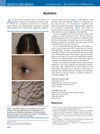
August 2012 in “The Journal of Pediatrics” A 12-year-old girl was diagnosed with monilethrix, a genetic condition causing fragile, beaded hair that breaks easily, with no effective treatment available.
 74 citations
,
July 2008 in “Journal of Dermatological Case Reports”
74 citations
,
July 2008 in “Journal of Dermatological Case Reports” Trichoscopy is a quick and easy way to diagnose most genetic hair problems without invasive methods.
Dexmedetomidine-loaded microneedles effectively reduce pain without sedation.
3 citations
,
July 2019 in “Fibers And Polymers/Fibers and polymers” 12 citations
,
January 1994 in “PubMed” Elastic fiber arrangement in mammal skin varies by hair density and body region.
5 citations
,
May 2021 in “Small ruminant research” The study found specific proteins that could mark different growth stages of cashmere goat hair and may help improve cashmere production.
87 citations
,
March 2017 in “Journal of Clinical Investigation” PSENEN gene mutations can cause both Dowling-Degos disease and acne inversa.
 November 2022 in “The journal of investigative dermatology/Journal of investigative dermatology”
 The STRIPAK complex is crucial for skin cell organization and creating a functional skin barrier.
January 1996 in “Studia iuridica” Two new gene mutations cause a rare hair disorder.
25 citations
,
November 2015 in “Journal of Dermatological Science” Sebum helps protect human skin from microbes.
The naked mutation in mice causes hair loss and helps identify keratin genes.
 1 citations
,
February 2018 in “Australasian journal of dermatology”
1 citations
,
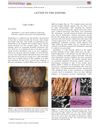
February 2018 in “Australasian journal of dermatology” Advanced imaging techniques are crucial for accurately diagnosing Monilethrix, a rare hair disorder.