 2 citations
,
August 2017 in “British Journal of Dermatology”
2 citations
,
August 2017 in “British Journal of Dermatology” Hair loss in Cronkhite-Canada syndrome may be due to an autoimmune response.
Loose anagen hair syndrome in children may improve with age, but treatment results vary.
 December 2021 in “Molecular genetics and genomics”
 Cats with abnormal hair had DSG4 gene changes causing hair problems.
 12 citations
,
September 2020 in “Journal of cosmetic dermatology”
12 citations
,
September 2020 in “Journal of cosmetic dermatology” Trichoscopy is useful for diagnosing and monitoring alopecia areata treatment.
 November 2022 in “The journal of investigative dermatology/Journal of investigative dermatology”
 TYK2 inhibition may help treat alopecia areata by promoting hair growth and reducing immune response.
 April 2018 in “Radiotherapy and Oncology”
 Prostaglandin helps regenerate hair follicles after radiation damage.
The paper concludes that the patchiness of alopecia areata is likely due to when the immune attack happens in the hair growth cycle.
 33 citations
,
September 2012 in “Australasian Journal of Dermatology”
33 citations
,
September 2012 in “Australasian Journal of Dermatology” Chemotherapy can cause hair changes similar to alopecia areata, which might lead to misdiagnosis.
 4 citations
,
March 2015 in “Skin Research and Technology”
4 citations
,
March 2015 in “Skin Research and Technology” Trichotillometry is a reliable method to measure hair strength and assess hair loss treatments.
 August 2016 in “Journal of Dermatology”
 A chemical called 5-Bromo-2′-deoxyuridine caused rapid hair loss in mice by killing certain skin cells through a specific cell death pathway.
March 2025 in “International Journal of Trichology” Gloriosa superba poisoning can cause sudden hair loss, but hair usually regrows fully.
Trichodysplasia spinulosa can occur after a heart transplant due to immunosuppressive drugs.
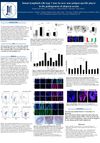
Innate lymphoid cells type 1 may contribute to alopecia areata by damaging hair follicles.
 5 citations
,
June 2019 in “British Journal of Dermatology”
5 citations
,
June 2019 in “British Journal of Dermatology” Tofacitinib was more effective than apremilast in treating hair loss in a mouse model of alopecia areata.

Microneedling with Triamcinolone acetonide is an effective, less invasive, and safe alternative to direct injections for treating alopecia areata.

Activating certain hair follicle cells could prevent hair loss from cancer treatments.
11 citations
,
June 2017 in “Mathematical Medicine and Biology A Journal of the IMA” The model helps understand and improve treatments for alopecia areata by simulating hair growth and immune cell interactions.
 July 2023 in “IntechOpen eBooks”
 New treatments for alopecia areata show promise, but more research is needed to confirm their effectiveness.
 September 2021 in “CRC Press eBooks”
 Alopecia areata incognita causes sudden hair thinning, responds well to steroids, and is more common in those with genetic hair loss conditions.

BMD-1141 effectively regrows hair in alopecia areata with less frequent dosing than current treatments.
130 citations
,
December 1998 in “The journal of investigative dermatology/Journal of investigative dermatology” Hair follicle melanocytes die during hair regression.
40 citations
,
June 2021 in “Clinical, cosmetic and investigational dermatology” JAK inhibitors show promise in effectively treating hair loss from alopecia areata.
12 citations
,
November 2015 in “Journal of Investigative Dermatology Symposium Proceedings” PTH-CBD helps reduce hair loss in mice by stimulating hair growth directly.
April 2023 in “International journal of molecular sciences” People with Collagen VI-related myopathies may often have hair loss and scalp issues.
 35 citations
,
August 2010 in “The American journal of pathology”
35 citations
,
August 2010 in “The American journal of pathology” Researchers created a new mouse model for studying Citrullinemia Type I and similar conditions, showing symptoms and treatment responses like those in humans.
 June 2012 in “Expert Review of Dermatology”
 Japanese researchers created new hair follicles from human cells that grew hair when put into mice, and other findings showed a link between eye disease severity and corneal thickness, gene mutations affecting hearing and touch, and the safety of the shingles vaccine for adults over 50.
 40 citations
,
January 2010 in “International Journal of Trichology”
40 citations
,
January 2010 in “International Journal of Trichology” Loose Anagen Syndrome is a hair condition where hairs can be easily pulled out, mainly affecting young girls, and may improve on its own or with treatment.
 61 citations
,
January 2013 in “Indian Journal of Dermatology, Venereology and Leprology”
61 citations
,
January 2013 in “Indian Journal of Dermatology, Venereology and Leprology” Hair usually grows back 1-3 months after treatment for anagen effluvium, and children with Loose Anagen Hair Syndrome often improve by adolescence.
 55 citations
,
October 1992 in “Archives of Dermatology”
55 citations
,
October 1992 in “Archives of Dermatology” Loose Anagen Hair Syndrome is a hereditary condition causing hair loss in children due to abnormal hair follicles.
 53 citations
,
January 2009 in “Journal of Investigative Dermatology”
53 citations
,
January 2009 in “Journal of Investigative Dermatology” UVB radiation harms hair growth and health, causing cell death and other changes in human hair follicles.