 July 2024 in “Medical alphabet”
 The SBN system effectively assesses alopecia areata severity and predicts its course.
 October 2023 in “Pediatric dermatology”
 Middle Eastern patients with epidermolysis bullosa show specific genetic mutations linked to different types of the disease.
 April 2023 in “Journal of Investigative Dermatology”
 The specific skin disease variant p.(Arg2000Trp) in plectin can cause a wide range of symptoms, which should be considered when diagnosing patients.
February 2023 in “Al-Azhar International Medical Journal /Al-Azhar International Medical Journal” Microneedling with triamcinolone is a safe, effective, and less painful treatment for alopecia areata.

Microneedling with Triamcinolone acetonide is an effective, less invasive, and safe alternative to direct injections for treating alopecia areata.
 January 2023 in “Journal of Cutaneous Pathology”
 The study found certain scalp biopsy features can help tell apart alopecia areata from pattern hair loss even when typical immune cells are not seen.
December 2022 in “The Turkish Journal of Pediatrics” Hair examination helps diagnose rare neurological diseases in children.
 December 2021 in “Journal of The American Academy of Dermatology”
 COVID-19 can cause different types of hair loss, which may last up to 100 days, and treatments are still being explored.
 November 2021 in “International Journal of Research in Dermatology”
 Low iron levels are linked to certain types of hair loss.
 September 2021 in “CRC Press eBooks”
 Alopecia areata incognita causes sudden hair thinning, responds well to steroids, and is more common in those with genetic hair loss conditions.
October 2020 in “Pediatrics in Review” The newborn was diagnosed with a rare skin disorder causing blisters, which requires careful wound care and family support.
May 2020 in “International Journal of Dermatology and Venereology” Calcified epidermal cysts are rare, hard skin nodules that are best treated with surgical removal.
 January 2020 in “Medical journal of clinical trials & case studies”
 A 37-year-old male with severe skin and internal issues has a rare inherited skin condition called dystrophic epidermolysis bullosa.
 October 2019 in “Journal of Evolution of Medical and Dental Sciences”
 A 56-year-old man was diagnosed with Cronkhite-Canada Syndrome after showing symptoms like diarrhea, weight loss, and skin changes.
 June 2019 in “Pediatric Dermatology”
 Alopecia in patients with epidermolysis bullosa varies in severity and is often caused by skin blistering or trauma.
 March 2018 in “Gazi medical journal”
 Adults with Beta Thalassemia Major are more likely to have skin, hair, and nail disorders.
 April 2017 in “Journal of Investigative Dermatology”
 Blood cells turned into stem cells can become skin cells similar to normal ones, potentially helping in skin therapies.
October 2015 in “CRC Press eBooks” Scalp biopsy and digital phototrichogram help diagnose and manage different types of diffuse hair loss.
February 2013 in “Journal of the American Academy of Dermatology” Follicular red dots can appear where alopecia areata and vitiligo overlap.
January 2013 in “Seoul National University Open Repository (Seoul National University)” Epidermal growth factor helps hair regrow after chemotherapy.
The ProScope HR is an effective, user-friendly, and affordable tool for diagnosing hair loss.
 February 2009 in “Journal of The American Academy of Dermatology”
 Yellow dots look different in various hair loss conditions and can help diagnose them.
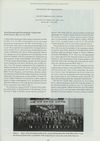 February 1996 in “International Journal of Dermatology”
 The Seoul International Dermatology Symposium was a successful event that highlighted new dermatology treatments and fostered international relations.
January 1996 in “Studia iuridica” Two new gene mutations cause a rare hair disorder.
Nutritional deficiencies can cause hair loss, but it can be reversed with a normal diet and less stress.
 40 citations
,
August 2010 in “Archives of dermatology”
40 citations
,
August 2010 in “Archives of dermatology” A 5-year-old boy's skin condition improved with systemic valganciclovir after a cardiac transplant and immunosuppressive therapy.
36 citations
,
July 1996 in “The journal of investigative dermatology/Journal of investigative dermatology” Mice with the 'lanceolate hair' mutation have abnormal hair and skin similar to human Netherton's syndrome.
 28 citations
,
October 2004 in “Differentiation”
28 citations
,
October 2004 in “Differentiation” A gene deletion causes the "hairless" trait in Iffa Credo rats.
28 citations
,
June 1998 in “Clinical Genetics” Ambras syndrome's genetic cause is unknown, as it isn't linked to androgen levels.
 20 citations
,
December 1997 in “Clinical Endocrinology”
20 citations
,
December 1997 in “Clinical Endocrinology” Spironolactone may help reduce hair loss in androgenic alopecia.