7 citations
,
November 1997 in “Pediatric Dermatology” Trichothiodystrophy can be linked to urologic issues and high calcium in urine.
August 2024 in “American Journal of Medical Genetics Part A” Variants in the CCDC47 gene are linked to trichohepatoneurodevelopmental syndrome.
 July 2022 in “The journal of investigative dermatology/Journal of investigative dermatology”
 The early genes of a specific virus can cause abnormal skin cell growth and hair follicle changes.
SLE patients experience hair loss similar to telogen effluvium, with hair damage and immune activity at hair follicles.
 205 citations
,
April 2013 in “British Journal of Dermatology”
205 citations
,
April 2013 in “British Journal of Dermatology” Platelet-rich plasma treatment significantly increased hair regrowth and decreased discomfort in alopecia patients, making it a potentially better and safer treatment option.
 48 citations
,
May 1999 in “International Journal of Dermatology”
48 citations
,
May 1999 in “International Journal of Dermatology” Alopecia areata is an unpredictable autoimmune hair loss condition, treated based on severity, with half of patients regrowing hair within a year without treatment.
40 citations
,
June 2021 in “Clinical, cosmetic and investigational dermatology” JAK inhibitors show promise in effectively treating hair loss from alopecia areata.
 17 citations
,
June 2017 in “Gene”
17 citations
,
June 2017 in “Gene” A rare genetic mutation found in an Indian family can be detected through prenatal screening.
 14 citations
,
October 2018 in “PloS one”
14 citations
,
October 2018 in “PloS one” Deleting the Far2 gene in mice causes sebaceous gland issues and patchy hair loss.
13 citations
,
July 2016 in “Indian Journal of Dermatology” DPR can show different hair characteristics, as seen in two brothers with normal hair.
12 citations
,
January 2013 in “Indian dermatology online journal” Dermatopathia pigmentosa reticularis causes skin discoloration, hair loss, and nail problems.
8 citations
,
April 2013 in “Der Hautarzt” Children's hair loss differs from adults, with alopecia areata being most common.
 7 citations
,
January 2013 in “Journal of Investigative Dermatology”
7 citations
,
January 2013 in “Journal of Investigative Dermatology” Vitamin A may influence hair loss conditions like alopecia, but more research is needed to understand how.
6 citations
,
November 2018 in “Case reports in nephrology and dialysis” Rituximab may be an effective treatment for Cronkhite-Canada syndrome with kidney disease.
3 citations
,
July 2024 in “Frontiers in Medicine” Mutations in the KLHL24 gene cause a skin disorder in some Russian families.
 2 citations
,
January 2017 in “AIMS cell and tissue engineering”
2 citations
,
January 2017 in “AIMS cell and tissue engineering” Mesenchymal stem cells show promise for treating various skin conditions and may help regenerate hair.
1 citations
,
July 2017 in “PubMed” Two patients with Cronkhite-Canada syndrome achieved remission after treatment.
 January 2026 in “Journal of Clinical and Investigative Dermatology”
 A father and son in Yemen have a genetic condition causing hair loss and nail problems.
November 2025 in “Indian Dermatology Online Journal” Clouston syndrome can lead to skin cancer, so monitoring is crucial.
July 2024 in “Journal of Investigative Dermatology” CRISPR/Cas9 and prime editing can potentially fix skin disorder genes safely and effectively.
 January 2024 in “Case Reports in Dermatological Medicine”
 Baricitinib may effectively treat nail changes in alopecia areata.
 October 2023 in “Case reports in dermatological medicine”
 A Jordanian family with Clouston syndrome has a common GJB6 gene mutation.
 September 2022 in “Frontiers in genetics”
 A Chinese male with a new genetic mutation has a skin condition and severe urinary issues, with treatments having mixed success.
September 2022 in “Indian Journal of Paediatric Dermatology” Clouston syndrome is inherited in an autosomal dominant pattern and caused by a specific gene mutation, with no current treatment available.
 November 2020 in “International journal of contemporary pediatrics”
 Two siblings had a rare immune disorder caused by a FOXN1 gene mutation.
 September 2019 in “Journal of Investigative Dermatology”
 Targeted therapy with Ustekinumab significantly improved a skin condition called ILVEN, which is caused by mutations in the CARD14 gene.
 January 2017 in “IMC Journal of Medical Science”
 A rare endocrine disorder, APS 1, was diagnosed in a 26-year-old man in Bangladesh.
 January 2015 in “Indian Dermatology Online Journal”
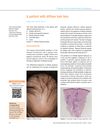
 The patient's hair loss is most likely due to diffuse alopecia areata.
 December 2023 in “Clinical Cosmetic and Investigational Dermatology”
 An 8-year-old Saudi boy was diagnosed with a rare genetic disorder causing hair loss, skin issues, and light sensitivity.
175 citations
,
December 1980 in “Archives of Dermatology” Trichothiodystrophy is a condition with brittle hair and various physical and mental issues due to low sulfur in proteins.