 July 2022 in “The journal of investigative dermatology/Journal of investigative dermatology”
 The early genes of a specific virus can cause abnormal skin cell growth and hair follicle changes.
14 citations
,
March 2014 in “Experimental and Molecular Pathology” Sulfur mustard damages hair follicles and sebaceous glands in mice.
68 citations
,
December 2010 in “The journal of investigative dermatology/Journal of investigative dermatology” HOXC13 is essential for hair and nail development by regulating Foxn1.
February 2023 in “Al-Azhar International Medical Journal /Al-Azhar International Medical Journal” Microneedling with triamcinolone is a safe, effective, and less painful treatment for alopecia areata.

Microneedling with Triamcinolone acetonide is an effective, less invasive, and safe alternative to direct injections for treating alopecia areata.
4 citations
,
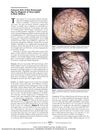
January 2009 in “PubMed” A mutation in the KRT86 gene causes hair fragility in a Turkish family.
 108 citations
,
March 2011 in “Archives of Dermatology”
108 citations
,
March 2011 in “Archives of Dermatology” Corkscrew hair may be a new sign for quickly diagnosing scalp fungus in black children.
 205 citations
,
April 2013 in “British Journal of Dermatology”
205 citations
,
April 2013 in “British Journal of Dermatology” Platelet-rich plasma treatment significantly increased hair regrowth and decreased discomfort in alopecia patients, making it a potentially better and safer treatment option.
ILC1-like cells may contribute to hair loss in alopecia areata.
61 citations
,
September 1994 in “Journal of Medical Genetics” Pachyonychia congenita is linked to a keratin gene on chromosome 17.
ILC1-like cells may contribute to hair loss in alopecia areata and could be new treatment targets.
January 2024 in “Biomedicines” The review shows that skin symptoms like chronic fungal infections, hair loss, and skin depigmentation are key for early detection and management of APECED.
August 2025 in “Dermatopathology” Pilomatricomas are often linked to genetic syndromes, especially Apert syndrome, and genetic analysis is crucial for diagnosis.
 1 citations
,
November 2008 in “Gerontology”
1 citations
,
November 2008 in “Gerontology” Older adults use lifestyle drugs to improve life quality and appearance, but caution is needed due to side effects and potential abuse.
 September 2017 in “Pediatric Dermatology”
 The document concludes that an experimental drug may help wound healing in Epidermolysis Bullosa, links Hydroa vacciniforme to EBV, discusses diagnosing hair loss disorders, finds many children with eczema have allergies, reviews the safety of a skin medication in children, notes side effects of a Duchenne's treatment, and identifies a marker for pediatric mastocytosis.
 27 citations
,
December 2020 in “Experimental Dermatology”
27 citations
,
December 2020 in “Experimental Dermatology” Grey hair and baldness may be linked to COVID-19 severity, but more analysis is needed; post-infectious hair loss is related to the severity of the disease and usually recovers within 3-6 months.
 106 citations
,
June 2005 in “Journal of Investigative Dermatology”
106 citations
,
June 2005 in “Journal of Investigative Dermatology” The document concludes that assessing hair follicle damage due to cyclophosphamide in mice involves analyzing structural changes and suggests a scoring system for standardized evaluation.
 130 citations
,
August 2015 in “Experimental Dermatology”
130 citations
,
August 2015 in “Experimental Dermatology” Human hair follicle organ culture is a useful model for hair research with potential for studying hair biology and testing treatments.
 April 2018 in “The journal of investigative dermatology/Journal of investigative dermatology”
 Electrical epilation damages hair follicles and surrounding skin, likely preventing hair regrowth.
 19 citations
,
November 2001 in “Journal of Investigative Dermatology Symposium Proceedings”
19 citations
,
November 2001 in “Journal of Investigative Dermatology Symposium Proceedings” Human hair follicles can regenerate and recover after severe injury by going through a brief abnormal resting phase before growing again.
 42 citations
,
October 2009 in “The journal of investigative dermatology/Journal of investigative dermatology”
42 citations
,
October 2009 in “The journal of investigative dermatology/Journal of investigative dermatology” Mutations in the KRT85 gene cause hair and nail problems.
69 citations
,
May 1997 in “Veterinary Pathology” The angora mouse mutation causes long hair and hair defects due to a gene deletion.
 36 citations
,
January 2012 in “International Journal of Trichology”
36 citations
,
January 2012 in “International Journal of Trichology” Losing eyelashes or eyebrows can be a sign of many different health problems and needs a careful approach to treat effectively.
 29 citations
,
July 1982 in “British Journal of Dermatology”
29 citations
,
July 1982 in “British Journal of Dermatology” Lithium treatment can cause increased hair shedding and hair loss in patients.
 53 citations
,
January 2009 in “Journal of Investigative Dermatology”
53 citations
,
January 2009 in “Journal of Investigative Dermatology” UVB radiation harms hair growth and health, causing cell death and other changes in human hair follicles.
 8 citations
,
March 2015 in “Neuromuscular Disorders”
8 citations
,
March 2015 in “Neuromuscular Disorders” People with Myotonic Dystrophy type 1 are more likely to have certain skin conditions, but not more likely to get skin cancer.
 19 citations
,
February 2016 in “Journal of The American Academy of Dermatology”
19 citations
,
February 2016 in “Journal of The American Academy of Dermatology” CD3+ T-cell presence is a reliable marker to tell apart alopecia areata from pattern hair loss.
 46 citations
,
January 1996 in “Journal of The American Academy of Dermatology”
46 citations
,
January 1996 in “Journal of The American Academy of Dermatology” People with late-stage HIV-1 often experience a specific type of hair loss linked to multiple factors, including nutritional issues and immune responses.
 212 citations
,
September 2015 in “Journal of Investigative Dermatology”
212 citations
,
September 2015 in “Journal of Investigative Dermatology” The document provides a method to classify human hair growth stages using a model with human scalp on mice, aiming to standardize hair research.
 1 citations
,
January 2013 in “Elsevier eBooks”
1 citations
,
January 2013 in “Elsevier eBooks” The document reviews various hair and nail disorders, their causes, and treatments, emphasizing the need for proper diagnosis and the link between nail changes and systemic diseases.