 17 citations
,
June 1996 in “The Journal of Steroid Biochemistry and Molecular Biology”
17 citations
,
June 1996 in “The Journal of Steroid Biochemistry and Molecular Biology” FCE 28260 is a stronger and longer-lasting inhibitor of 5α-reductase than finasteride, which may make it a better treatment for certain medical conditions.
8 citations
,
April 1997 in “Experimental Dermatology” hHbl gene is active in hair shaft cells and some pilomatricomas.
 4 citations
,
May 2014 in “European Journal of Dermatology”
4 citations
,
May 2014 in “European Journal of Dermatology” Severe hair loss links to metabolic issues in older men with psoriasis.
July 2025 in “Journal of Investigative Dermatology” DACC-based dressings are more effective than silver-based ones for treating chronic wounds with antimicrobial resistance.

Calorie restriction changes the elemental and isotopic makeup of mouse hair and bone.
 56 citations
,
March 2015 in “Journal of Investigative Dermatology”
56 citations
,
March 2015 in “Journal of Investigative Dermatology” Healthy mitochondria in skin cells are essential for proper hair growth and skin cell interaction in mice.
February 2026 in “Journal of the American Academy of Dermatology” Managing skin diseases during pregnancy and postpartum requires careful consideration of treatment safety and dosing to protect both mother and baby.
60 citations
,
October 2020 in “Nature Communications” AP-1 and TGFß work together to drive resistance in basal cell carcinoma, suggesting new treatment options.
54 citations
,
February 2002 in “Carcinogenesis” Increasing SSAT makes skin more prone to cancer.
 53 citations
,
August 2019 in “American journal of human genetics”
53 citations
,
August 2019 in “American journal of human genetics” FOXN1 gene variants cause low T cells and immune issues from birth.
 43 citations
,
November 2018 in “Nature Communications”
43 citations
,
November 2018 in “Nature Communications” Genetic variations affecting skin structure play a key role in severe acne.
32 citations
,
September 2004 in “BMJ” Aspartame is safe and not linked to health issues like cancer.
19 citations
,
April 2024 in “Nature Cell Biology”  18 citations
,
October 2023 in “Nature Communications”
18 citations
,
October 2023 in “Nature Communications” Men with baldness are more prone to skin cancers on the scalp due to sun exposure, not testosterone.
14 citations
,
June 2020 in “Journal of the American Academy of Dermatology” Global collaboration in dermatology improved data sharing and patient care during COVID-19.
14 citations
,
February 2013 in “Veterinary dermatology” Horse alopecia areata is rare and mainly affects their appearance.
 14 citations
,
August 2007 in “Bioorganic & Medicinal Chemistry Letters”
14 citations
,
August 2007 in “Bioorganic & Medicinal Chemistry Letters” The compound (1R,2S)-4-(2-Cyano-cyclohexyl-oxy)-2-trifluoromethyl-benzonitrile can stimulate hair growth and reduce oil production when applied topically.
 11 citations
,
March 2019 in “Journal of The American Academy of Dermatology”
11 citations
,
March 2019 in “Journal of The American Academy of Dermatology” Some men taking finasteride for hair loss may experience sexual problems like erectile dysfunction and decreased sex drive, which can persist even after stopping the medication.
11 citations
,
February 2018 in “Oncotarget” Lower SMAD2/3 activation predicts more severe skin cancer.
 10 citations
,
March 2016 in “Journal of The American Academy of Dermatology”
10 citations
,
March 2016 in “Journal of The American Academy of Dermatology” Finasteride's effectiveness for frontal fibrosing alopecia is uncertain.
8 citations
,
July 2023 in “Cell stem cell”  8 citations
,
December 2022 in “Nature Reviews Endocrinology”
8 citations
,
December 2022 in “Nature Reviews Endocrinology” Sex hormones' effects on COVID-19 are unclear and more research is needed to understand their potential as treatment.
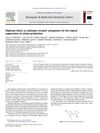 7 citations
,
April 2009 in “Bioorganic & Medicinal Chemistry Letters”
7 citations
,
April 2009 in “Bioorganic & Medicinal Chemistry Letters” Diphenyl ethers can potentially reduce excess oil production when applied on the skin, helping treat conditions like acne.
 5 citations
,
December 2021 in “Scientific Reports”
5 citations
,
December 2021 in “Scientific Reports” Age affects how certain proteins involved in COVID-19 infection are expressed in mice, but sex hormones and heart injury do not.
 5 citations
,
September 2011 in “Bioorganic & Medicinal Chemistry Letters”
5 citations
,
September 2011 in “Bioorganic & Medicinal Chemistry Letters” Pfizer found that pantolactam-based compounds can reduce sebum (skin oil) production when applied topically.
 3 citations
,
March 2005 in “The Journal of urology/The journal of urology”
3 citations
,
March 2005 in “The Journal of urology/The journal of urology” Dutasteride may help shrink prostate cancer tumors.
2 citations
,
November 2022 in “bioRxiv (Cold Spring Harbor Laboratory)” Mutant stem cells adapt their metabolism differently to outcompete normal cells in the skin.

The skin can still regenerate and function well even with fewer fibroblasts.
 September 2025 in “Journal of Dermatology Research and Therapy”
 Verteporfin with dermal wounding may boost hair regrowth in thinning areas but not in bald spots.
April 2012 in “Development” Rac1 is crucial for normal hair structure and pigmentation.