 September 2024 in “Journal of the American Academy of Dermatology”
 Dietary changes and supplements mostly did not improve alopecia areata.
 September 2020 in “Kocatepe Veterinary Journal”
 Equine adipose stem cells can become different cell types and are promising for healing injuries.
20 citations
,
June 2020 in “Journal of Advanced Research” High-dose vitamin A and E with zinc improved blood sugar control and insulin function in diabetics, but may cause hair loss.
4 citations
,
December 2020 in “Current sports medicine reports” Athletes usually get enough vitamins and minerals from a healthy diet, and supplements are only needed for those with actual deficiencies.
 January 2025 in “American Journal of Translational Research”
 Erianin may effectively treat alopecia areata by targeting the immune system.

Supplements improve health, appearance, and athletic performance.
 9 citations
,
August 2007 in “Journal of animal science/Journal of animal science ... and ASAS reference compendium”
9 citations
,
August 2007 in “Journal of animal science/Journal of animal science ... and ASAS reference compendium” Sheep wool follicles absorb different amino acids at various rates and locations, which could affect wool growth based on diet and genetics.
6 citations
,
January 2000 in “The Journal of Trace Elements in Experimental Medicine” Zinc supplements effectively treat acrodermatitis enteropathica.
1 citations
,
November 2025 in “Molecules” Ellagic acid can help treat skin issues, but its effectiveness is limited by poor absorption, so new delivery methods are being explored.
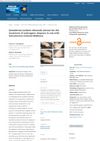
Ganoderma lucidum extract promotes hair growth in bald rats, with higher doses producing better results, similar to the effects of Minoxidil 2%.
 2 citations
,
January 2019 in “Annals of Dermatology”
2 citations
,
January 2019 in “Annals of Dermatology” Certain gene variations in EGF and EGFR may increase the risk of alopecia areata in Koreans.
 September 2009 in “Annales D Endocrinologie”
 DHEA supplementation may improve quality of life, neuropsychological functions, and sexual satisfaction in individuals with adrenal insufficiency, but more research is needed to confirm its safety and effectiveness.
3 citations
,
January 1993 in “Toxicological Sciences” 2-Ethylhexanoic acid harms fertility and delays development in rats.
 5 citations
,
July 2020 in “Journal of the American Academy of Dermatology”
5 citations
,
July 2020 in “Journal of the American Academy of Dermatology” Adding antihistamines to topical corticosteroid and cryotherapy may improve hair regrowth in alopecia areata patients.
March 2021 in “World rabbit science” Adding 0.2% taurine to Angora rabbits' diet improves wool production and overall health.
4 citations
,
August 2024 in “International Journal of Molecular Sciences” EBGS reduces platelet adhesion, potentially helping prevent blood clots.
 March 2026 in “Journal of Veterinary and Animal Sciences”
 Supplements improved calves' haircoat condition.
 1 citations
,
May 2023 in “Farmacja Polska”
1 citations
,
May 2023 in “Farmacja Polska” Creatine supplementation is safe and effective for boosting energy and muscle growth, especially in high-intensity sports.
 July 2020 in “Benha Journal of Applied Sciences”
 People with alopecia areata have higher levels of EGF in their blood than healthy people.
15 citations
,
August 1991 in “Histochemistry and Cell Biology” Enhancing Factor is found in growing tissues like young mouse intestines and skin but not in adults.
 1 citations
,
November 2019 in “The Korea Journal of Herbology”
1 citations
,
November 2019 in “The Korea Journal of Herbology” The herbal mixture RAA promotes hair growth and could be an alternative treatment for hair loss.

Red ginseng extract (GS-E3D) may promote hair growth and has antioxidant and anti-inflammatory properties.
 12 citations
,
December 2020 in “Archives animal breeding/Archiv für Tierzucht”
12 citations
,
December 2020 in “Archives animal breeding/Archiv für Tierzucht” EDA and EDAR are important for hair follicle development in cashmere goats and affect other related genes.
249 citations
,
May 2003 in “Developmental Biology” Ectodysplasin-A1 is crucial for developing hair, teeth, and glands.
6 citations
,
December 2015 in “International journal of immunopathology and pharmacology” AE can have varied symptoms and genetic causes, but zinc therapy helps.
14 citations
,
July 1977 in “PubMed” Applying linoleic acid to the skin fixed essential fatty acid deficiency symptoms.
 August 2025 in “Journal of Cosmetic Dermatology”
 The dietary supplement AGA-P improves the effectiveness of hair loss treatments.
9 citations
,
March 2009 in “The journal of investigative dermatology/Journal of investigative dermatology” Ectodysplasin signaling is crucial for skin appendage development, requiring specific doses and durations.
Controlling Tslp can improve health in AEC syndrome patients.
 98 citations
,
June 2008 in “Human mutation”
98 citations
,
June 2008 in “Human mutation” A genetic change in the EDAR gene causes the unique hair traits found in East Asians.