 1 citations
,
September 2023 in “Journal of the American Academy of Dermatology”
1 citations
,
September 2023 in “Journal of the American Academy of Dermatology” Baricitinib significantly improves hair regrowth in severe alopecia areata.
 September 2020 in “Acta Scientific Cancer Biology”
 Personalized treatment based on detailed tumor analysis successfully managed and reduced the patient's aggressive hair follicle cancer.
May 2023 in “The Journal of Immunology” Alopecia areata involves unique activation of certain immune cells.
 5 citations
,
February 2015 in “Dermatologic Surgery”
5 citations
,
February 2015 in “Dermatologic Surgery” Two cases of a rare skin condition were successfully treated with laser therapy, offering a non-surgical treatment option.
 86 citations
,
January 2019 in “Frontiers in Immunology”
86 citations
,
January 2019 in “Frontiers in Immunology” The document concludes that diagnosing and treating Human African Trypanosomiasis is challenging, but new treatments like fexinidazole are promising.
 76 citations
,
April 2005 in “Cancer Epidemiology, Biomarkers & Prevention”
76 citations
,
April 2005 in “Cancer Epidemiology, Biomarkers & Prevention” E211 G>A gene linked to lower risk of severe prostate cancer and hair loss.
January 2025 in “International Journal of Pharmaceutics” The treatment showed significant hair regrowth in alopecia areata patients without side effects.
1 citations
,
October 2024 in “Medicina” CLEC4D gene variants may increase the risk of alopecia areata in Jordanians.
July 2025 in “SKIN The Journal of Cutaneous Medicine” Ritlecitinib effectively improves hair regrowth and physician satisfaction in severe alopecia areata over time.
January 2026 in “Scientific Reports” Certain blood cell ratios are higher in kids with alopecia areata and might help predict the disease.
14 citations
,
February 1991 in “FEBS Letters” Introducing the rat OTC gene partially corrected OTC deficiency in mice.
3 citations
,
January 2011 in “Yearbook of Dermatology and Dermatologic Surgery”  April 2016 in “Journal of The American Academy of Dermatology”
 Both atopy and eosinophilia are linked to more severe hair loss in people with alopecia areata.
 13 citations
,
January 2011 in “International Journal of Trichology”
13 citations
,
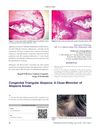
January 2011 in “International Journal of Trichology” CTA is often mistaken for AA but doesn't respond to steroids and may require hair transplantation.
 June 2017 in “Journal of The American Academy of Dermatology”
 Tapinarof cream at 1% concentration is effective and better tolerated for treating atopic dermatitis than the 2% concentration.
April 2026 in “Clinical and Translational Science” Tofacitinib effectively treats severe alopecia areata, improving hair regrowth and patient satisfaction.
June 2026 in “Value in Health” October 2024 in “Cosmetics” ATG effectively reduces hair frizz without damaging hair strength.
 September 2022 in “Medical Mycology”
 Three different methods were compared for creating Titan cells, a type of fungus cell. The OZ method made the most cells initially, but the number dropped quickly. The EB method also made a lot of cells, but the number also dropped. The AA method made fewer cells, but the number stayed steady. The methods also affected which genes were active in the cells.
September 2019 in “The journal of investigative dermatology/Journal of investigative dermatology” New RIPK4 gene mutations were found to cause a type of skin and limb birth defect.
1 citations
,
January 2012 in “Ancient Science of Life” Eclipta alba extract reduces ulcers and protects the stomach in rats.
 August 1994 in “Molecular Endocrinology”
 Changing protein kinase levels in pituitary cells affects calcium flow and beta-endorphin release.
February 2006 in “PubMed” Docetaxel slightly extends prostate cancer survival but has significant side effects and high cost.
March 2026 in “Bioengineering & Translational Medicine” PEGylated thymosin β4 shows promise for treating heart attacks effectively.
4 citations
,
November 2023 in “SKIN The Journal of Cutaneous Medicine” Ritlecitinib is safe for treating alopecia areata for up to 48 weeks.

mEphA1 receptor tyrosine kinase is important for skin and hair development and may play a role in certain diseases.
 2 citations
,
August 2013 in “The Lancet. Diabetes & endocrinology”
2 citations
,
August 2013 in “The Lancet. Diabetes & endocrinology” The FDA rejected a testosterone drug again due to safety concerns.
 2 citations
,
June 2017 in “Pediatric Dermatology”
2 citations
,
June 2017 in “Pediatric Dermatology” A critically ill boy experienced hair loss likely due to the stress of his medical treatments, but his hair regrew completely in 1.5 months.
November 2025 in “Journal of Investigative Dermatology” Certain immune cells in atopic dermatitis skin could be targeted for treatment.
 January 2020 in “bioRxiv (Cold Spring Harbor Laboratory)”
 Semecarpus anacardium leaf extracts may offer safe, effective cancer treatment alternatives.