Search
for
Sort by
Research
660-690 / 1000+ resultsresearch Study of Skin Microbiome in Patients with Alopecia Areata: Case Control Study
Changes in skin bacteria may relate to alopecia areata severity.
research Brief Report: Requirement of TACE/ADAM17 for Hair Follicle Bulge Niche Establishment
TACE/ADAM17 is essential for maintaining healthy hair and hair follicle stem cells.
research Coexistence of alopecia areata and fixed drug eruption: An uncommon isotopic phenomenon?
A rare skin reaction occurred when a man took paracetamol, causing a new rash in an area already affected by hair loss.
research Epidermolysis bullosa in animals: a review
Epidermolysis bullosa is a genetic disease causing fragile skin and blisters in both animals and humans.
research PA31 Congenital alopecia areata: a systematic review
Congenital alopecia areata may have genetic links and topical corticosteroids are an effective treatment.
research The Relation of Androgenetic Alopecia Severity with Epicardial Fat Thickness
More severe hair loss links to thicker heart fat, suggesting possible heart disease risk.
research Engineered extracellular vesicles for tissue repair and regeneration
Engineered extracellular vesicles can improve tissue repair and regeneration.
research Human Epidermal Transglutaminase
The enzyme is crucial for skin cell development and can be activated without proteolytic activation.
research Association between genetically predicted rheumatoid arthritis and alopecia areata: a two-sample Mendelian randomization study
People with rheumatoid arthritis have a higher risk of developing alopecia areata.
research The deduced sequence of the novel protransglutaminase E (TGase3) of human and mouse
Human and mouse TGase3 enzymes are similar but differ near the activation site, crucial for their function in skin and hair development.
research Characteristics and Management of Patients with Alopecia Areata and Selected Comorbid Conditions: Results from a Survey in Five European Countries
AA patients with comorbid conditions face more severe hair loss and need specific treatments.
research Induction of ornithine decarboxylase in specific subpopulations of murine epidermal cells following multiple exposures to 12-O-tetradecanoylphorbol-13-acetate, mezerein and ethyl phenylpropriolate
TPA strongly increases ODC activity in certain skin cells, potentially aiding tumor growth.

research eLife assessment: Touch receptor end-organ innervation and function require sensory neuron expression of the transcription factor Meis2
Meis2 is essential for touch sensation and proper nerve connection to touch receptors in certain skin areas of mice.
research Alopecia areata susceptibility variant in MHC region impacts expressions of genes contributing to hair keratinization and is involved in hair loss
A gene variant increases the risk of a type of hair loss by affecting hair protein production.
research PA11 A rare case of a severe papulopustular dermatosis secondary to a germline EGFR mutation
A rare genetic mutation in the EGFR gene caused severe skin issues and other health problems in a Slovakian girl, who is now 4 years old and receiving care.
research Dermatologic Adverse Events from Cancer Treatments
Cancer treatments can cause skin-related side effects that may affect patient quality of life and require changes in treatment.
research Essential oils in androgenetic alopecia management: An integrative review
Essential oils may help hair growth, but more research is needed.
research Localized variant of junctional epidermolysis bullosa with R795X mutation
Early and accurate diagnosis is crucial for managing rare genetic disorders like this localized variant of junctional epidermolysis bullosa.
research Dynamics and Epigenetics of the Epidermal Differentiation Complex
Epigenetic mechanisms control skin development by regulating gene expression.
research The burden of alopecia areata: A scoping review focusing on quality of life, mental health and work productivity
Alopecia areata greatly affects people's life quality, mental health, and work life.
research Understanding the epidemiology and burden of Alopecia Areata in Asia: a systematic review
Alopecia areata in Asia causes significant hair loss and psychological distress, with high costs and a need for more research.
research A Male with an Erythema, Pustules, and Crusts on the Scalp
A rare scalp condition was successfully treated with specific medications after 9 months.
research Alopecia Areata: Prognostic Factors
Alopecia areata is unpredictable, with limited treatment effectiveness, especially in severe cases.
research Colocalization of Cystatin M/E and its Target Proteases Suggests a Role in Terminal Differentiation of Human Hair Follicle and Nail
Cystatin M/E helps in the final stages of hair and nail formation by controlling certain enzymes.
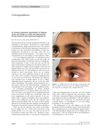
research An unusual anatomical colocalization of alopecia areata and vitiligo in a child, and improvement during treatment with topical prostaglandin E2
Topical prostaglandin E2 can help treat both alopecia areata and vitiligo.
research Extracellular vesicles in atopic dermatitis: unraveling pathogenic mediators and engineering therapeutic vectors
Extracellular vesicles can both worsen and potentially treat atopic dermatitis.
research Autoimmunerkrankungen erfordern eine kombinierte Therapie aus Toleranzinduktion und Immunsuppression - Modelluntersuchung bei der Alopecia Areata
Autoimmune diseases need combined therapy of tolerance induction and immunosuppression.
research Epithelial barrier function: assembly and structural features of the cornified cell envelope
The cornified cell envelope forms a protective barrier in skin and hair, using specific proteins and lipids to maintain effectiveness.
research Adipose tissue protects against skin photodamage through CD151- and AdipoQ- EVs
Fat tissue vesicles protect skin from UV damage better than stem cell vesicles.