196 citations
,
November 2014 in “PubMed” Tinea infections need proper diagnosis and treatment with topical or oral antifungals based on severity and location.
 183 citations
,
January 2018 in “Cosmetics”
183 citations
,
January 2018 in “Cosmetics” Essential oils in cosmetics can offer benefits but may cause allergies and should be used carefully.
89 citations
,
August 2018 in “JAMA Dermatology” Contact immunotherapy can improve hair regrowth in alopecia areata patients.
 76 citations
,
November 2010 in “Journal of The American Academy of Dermatology”
76 citations
,
November 2010 in “Journal of The American Academy of Dermatology” Some African American women's central scalp hair loss is linked to genetics and past fungal scalp infections, with more research needed on other causes.
 62 citations
,
July 2018 in “Lasers in Medical Science”
62 citations
,
July 2018 in “Lasers in Medical Science” LED therapy is safe and shows potential for treating skin conditions and promoting hair growth, but more research is needed.
 41 citations
,
January 2011 in “Nippon Ishinkin Gakkai Zasshi”
41 citations
,
January 2011 in “Nippon Ishinkin Gakkai Zasshi” Tinea incognito in Iran commonly affects adults and mimics other skin conditions.
8 citations
,
January 2024 in “Microorganisms” Dupilumab improves skin microbiome balance in atopic dermatitis patients.
 4 citations
,
January 2022 in “Current pharmaceutical design”
4 citations
,
January 2022 in “Current pharmaceutical design” Microsponges delivery system is a safe, versatile method for controlled drug release in various treatments.
 4 citations
,
March 2006 in “Archives of Dermatology”
4 citations
,
March 2006 in “Archives of Dermatology” The conclusion is that dermatologists can improve women's skin health but must overcome cultural and economic barriers to do so.
2 citations
,
June 2025 in “Molecules” Witch hazel is effective for skin care due to its antimicrobial, anti-inflammatory, antioxidant, and healing properties.
 2 citations
,
May 2009 in “Medicine”
2 citations
,
May 2009 in “Medicine” Hair and nails can help diagnose diseases, with nail issues often linked to skin conditions and hair loss having various causes and treatments.
 2 citations
,
August 1987 in “Australasian Journal of Dermatology”
2 citations
,
August 1987 in “Australasian Journal of Dermatology” Birth control pills can cause skin issues but may help with acne and hirsutism, and choosing the right type can minimize side effects.
 2 citations
,
February 1981 in “Journal of the Royal Society of Medicine”
2 citations
,
February 1981 in “Journal of the Royal Society of Medicine” A three-year-old girl survived a rare serious infection caused by BCG vaccination, which improved after treatment with a leprosy drug.
1 citations
,
May 2024 in “Pharmaceutics” Hemp is a promising ingredient for skin products due to its healing and soothing properties.
 1 citations
,
July 2013 in “JAMA Dermatology”
1 citations
,
July 2013 in “JAMA Dermatology” Dermatologists should address erectile dysfunction in patients with skin conditions to improve their quality of life.
 1 citations
,
November 2010 in “Value in Health”
1 citations
,
November 2010 in “Value in Health” Pill splitting increased generic finasteride sales but didn't affect branded finasteride sales.
1 citations
,
January 2007 in “Side effects of drugs annual” Dermatological treatments can have significant side effects, including allergic reactions, sexual dysfunction, and increased cancer risk.
1 citations
,
November 2003 in “SKINmed Dermatology for the Clinician” A 17-year-old with Netherton syndrome has dry, itchy skin, brittle hair, and high IgE levels, treated with antihistamines and emollients.
May 2026 in “SKIN The Journal of Cutaneous Medicine” Bimekizumab can improve scarring alopecia in severe psoriasis.
October 2025 in “Preprints.org” Adipose mesenchymal stem cells are best for skincare because they reduce inflammation and are safe and effective.
October 2025 in “Bioactive Materials” Combining traditional Chinese medicine with microneedles shows promise for effectively treating skin diseases with fewer side effects.

New treatments for skin conditions show promise, especially Coacillium® for hair growth in young people with alopecia areata.
July 2023 in “Clinical Cosmetic and Investigational Dermatology” Accurate diagnosis of granular parakeratosis is crucial for effective treatment and improvement.
 September 2022 in “bioRxiv (Cold Spring Harbor Laboratory)”
 The research provided new insights into the genetic factors contributing to hair loss and skin conditions by analyzing individual cells from the human scalp.
 September 2020 in “British Journal of Dermatology”
 The document highlights advancements and findings in dermatology, including AI use, disease prevention, treatment efficacy, and the impact of conditions on patients' lives.
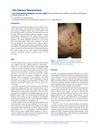 October 2016 in “Elsevier eBooks”
 Common noncancerous skin diseases have various treatments, including topical applications, light therapy, surgery, and medications, with psychological support being important.
 January 2015 in “Dermatology”
 The document covers various dermatological treatments and conditions.
 August 2010 in “The Journal of Dermatology”
 The document concludes that low-dose acne treatment is most suitable for moderate acne, with high patient satisfaction and low relapse rates.
 January 2009 in “Springer eBooks”
 The document concludes that treating skin conditions should include psychological care and a multidisciplinary approach is essential for effective management.
 April 1955 in “Archives of pediatrics & adolescent medicine”
 Children's skin diseases need special care and treatment.