May 2026 in “JID Innovations” Alopecia areata shares gene expression patterns with chronic skin disorders, suggesting they are linked.
CRISPR gene editing reduces harmful molecules in cells from Emery–Dreifuss Muscular Dystrophy patients.
83 citations
,
October 2016 in “Stem Cells and Development” Epidermal growth factor helps hair stem cells grow by activating specific cell pathways.
1 citations
,
January 2020 in “Indian journal of dermatology, venereology, and leprology” CD117 and platelet-derived growth factor receptor α may play a role in alopecia areata.
97 citations
,
June 2013 in “Journal of Dermatological Science” Understanding EGFR's role in skin is crucial for better treatments and managing side effects.
5 citations
,
October 2024 in “Reumatismo” Upadacitinib significantly improved alopecia universalis and psoriatic arthritis in a patient.
 10 citations
,
November 2015 in “Experimental Dermatology”
10 citations
,
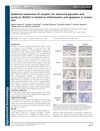
November 2015 in “Experimental Dermatology” Skin RAGE levels are linked to inflammation and cell death.
9 citations
,
October 2017 in “Frontiers in plant science” The peach gene CTG134 helps control the interaction between auxin and ethylene, which could lead to new agricultural chemicals.
 August 2016 in “Journal of Investigative Dermatology”
 The enzyme CD73 helps control human hair growth and could be targeted to treat hair growth disorders.
October 2021 in “Scholarworks (University of Massachusetts Amherst)” FERONIA is crucial for plant growth, pollen tube reception, and sugar signaling.
 May 2017 in “Journal of The American Academy of Dermatology”
 LED light helps human hair root cells grow and move by activating certain cell pathways.
 26 citations
,
April 2019 in “Advances in wound care”
26 citations
,
April 2019 in “Advances in wound care” Tannic acid helps wounds heal faster in rats by activating certain cell signals and reducing inflammation.
January 2026 in “Advanced Science” Increasing XIAP and DDRGK1 can help prevent hearing loss from loud noise.
Higher TGF-β signaling may increase skin cancer risk in organ transplant recipients.

Farudodstat can prevent hair follicle immune damage linked to alopecia areata.
 6 citations
,
June 2021 in “Developmental biology”
6 citations
,
June 2021 in “Developmental biology” Dermal EZH2 controls skin cell development and hair growth in mice.
January 2024 in “Frontiers research topics” Comprehensive genetic testing and international collaboration are crucial for better understanding and managing Ehlers-Danlos syndromes.
 November 2020 in “bioRxiv (Cold Spring Harbor Laboratory)”
 Dermal EZH2 controls skin cell growth and differentiation in mice.
Higher PD-1 levels mean fewer CD8+ T cells in alopecia areata hair follicles.
 23 citations
,
December 2017 in “Scientific Reports”
23 citations
,
December 2017 in “Scientific Reports” ARL15 is important for fat cell development and the release of the hormone adiponectin.
January 2016 in “e-Oftalmo CBO Revista Digital de Oftalmologia” CSC is linked to mineralocorticoid receptor damage, stress, and steroid use, with treatments including drugs and laser therapies to prevent eye damage.
 November 2022 in “Scientific Data”
 The research identified genes and non-coding RNAs in cells that could be affected by testosterone, which may help understand hair loss and prostate cancer.
717 citations
,
June 2010 in “Nature” Alopecia areata involves both innate and adaptive immunity, with specific genes linked to the disease.
 20 citations
,
August 2005 in “Journal of Cutaneous Pathology”
20 citations
,
August 2005 in “Journal of Cutaneous Pathology” The protein ARA70/ELE1 is involved in male pattern baldness, and lower levels of its short form may lead to hair thinning.
 March 2024 in “Plant physiology”
 GLABRA 2 controls ethylene production to help root hair growth during nutrient deficiency.
15 citations
,
December 2018 in “International journal of environmental research and public health/International journal of environmental research and public health” EGCG may help treat alopecia areata by blocking certain immune responses and reducing specific harmful immune cells.
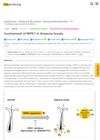
RIPK1 inhibitors might help prevent alopecia areata.
12 citations
,
February 2019 in “Developmental Biology” Nerve signals are essential for axolotl limb regeneration by regulating HDAC1.
14 citations
,
November 2024 in “International Journal of Molecular Sciences” YAP and TAZ proteins control skin cell growth and repair.