May 2026 in “Journal of Human Immunity” Ruxolitinib reduced inflammation and improved symptoms in APECED patients but may cause anemia and weight gain.
4 citations
,
March 2025 in “The Journal of Dermatology” Ritlecitinib is effective and safe for hair regrowth in Asian patients with alopecia areata.
 5 citations
,
May 2018 in “Drug Safety”
5 citations
,
May 2018 in “Drug Safety” Using electronic health records can help identify drug side effects but has some limitations.
 2 citations
,
February 2024 in “Journal of the European Academy of Dermatology and Venereology”
2 citations
,
February 2024 in “Journal of the European Academy of Dermatology and Venereology” The study created a 27-item measure to assess the impact of skin diseases.
67 citations
,
August 2004 in “Endocrinology” A specific gene mutation causes vitamin D resistance, but certain vitamin D analogs might help.
 September 2019 in “Journal of Investigative Dermatology”
 Abrocitinib at 100 mg and 200 mg daily may significantly improve moderate-to-severe atopic dermatitis in patients 12 years and older.
107 citations
,
March 2014 in “BoneKEy Reports” Mutations in the vitamin D receptor cause hereditary vitamin D-resistant rickets, leading to poor bone health and requiring high calcium doses for treatment.
48 citations
,
July 2023 in “Pediatric Dermatology” Ritlecitinib effectively regrows hair in adolescents with alopecia areata and is safe.
10 citations
,
January 2014 in “Journal of Pediatric Endocrinology and Metabolism” Three new gene mutations cause rickets and hair loss, treatable with high calcium and calcidol, but hair regrowth is rare.
Ritlecitinib significantly regrows scalp hair in people with alopecia areata.
 1 citations
,
August 2021 in “Journal of The American Academy of Dermatology”
1 citations
,
August 2021 in “Journal of The American Academy of Dermatology” Baricitinib was effective in treating both early and late onset alopecia areata.
26 citations
,
September 2009 in “Clinical genetics” Arab APS1 patients have unique and recurrent AIRE gene mutations.
December 2025 in “The Journal of Dermatology” Ritlecitinib effectively reduces hair loss in JAK inhibitor-naïve alopecia areata patients.
January 2026 in “Skin Health and Disease” Irish dermatologists use JAK inhibitors for alopecia areata but want standardized treatment guidelines.
October 2023 in “The Open Dermatology Journal” Baricitinib is effective for severe alopecia areata with manageable side effects, mainly upper respiratory infections.
 November 2024 in “SKIN The Journal of Cutaneous Medicine”
 Ritlecitinib provides new treatment options for diverse alopecia areata patients.
April 2025 in “Anais Brasileiros de Dermatologia” Abrocitinib effectively treats severe alopecia areata with significant improvement and no side effects.
 April 2023 in “Journal of Investigative Dermatology”
 Some patients who had a severe drug reaction developed long-term hair loss.
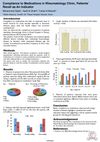
Many patients in the rheumatology clinic adjusted or stopped their medications due to side effects.
June 2017 in “Journal of the American Academy of Dermatology” The new cream is safe and effective for mild to moderate atopic dermatitis.
 November 2023 in “Frontiers in pharmacology”
 Drug repositioning offers hope for new, affordable treatments for a genetic skin disorder called ARCI.
5 citations
,
January 2002 in “European journal of pediatrics” "D-CHRAMPS syndrome" is a newly identified condition with multiple severe symptoms.
Upadacitinib and oral minoxidil improved Crohn's disease and hair regrowth in a patient.
5 citations
,
July 2017 in “International journal of endocrinology and metabolism/International journal of endocrinology and metabolism.” Two siblings with a genetic mutation had a form of rickets that doesn't respond to vitamin D.
3 citations
,
January 2014 in “The Journal of Dermatology” Squaric acid dibutylester for alopecia areata can cause benign skin lymphoid growths.
 March 2021 in “Research Square (Research Square)”
 Patients with RASopathies have a higher risk of autoimmune disorders and should be routinely screened.
 October 2024 in “Journal of the Endocrine Society”
 A rare genetic mutation causes resistance to vitamin D, leading to severe rickets and requiring high doses of calcium and vitamin D for treatment.
 2 citations
,
November 2015 in “Endocrinology, Diabetes & Metabolism Case Reports”
2 citations
,
November 2015 in “Endocrinology, Diabetes & Metabolism Case Reports” A man with X-ALD improved after treatment, highlighting the need to consider X-ALD in similar patients and test their relatives.
 April 2024 in “Journal of asthma and allergy”
 Abrocitinib effectively treated severe atopic dermatitis and mild alopecia areata in a 12-year-old boy after dupilumab failed.
January 2026 in “Nutrición Hospitalaria” Many drugs can cause lipid metabolism issues, and labels need better warnings.