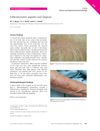
 May 2014 in “Clinical and Experimental Dermatology”
 A 70-year-old woman with a rare skin condition improved after treatment with topical steroids and acitretin.
1 citations
,
August 2021 in “Journal of Investigative Dermatology” ASLAN004 was safe and well-tolerated, supporting further development for treating certain diseases.
 76 citations
,
May 2011 in “Cell death and differentiation”
76 citations
,
May 2011 in “Cell death and differentiation” A20 protein is crucial for normal skin and hair development.
 July 2026 in “Pharmacological Reports”
 Topical latanoprost acid may help hair growth in women with hair loss.
1 citations
,
February 2025 in “International Journal of Dermatology” Abrocitinib may effectively treat Lichen Planopilaris.
1 citations
,
April 2015 in “InTech eBooks” RAGE is a potential target for melanoma treatment, but its effectiveness is uncertain due to variable expression levels.
June 2026 in “Materials Today Bio” The hydrogel helps heal skin and reduce inflammation.
 February 2026 in “International Journal of Molecular Sciences”
 Muscarinic acetylcholine receptors in skin cells help regulate and promote hair growth.
 10 citations
,
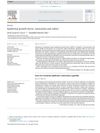
October 2015 in “Medicina Clínica (english Edition)”
10 citations
,
October 2015 in “Medicina Clínica (english Edition)” Recombinant human epidermal growth factor is versatile, effective, and safe for long-term skin and mucosal treatments.
November 2003 in “Journal of Neurochemistry” Allopregnanolone may enhance alcohol's effects on dopamine neurons, influencing addiction risk.
5 citations
,
July 2022 in “Genes” Increasing EGR1 levels makes hair root cells grow faster.
 3 citations
,
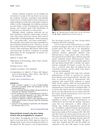
May 2011 in “Journal of the American Academy of Dermatology”
3 citations
,
May 2011 in “Journal of the American Academy of Dermatology” A woman's excessive hair growth around a leg ulcer was linked to a treatment with Prostaglandin E1 ointment.
August 2025 in “Scientific Reports” Itchy keloids on the chest are linked to more nerve fibers and substance P.
 April 2024 in “Cellular signalling”
 Activating TRPMLs helps human cells important for hair growth and increases hair growth in mice.
December 2025 in “Journal of Human Immunity” JAK inhibitors may help improve symptoms in adults with APECED.
227 citations
,
February 1989 in “The Journal of Comparative Neurology” CGRP-IR axons may help maintain and renew tissues.
39 citations
,
March 2009 in “Dermatology Online Journal” Understanding EGFR roles could lead to new hair loss treatments.
 1 citations
,
June 2021 in “Biomolecules & Therapeutics”
1 citations
,
June 2021 in “Biomolecules & Therapeutics” Activating δ-opioid receptors can help hair grow.
 2 citations
,
January 2019 in “Annals of Dermatology”
2 citations
,
January 2019 in “Annals of Dermatology” Certain gene variations in EGF and EGFR may increase the risk of alopecia areata in Koreans.
 June 2024 in “British Journal of Dermatology”
 KRT14 gene variants cause dermatopathia pigmentosa reticularis, affecting nails, teeth, and hair.
 May 2026 in “Zenodo (CERN European Organization for Nuclear Research)”
 The EDAR V370A allele in East Asians likely evolved due to reliance on aquatic resources providing essential nutrients.
 May 2026 in “Zenodo (CERN European Organization for Nuclear Research)”
 The EDAR V370A allele in East Asians likely evolved due to reliance on aquatic resources providing essential nutrients.
 30 citations
,
February 2017 in “Histochemistry and Cell Biology”
30 citations
,
February 2017 in “Histochemistry and Cell Biology” TPA promotes hair growth by increasing stem cell activity and activating specific cell signals.
43 citations
,
January 2014 in “Indian Journal of Dermatology” EGFR inhibitors can cause skin issues like acne and dryness, but these can be managed without stopping treatment.
4 citations
,
September 2016 in “World Rabbit Science” High wool density in Rex rabbits is linked to specific gene activity affecting hair follicle development.
32 citations
,
January 2010 in “Journal of Dermatological Science” Reduced EGFR signaling delays hair cycle and reduces fat growth, but hair development remains normal.
 3 citations
,
January 2011 in “Annals of Dermatology”
3 citations
,
January 2011 in “Annals of Dermatology” Blocking EGFR in skin cells doesn't majorly increase inflammation markers.
 1 citations
,
April 2018 in “The journal of investigative dermatology/Journal of investigative dermatology”
1 citations
,
April 2018 in “The journal of investigative dermatology/Journal of investigative dermatology” Oral tofacitinib significantly improves lichen planopilaris symptoms without adverse effects.
 14 citations
,
October 2020 in “Journal of ethnopharmacology”
14 citations
,
October 2020 in “Journal of ethnopharmacology” Lepidium sativum seed extracts helped reduce inflammation and improve insulin response in obese rats on a high-fat diet.
 November 2023 in “Journal of cosmetic dermatology”
 The 595-nm pulsed dye laser effectively reduces symptoms of EFFC with minimal side effects.