 March 2026 in “IP Indian Journal of Conservative and Endodontics”
 PRP shows promise for regenerating dental tissues.
May 2009 in “Faculty Opinions – Post-Publication Peer Review of the Biomedical Literature” DHEA therapy improved pubic hair growth and psychological well-being in young females with adrenal insufficiency.
26 citations
,
August 2016 in “Translational Andrology and Urology” Treatments for urinary symptoms often cause ejaculatory problems.
 2 citations
,
May 2021 in “bioRxiv (Cold Spring Harbor Laboratory)”
2 citations
,
May 2021 in “bioRxiv (Cold Spring Harbor Laboratory)” A special foam called EG7 PTK-UR helps heal skin wounds better than other similar materials, working as well as a top-rated product and better than a polyester foam.
4 citations
,
August 2024 in “International Journal of Molecular Sciences” EBGS reduces platelet adhesion, potentially helping prevent blood clots.
 May 2024 in “Nano letters”
 Polydopamine and quercetin together can speed up hair regrowth.
 July 2025 in “Indian Journal of Forensic Medicine & Toxicology”
 DNA phenotyping can predict physical traits like eye, hair, and skin color, improving forensic investigations.
2 citations
,
May 2016 in “Journal of dermatology” Tissue expansion successfully treated alopecia in a child with hypohidrotic ectodermal dysplasia.
 September 2024 in “Cutis”
 Dermatology residency programs need better DEI training to improve care for diverse patients.
 January 2026 in “Journal of Hard Tissue Biology”
 Red LED light boosts cell activity and growth, aiding wound healing and blood vessel repair.
 3 citations
,
June 2023 in “Journal of cosmetic dermatology”
3 citations
,
June 2023 in “Journal of cosmetic dermatology” The gel with CBD and EPA reduced wrinkles, improved skin hydration and elasticity, and had strong anti-aging effects.
1 citations
,
September 2008 in “International Journal of Cosmetic Science” Using chelants in hair dye reduces fiber damage by preventing harmful radicals.
 49 citations
,
October 2017 in “Nutrients”
49 citations
,
October 2017 in “Nutrients” Equisetum debile extract, especially the ethyl acetate type, may be a promising natural ingredient for anti-hair loss products.
 August 2024 in “Quality in Sport”
 PRP helps with skin, hair, and wound treatments but needs more research for standard use.

Erythropoietin overexpression disrupts hair growth and fat formation in mice.
January 2014 in “Journal of Central South University(Science and Technology)” PPCM microspheres can effectively release finasteride over 42 days.
 July 2022 in “Dermatology practical & conceptual”
 Henna ointment may help reduce itching and improve wound healing in patients with epidermolysis bullosa.
September 2015 in “Photodiagnosis and Photodynamic Therapy”  10 citations
,
December 2017 in “Chemosphere”
10 citations
,
December 2017 in “Chemosphere” Bisphenol-A (BPA) increases connections between brain cells and boosts their activity, but it blocks the effects of a male hormone on brain cell plasticity.
July 2024 in “Journal of Investigative Dermatology” CRISPR/Cas9 and prime editing can potentially fix skin disorder genes safely and effectively.
 273 citations
,
May 2017 in “The Lancet”
273 citations
,
May 2017 in “The Lancet” Some drugs can cause rare but potentially deadly skin reactions, and early treatment and avoiding the drug again are key.
 2 citations
,
September 1980 in “Experientia”
2 citations
,
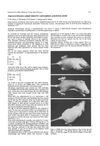
September 1980 in “Experientia” Polyethylene alanine caused hair loss in young lab animals but not in adults, with hair regrowth occurring within 20 days.
 12 citations
,
December 2020 in “Frontiers in Cell and Developmental Biology”
12 citations
,
December 2020 in “Frontiers in Cell and Developmental Biology” The review found that the way Platelet-Rich Plasma is made varies a lot, which can change the results of medical treatments.
P-3074 effectively blocks scalp DHT better than oral finasteride.
 1 citations
,
January 2023 in “Burns and trauma”
1 citations
,
January 2023 in “Burns and trauma” Tiny particles from 3D-grown skin cells speed up wound healing by promoting blood vessel growth.
 April 2026 in “bioRxiv (Cold Spring Harbor Laboratory)”
 A new microneedle patch significantly improves melanoma treatment by using a special material to activate cancer-fighting drugs and disrupt cancer cells.
January 1992 in “Filosofia oggi” PRP gel is a safe, affordable treatment needing trained staff and proper facilities.
 18 citations
,
March 2002 in “The journal of investigative dermatology/Journal of investigative dermatology”
18 citations
,
March 2002 in “The journal of investigative dermatology/Journal of investigative dermatology” Estrogen increases blood vessel growth factor production, while testosterone blocks this increase.
 10 citations
,
January 2018 in “Postępy Dermatologii i Alergologii”
10 citations
,
January 2018 in “Postępy Dermatologii i Alergologii” Treating alopecia areata every 3 weeks with diphenylcyclopropenone is more effective than weekly treatments.
 March 2005 in “Journal of The American Academy of Dermatology”
 Diphencyprone treatment protocols could be simplified as no harm occurred despite not fully following them.