 January 2025 in “Open Veterinary Journal”
 Zinc, copper, and vitamin A deficiencies cause skin disorders in sheep.
40 citations
,
July 2019 in “Journal of Investigative Dermatology” Lack of a key enzyme causes severe skin issues and death in mice.
October 2009 in “The American Journal of Gastroenterology” Isolated amylase deficiency can cause failure to thrive and should be checked with specific tests.
25 citations
,
April 2008 in “Clinical and experimental dermatology” EFFC might be common but underreported.
April 1980 in “Archives of Dermatology” Zinc deficiency didn't cause visible hair changes in the patient.
 January 2026 in “Zenodo (CERN European Organization for Nuclear Research)”
 Iron deficiency anemia is common and treated with iron supplements and diet changes.
 January 2026 in “Zenodo (CERN European Organization for Nuclear Research)”
 Iron deficiency anemia is common and treated with iron supplements and diet changes.
 12 citations
,
January 2016 in “Journal of Orofacial Orthopedics / Fortschritte der Kieferorthopädie”
12 citations
,
January 2016 in “Journal of Orofacial Orthopedics / Fortschritte der Kieferorthopädie” Researchers found a new mutation in the EDA gene that likely causes missing teeth and mild skin symptoms in one family.
January 2000 in “대한피부과학회지” Preventing zinc deficiency is crucial, especially in bowel disease and chronic malabsorption, with recommended skin checks and zinc supplements.
 24 citations
,
May 2019 in “PLOS genetics”
24 citations
,
May 2019 in “PLOS genetics” Mutations in the HEPHL1 gene cause abnormal hair and cognitive issues.
 April 2021 in “MEDICINUS”
 Acrodermatitis enteropathica can occur even with normal zinc levels, and zinc supplements can improve symptoms.
4 citations
,
January 2023 in “Journal of Clinical Investigation” Specific mutations in a receptor cause facial abnormalities and hair loss.
 September 2022 in “JAMC. Journal of Ayub Medical College, Abbotabad, Pakistan/Journal of Ayub Medical College”
 A boy with a rare skin condition improved quickly after starting zinc supplements.
13 citations
,
August 1982 in “PubMed” Zinc deficiency causes skin issues and hair loss, treatable with zinc supplements.
A rare genetic mutation causes severe immune issues, hair loss, and nail problems.
October 2025 in “Journal of the Endocrine Society” Low estrogen due to poor nutrition can lead to non-alcoholic fatty liver disease.
14 citations
,
January 2014 in “Dermatology Research and Practice” Many infants in Northern Ethiopia have zinc deficiency.
 January 2023 in “Open journal of pediatrics”
 A 7-month-old girl with a rare skin disorder died because diagnosis was delayed.
January 2011 in “대한피부과학회지” A 7-year-old girl was diagnosed with trichothiodystrophy due to low sulfur levels in her hair.
 April 2016 in “Journal of The American Academy of Dermatology”
 A child on life support experienced rapid hair loss due to severe illness affecting hair growth.
 1 citations
,
December 2023 in “Curēus”
1 citations
,
December 2023 in “Curēus” Most children with a common hemochromatosis genotype had elevated iron levels but no severe symptoms.
 11 citations
,
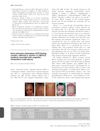
September 2011 in “British Journal of Dermatology”
11 citations
,
September 2011 in “British Journal of Dermatology” New ABCA12 gene mutations were linked to a skin condition with scaling and hair loss, and a treatment helped with hair loss in a related case.
October 2021 in “European Journal of Dermatology” CAL-PDT is safer and more effective for treating actinic keratosis on the scalp.
 February 2023 in “Research Square (Research Square)”
 Genetic testing confirmed a rare skin disorder in a young girl, which improved with zinc supplementation.
 1 citations
,
February 2023 in “Pediatrician (St Petersburg)”
1 citations
,
February 2023 in “Pediatrician (St Petersburg)” Early iron deficiency can lead to anemia during puberty, so it's important to address it early.
23 citations
,
January 1964 in “Archives of Dermatology” Treatment with vitamin A did not improve the child's skin condition.
10 citations
,
November 1946 in “Journal of the American Medical Association” Severe vitamin deficiencies in children can cause significant hair problems.
1 citations
,
January 2024 in “Pediatric Dermatology” The boy's scurvy symptoms improved with vitamin C treatment, highlighting the need for a balanced diet.

Early recognition and zinc treatment can effectively improve acrodermatitis symptoms.
 May 2026 in “Journal of Personalized Medicine”
 Alopecia areata is linked to iron deficiency anemia, suggesting iron levels should be checked and managed in these patients.