 5 citations
,
October 2020 in “Brain Research Bulletin”
5 citations
,
October 2020 in “Brain Research Bulletin” Etifoxine, an anxiety drug, can lessen brain inflammation and cognitive issues in mice, partly by increasing production of protective brain steroids.
January 2011 in “Reactions Weekly” October 2024 in “International Journal of Pharmaceutics” Finasteride in lipid carriers improved hair growth in rats.
January 2026 in “DOAJ (DOAJ: Directory of Open Access Journals)” EH-MSCs can help regrow hair by boosting IGF-1 and reducing IL-1Beta.
26 citations
,
January 1992 in “Carcinogenesis” TPA strongly increases ODC activity in certain skin cells, potentially aiding tumor growth.
The document cannot be parsed.
 2 citations
,
April 2009 in “Bulletin of Experimental Biology and Medicine”
2 citations
,
April 2009 in “Bulletin of Experimental Biology and Medicine” Flamena, a liposomal mix, helps skin heal better after a chemical burn.
 6 citations
,
November 2018 in “Antimicrobial agents and chemotherapy (Print)”
6 citations
,
November 2018 in “Antimicrobial agents and chemotherapy (Print)” Fluconazole can cause hair loss, but the exact cause is unknown.
3 citations
,
January 2011 in “Yearbook of Dermatology and Dermatologic Surgery”  February 2024 in “Skin research and technology”
 The research suggests that immune cells and a specific type of cell death called ferroptosis are involved in Frontal fibrosis alopecia.
 50 citations
,
May 2000 in “Fertility and Sterility”
50 citations
,
May 2000 in “Fertility and Sterility” Flutamide reduces hair growth better but has more side effects.
Combining bromelain with finasteride improves hair regrowth and reduces inflammation in alopecia.
 24 citations
,
May 2019 in “PLOS genetics”
24 citations
,
May 2019 in “PLOS genetics” Mutations in the HEPHL1 gene cause abnormal hair and cognitive issues.
February 1968 in “PubMed”  11 citations
,
October 2018 in “Pediatric dermatology”
11 citations
,
October 2018 in “Pediatric dermatology” Leflunomide and anthralin may effectively treat severe alopecia areata.
10 citations
,
November 2017 in “Letters in drug design & discovery” Researchers identified promising inhibitors for the BRD4 protein, including finasteride and amentoflavone.
August 2023 in “Journal of Investigative Dermatology” Dutasteride may help treat frontal fibrosing alopecia.
April 2010 in “Nature Reviews Urology”  7 citations
,
May 2013 in “PubMed”
7 citations
,
May 2013 in “PubMed” A new hair loss treatment with two unique ingredients improved hair growth.
 April 2021 in “Animal Bioscience”
 5-Aminolevulinic acid can help chicken sperm move better at the right amount.
 March 2026 in “Zenodo (CERN European Organization for Nuclear Research)”
 The N-K GM Series offers a new method to reduce aflatoxin poisoning and cancer, improving health and saving costs in affected regions.
 53 citations
,
June 1993 in “Proceedings of the National Academy of Sciences of the United States of America”
53 citations
,
June 1993 in “Proceedings of the National Academy of Sciences of the United States of America” LY191704 is a compound that effectively blocks a specific enzyme involved in hormone conversion and could help treat enlarged prostate and hair loss.
 6 citations
,
September 2022 in “Frontiers in pharmacology”
6 citations
,
September 2022 in “Frontiers in pharmacology” Epimedium extract helps increase skin pigmentation and could be a new treatment for conditions with reduced pigmentation.
 October 2004 in “Australian Prescriber”
 Agalsidase alfa helps treat Fabry's disease but needs more research for long-term benefits.
 10 citations
,
March 1999 in “Comparative Haematology International”
10 citations
,
March 1999 in “Comparative Haematology International” Androgens increase EPO production, finasteride doesn't significantly impact it.
 58 citations
,
December 2012 in “Aaps Pharmscitech”
58 citations
,
December 2012 in “Aaps Pharmscitech” LCN may improve finasteride delivery for hair loss treatment.
 9 citations
,
May 2019 in “Journal of dermatological treatment”
9 citations
,
May 2019 in “Journal of dermatological treatment” Apremilast helps regrow hair in hard-to-treat alopecia areata.
 April 2018 in “The journal of investigative dermatology/Journal of investigative dermatology”
 Biotrinine® may be an effective treatment for chronic hair loss.
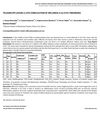
Hair loss can happen after severe H1N1 flu but usually grows back in 4 months.
4 citations
,
February 2019 in “BioMed Research International” Ebastine may promote hair regrowth by increasing cell growth through the ERK pathway.