
New cancer drugs can cause skin side effects like rashes, dry skin, hair changes, and nail problems.
 138 citations
,
February 2007 in “European journal of cancer”
138 citations
,
February 2007 in “European journal of cancer” EGFR inhibitors often cause skin problems and other side effects, but these are usually reversible and can be managed to keep patients comfortable.
39 citations
,
March 2009 in “Dermatology Online Journal” Erlotinib can cause persistent excessive hair growth.
 38 citations
,
February 2012 in “Supportive Care in Cancer”
38 citations
,
February 2012 in “Supportive Care in Cancer” Skin problems like acne, dry skin, and nail and hair changes are common in patients taking EGFR inhibitors.
38 citations
,
January 2011 in “PubMed” EGFR inhibitors often cause skin issues like acne and dryness, which can be managed with specific treatments.
36 citations
,
January 2012 in “Dermatology” Stopping gefitinib improved scalp condition in a woman with lung cancer.
 32 citations
,
January 2012 in “International Journal of Dermatology”
32 citations
,
January 2012 in “International Journal of Dermatology” Skin side effects from EGFR inhibitor cancer treatment can be managed effectively, often without stopping the medication.
 29 citations
,
September 2017 in “Oncology and therapy”
29 citations
,
September 2017 in “Oncology and therapy” The document provides advice on how to recognize and treat skin-related side effects of cancer drugs known as EGFR inhibitors.
 18 citations
,
July 2008 in “Current Oncology Reports”
18 citations
,
July 2008 in “Current Oncology Reports” EGFR cancer drugs often cause a rash, which can lead to distress and isolation, but may also improve outcomes for some cancer patients. Current treatments for the rash are limited, but a compound called menadione shows promise.
10 citations
,
January 2020 in “Biomedicine & Pharmacotherapy” XiaoZhenFang (XZF) can help prevent skin problems caused by certain cancer drugs.
7 citations
,
January 2023 in “Anti-Cancer Drugs” Early diagnosis and treatment of EGFR inhibitor-induced folliculitis decalvans can prevent permanent hair loss.
 3 citations
,
January 2011 in “Annals of Dermatology”
3 citations
,
January 2011 in “Annals of Dermatology” Blocking EGFR in skin cells doesn't majorly increase inflammation markers.
 August 2025 in “JEADV Clinical Practice”
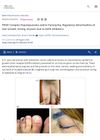
 PRIDE complex side effects from EGFR inhibitors can be managed without stopping treatment.
 February 2025 in “Journal of the European Academy of Dermatology and Venereology”
 Erosive pustular dermatosis of the scalp can occur about 17 weeks after starting EGFR inhibitors, and early minocycline may help manage it.
July 2024 in “Journal of Investigative Dermatology” ATR04-484 ointment shows promise for treating skin issues from cancer therapies.
 July 2023 in “Dermatology practical & conceptual”
 Some lung cancer patients treated with EGFR inhibitors may develop a hair loss condition similar to folliculitis decalvans.
 October 2021 in “Revista Medicina Cutánea Ibero-Latino-Americana”
 PRIDE syndrome helps identify skin side effects from EGFR inhibitors like erlotinib.
September 2019 in “Journal of Investigative Dermatology” EGFR and MEK inhibitors reduce PD-L1 in hair follicles, possibly causing inflammation.
 June 2011 in “Oncology times”
 Dr. Mario Lacouture recommends preventive and specific treatments for skin side effects caused by EGFR inhibitors to improve patients' quality of life.
July 2022 in “Journal of Investigative Dermatology”  October 2023 in “bioRxiv (Cold Spring Harbor Laboratory)”
 A protein called EGFR protects hair follicle stem cells, and when it's disrupted, hair follicles can be damaged, but blocking certain pathways can restore hair growth.
91 citations
,
April 2006 in “PubMed” EGFR-targeting cancer drugs can cause skin rashes and other side effects.
1 citations
,
September 2015 Gefitinib treatment led to unexpected hair growth in two lung cancer patients.
53 citations
,
January 2012 in “Developmental Biology” EGFR signaling is essential for ear cell regeneration in both birds and mammals.
32 citations
,
December 2019 in “The Journal of clinical investigation/The journal of clinical investigation” A protein called IL-36γ causes skin side effects from certain cancer treatments when combined with a common skin bacteria.
19 citations
,
September 2008 in “Journal of Cellular Physiology” Blocking EGFR can cause skin inflammation by disrupting IL-1 signaling.
8 citations
,
November 2024 in “EMBO Molecular Medicine” Targeting JAK-STAT1 can reduce inflammation and promote hair growth in conditions linked to EGFR deficiency.
July 2026 in “Frontiers in Oncology” EGFR inhibitors can cause skin eruptions different from acne, needing specific management.
December 2025 in “Clinical and Translational Science” EGFR inhibitors in breast cancer treatment can cause serious skin issues affecting patient quality of life.
 November 2023 in “The journal of investigative dermatology/Journal of investigative dermatology”
 Cancer treatment drugs can cause permanent hair loss by damaging hair follicle stem cells, but a specific inhibitor might reverse this effect.