 September 1998 in “JEADV. Journal of the European Academy of Dermatology and Venereology/Journal of the European Academy of Dermatology and Venereology”
 Hair changes could indicate neurological diseases and help monitor treatment.
July 2017 in “Chinese Journal of Dermatology” Dermoscopy is effective in diagnosing facial actinic keratosis using specific features.
 5 citations
,
April 2011 in “The Lancet”
5 citations
,
April 2011 in “The Lancet” Untreated congenital adrenal hyperplasia can lead to complications like stroke and needs glucocorticoid treatment.
 October 2025 in “BMC Pediatrics”
 Timely zinc treatment is crucial for preventing severe complications in Acrodermatitis enteropathica.
 3 citations
,
November 2018 in “Curēus”
3 citations
,
November 2018 in “Curēus” The cause and importance of misplaced oil glands in the hair follicle are not well understood.
 December 2025 in “Frontiers in Endocrinology”
 High chromogranin A levels are linked to obesity and inflammation in polycystic ovary syndrome.
October 2025 in “Dermatology Practical & Conceptual” Ultraviolet techniques help identify Grover’s Disease, which may be underdiagnosed in young people and females.
2 citations
,
August 2021 in “Animal Cells and Systems” Egfl6 is not needed for zebrafish face development.
Ethanol changes GABAA receptor α4 subunit levels through phosphorylation and neuroactive steroids.
 October 2013 in “Journal of the American College of Cardiology”
 People with non-dipper hypertension have higher aldosterone levels, more strain on their heart's venous system, and increased risk of endothelial dysfunction.
7 citations
,
April 2004 in “International Journal of Dermatology” The newborn's skin blistering is due to a genetic condition called epidermolytic hyperkeratosis.
 January 2025 in “Dermatology Review”
 Giant keratoacanthoma can look like squamous cell carcinoma, requiring careful diagnosis and surgical removal.
3 citations
,
July 2017 in “Journal of Investigative Dermatology” SSEA-4 can distinguish between eccrine and apocrine sweat gland ducts.
71 citations
,
February 1992 in “Journal of Cutaneous Pathology” Antibodies help identify glycoproteins in normal skin and tumor cells.
1 citations
,
October 2011 in “Hospital Pharmacy”  November 2010 in “Clin-Alert”
 Monitoring for adverse effects in clinical treatments is crucial.
3 citations
,
September 2022 in “European Journal of Dermatology” Gene sequencing is crucial for diagnosing Junctional epidermolysis bullosa.
 1 citations
,
November 1987 in “Journal of The American Academy of Dermatology”
1 citations
,
November 1987 in “Journal of The American Academy of Dermatology” Isotretinoin can raise CPK levels, so patients need monitoring, especially before surgery.
July 2004 in “Transplantation” Iron deficiency is common in kidney transplant patients, and while iron treatment helps, it can cause high red blood cell levels.
December 2022 in “The Turkish Journal of Pediatrics” Hair examination helps diagnose rare neurological diseases in children.
22 citations
,
March 2017 in “Journal of the Formosan Medical Association” The guidelines help doctors manage skin problems from certain cancer treatments to improve patients' lives.
April 2020 in “Journal of the Endocrine Society” Type 3 acromegaly patients have more health issues and higher death risk.
6 citations
,
October 1998 in “Experimental Dermatology” Normal skin results from interactions between EGF and the Tabby mutation.
 October 2024 in “Dermatologica Sinica”
 ECM changes may play a role in hair loss, with differences between males and females.
252 citations
,
November 1995 in “The EMBO Journal” Blocking EGFR in mice causes hair loss and skin changes.
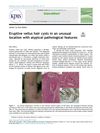 January 2018 in “The Kaohsiung journal of medical sciences”
 A young man had a rare case of hair cysts on his elbows, which was hard to diagnose and treat.
Alpha-ketoglutaric acid may help treat aging and age-related diseases.
 January 2023 in “Indian dermatology online journal”
 Leukemia can sometimes appear as unusual skin issues in children.
June 2024 in “Indian Journal of Veterinary Medicine” The young goat had anaplasmosis and copper deficiency.
24 citations
,
February 2011 in “The American journal of pathology” AIRE protein, defective in APECED patients, is found in skin and hair cells and interacts with cytokeratin 17.