5 citations
,
January 2025 in “Aesthetic Surgery Journal Open Forum” Sequential monopolar-bipolar radiofrequency improves skin regeneration and quality better than monopolar alone.
3 citations
,
May 2011 in “Facial plastic surgery clinics of North America” Laser treatments can effectively reduce fine wrinkles and improve skin texture.
2 citations
,
February 2018 Raman spectroscopy can help identify cancerous skin tissue during surgery.
2 citations
,
April 2011 in “InTech eBooks” Non-denatured soybean extracts provide multiple anti-aging skin benefits.
2 citations
,
October 2008 in “InTech eBooks” Non-denatured soybean extracts are effective for skin care, offering skin lightening, anti-aging, and UV protection benefits.
1 citations
,
April 2024 in “Journal of Drug Delivery Science and Technology” Microneedles combined with conventional therapies show promise in treating alopecia areata.
1 citations
,
April 2021 in “International Journal Of Medical Science And Clinical Invention” Microneedling with growth factors improves facial rejuvenation more than microneedling with saline.
June 2026 in “Annals of Clinical Pathology” Methylene blue, combined with ceramides, may reduce skin and hair side effects from GLP-1 therapy.
 May 2026 in “Journal of the Egyptian Womenʼs Dermatologic Society”
 Microneedling radiofrequency improves skin texture and tone by stimulating collagen and elastin.
 March 2026 in “Wiadomości Lekarskie”
 Psychological stress speeds up skin aging.
February 2026 in “Tạp chí Sức khỏe và Lão hóa” Hormones play a key role in skin aging, with estrogen and testosterone declines affecting skin health.
November 2024 in “Journal of Investigative Dermatology” Changes in hair follicle structure may help diagnose and monitor alopecia.
 October 2024 in “Benha Journal of Applied Sciences”
 Androgenetic alopecia is linked to aging due to inflammation, oxidative stress, and hormonal changes.
July 2023 in “AESTHETIC OROFACIAL SCIENCE” PDO threads improve skin firmness and elasticity with minimal recovery time.
 January 2023 in “International journal of dermatology, venereology and leprosy sciences”
 Microneedling is an effective and tolerable way to treat vitiligo.
 December 2022 in “Физиотерапия, бальнеология и реабилитация”
 Radiofrequency micro needling is effective for rejuvenating skin and reducing wrinkles.
 April 2019 in “Journal of Investigative Dermatology”
 DPP4-positive fibroblasts play a major role in producing proteins that lead to skin fibrosis.
January 2019 in “Elsevier eBooks” Skin aging helps us understand overall aging.
 March 2017 in “Trichology and cosmetology:”
 Cosmetic procedures can improve skin appearance and boost confidence.
December 2016 in “Experimental and Molecular Pathology” Mus pahari mice have fragile skin due to abnormal collagen and elastin.
 April 2016 in “Journal of Investigative Dermatology”
 Full thickness wounds on Lanyu pigs' skin resulted in abnormal skin structure and function due to changes in molecular expression patterns.
 December 2015 in “Focus on catalysts”
 Pomiferin may improve skin and scalp health by boosting important protein expression.
 January 1953 in “Nihon Chikusan Gakkaiho”
 Soaking calf skin in lime solution dissolves cells at different rates, with optimal dehairing after 4-7 days.
 11 citations
,
December 2010 in “Archives of Dermatology”
11 citations
,
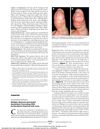
December 2010 in “Archives of Dermatology” A man with rare skin changes on his fingers was diagnosed with multiple myeloma-linked amyloidosis.
 9 citations
,
July 2010 in “British Journal of Dermatology”
9 citations
,
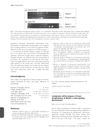
July 2010 in “British Journal of Dermatology” The document suggests a rare skin condition might be caused by a genetic phenomenon.
 2 citations
,
September 2004 in “International Journal of Cosmetic Science”
2 citations
,
September 2004 in “International Journal of Cosmetic Science” Hair quality is genetically determined and linked to its composition and strength.
 22 citations
,
June 1980 in “International Journal of Dermatology”
22 citations
,
June 1980 in “International Journal of Dermatology” The document concludes that correct diagnosis of alopecia types is crucial, scalp biopsies are important, and more research is needed.
July 2025 in “Journal of Investigative Dermatology” Collagen scaffolds in cell therapy can transform skin to be more resilient and pressure-responsive.
 2 citations
,
September 2023 in “Aging”
2 citations
,
September 2023 in “Aging” Elastic Net DNA methylation clocks are inaccurate for predicting age and health status; a "noise barometer" may better indicate aging and disease.
1 citations
,
January 1997 in “Skin Pharmacology and Physiology” Premature infants have less elastic hair than full-term infants.