1 citations
,
April 2024 in “Clinical Medicine” Timely diagnosis and aggressive treatment with high-dose steroids and B-cell depletion therapies are effective for severe acute cutaneous lupus.
 January 2025 in “PLoS ONE”
 ING5 is crucial for stem cell maintenance and preventing certain cancers.
232 citations
,
January 2002 in “Mechanisms of development” Different enzymes are active in different parts of developing mouse organs.
14 citations
,
December 2001 in “Journal of autoimmunity” Rats can develop an immune response to prion protein peptides, but it may cause severe skin issues in older rats.
 January 2024 in “Wiadomości Lekarskie”
 New markers can detect tumors, aid drug delivery, and treat cancer effectively and safely.
 2 citations
,
January 2020 in “BioMed Research International”
2 citations
,
January 2020 in “BioMed Research International” Phaeodactylum tricornutum extract helps hair follicle cells grow by activating the ERK1/2 pathway.
25 citations
,
November 2020 in “Proceedings of the National Academy of Sciences” HoxC genes are crucial for normal hair and nail development.
October 2022 in “Journal of pharmaceutical negative results” People with Alopecia areata have higher levels of certain T regulatory cells in their blood.
July 2024 in “Journal of Investigative Dermatology” IL-13 protein is much higher in the skin of atopic dermatitis patients than in healthy skin.
1 citations
,
January 2025 in “Journal of Cosmetic Dermatology” Inhibiting ACE2 improves skin regeneration during tissue expansion.
February 2021 in “INTERNATIONAL JOURNAL OF SCIENTIFIC RESEARCH” Low zinc and copper levels may indicate Telogen Effluvium.
 April 2024 in “Journal of ethnopharmacology”
 Ellagic acid may help regrow hair and prevent hair loss by activating a specific cell growth pathway.
January 2008 in “Lishizhen Medicine and Materia Medica Research” The root extract of Untica mairei Levl may help treat benign prostatic hyperplasia.
1 citations
,
October 2023 in “BMC Genomics” miRNAs in the Dlk1-Gtl2 region may improve lamb fur quality.
January 2018 in “Journal of Investigative Dermatology” Blocking certain pathways with kinase inhibitors may help treat cutaneous lupus erythematosus.
22 citations
,
February 2000 in “Journal of the American Academy of Dermatology” Eosinophils are not a reliable marker for diagnosing alopecia areata.
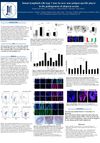
Innate lymphoid cells type 1 may contribute to alopecia areata by damaging hair follicles.
 February 2026 in “bonndoc (University of Bonn)”
 New gene variants were found for rare skin and hair disorders, improving understanding and treatment.
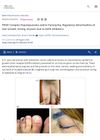 August 2025 in “JEADV Clinical Practice”
 PRIDE complex side effects from EGFR inhibitors can be managed without stopping treatment.
 38 citations
,
April 2017 in “PLOS Genetics”
38 citations
,
April 2017 in “PLOS Genetics” GRHL3 is important for controlling gene activity in skin cells during different stages of their development.
6 citations
,
May 2023 in “Dermatology Research and Practice” IL-15 and TNF-α levels are higher in alopecia areata patients, especially in alopecia totalis.
4 citations
,
February 2016 in “Experimental Dermatology” Blocking α1-integrin makes adult fibroblasts more like foetal ones, improving their movement and aiding wound healing.
 106 citations
,
March 2013 in “Nature Communications”
106 citations
,
March 2013 in “Nature Communications” A new genetic region, 17q21.31, is linked to higher ovarian cancer risk.
March 2010 in “European Journal of Cancer Supplements”  4 citations
,
May 2025 in “npj Parkinson s Disease”
4 citations
,
May 2025 in “npj Parkinson s Disease” PINK1 is important for controlling gut immune responses linked to early Parkinson's disease.
May 2025 in “Journal of Photochemistry and Photobiology B Biology” Blue LED light improves hair treatments for Caucasian and Asian hair but not for African hair.
1 citations
,
May 2023 in “Frontiers in Pharmacology” Genetic screening for NUDT15 polymorphisms is crucial for patients taking azathioprine, especially in Asians.
September 2025 in “OPAL (Open@LaTrobe) (La Trobe University)” Angiopoietin-1 helps hair follicle cells survive and grow, potentially treating hair loss.
ILC1-like cells may contribute to hair loss in alopecia areata and could be new treatment targets.
 4 citations
,
November 2018 in “Journal of Pharmaceutical and Biomedical Analysis”
4 citations
,
November 2018 in “Journal of Pharmaceutical and Biomedical Analysis” Roselle flower extracts can protect against free radical damage in UV-irradiated antibiotics.