 November 2021 in “International journal of research - granthaalayah”
 The document suggests that human hair has electrical charges because of a gap in nerve cell coverage that affects electromagnetic radiation.
Prussian Blue causes hair cuticles to detach, weakening the hair.
 3 citations
,
January 2017 in “Stem Cells International”
3 citations
,
January 2017 in “Stem Cells International” Adult mesenchymal stem cells can help regenerate tissues and are promising for healing bones, wounds, and hair follicles.

Low-level laser therapy is the most effective for hair loss, but other treatments also show promise.
July 2025 in “Carolina Digital Repository (University of North Carolina at Chapel Hill)” Low-level laser therapy is the most supported non-drug treatment for hair loss, but combining it with other methods may be promising.
March 2022 in “Book Publisher International (a part of SCIENCEDOMAIN International)” Human hair has bipolar electrical charges due to gaps in the hair follicle's electromagnetic fields.
 2 citations
,
June 2020 in “International Journal of Research -GRANTHAALAYAH”
2 citations
,
June 2020 in “International Journal of Research -GRANTHAALAYAH” Human hair follicles' biomagnetic fields might contribute to migraines.
1 citations
,
November 2016 in “Experimental and Therapeutic Medicine” Low-dose 800 nm laser effectively treats blackheads and coarse pores without harming cell growth.
 22 citations
,
February 2008 in “Journal of Dermatological Science”
22 citations
,
February 2008 in “Journal of Dermatological Science” EPR spectroscopy showed that spontaneous hair growth results in thicker skin and less pigmented hair than depilation-induced growth.
 April 2018 in “Journal of Investigative Dermatology”
 The conclusion is that a new method combining magnetic tweezers and traction force microscopy may help understand skin cell interactions and diseases.
 2 citations
,
June 2020 in “Skin Research and Technology”
2 citations
,
June 2020 in “Skin Research and Technology” MRI reveals thinner scalps and smaller hair follicles in people with androgenetic alopecia.
 13 citations
,
January 2013 in “Applied and Environmental Microbiology”
13 citations
,
January 2013 in “Applied and Environmental Microbiology” A gene in Sebekia benihana, CYP-sb21, is needed for a specific reaction on the drug Cyclosporine A, which could be important for hair growth without affecting the immune system.
 1 citations
,
July 2023 in “Nature communications”
1 citations
,
July 2023 in “Nature communications” MOF controls key genes for skin development by regulating mitochondrial and ciliary functions.
 1 citations
,
April 2020 in “Magnetic Resonance in Medical Sciences”
1 citations
,
April 2020 in “Magnetic Resonance in Medical Sciences” MRI helps evaluate androgenetic alopecia severity.
 33 citations
,
December 2012 in “NMR in Biomedicine”
33 citations
,
December 2012 in “NMR in Biomedicine” Microencapsulation helps protect and track therapeutic cells, showing promise for treating various diseases, but more work is needed to improve the technology.
 10 citations
,
May 2020 in “Journal of proteome research”
10 citations
,
May 2020 in “Journal of proteome research” Explosions don't stop hair proteins from being used to identify people.
 2 citations
,
December 2008 in “Clinical and Experimental Dermatology”
2 citations
,
December 2008 in “Clinical and Experimental Dermatology” A small forehead lesion led to the discovery of a significant brain arteriovenous malformation in a young girl.
 March 2025 in “Stem Cell Research & Therapy”
 A new microneedle treatment could effectively regrow hair in androgenic alopecia.
 21 citations
,
September 2011 in “Journal of Pharmaceutical Sciences”
21 citations
,
September 2011 in “Journal of Pharmaceutical Sciences” Desolvation of finasteride depends on environment and technique.
December 2025 in “Molecules” A new method effectively detects trace sex hormones in cosmetics, ensuring safety.
 January 2021 in “American journal of dermatological research and reviews”
 The muscle damage was caused by T-cell large granular lymphocytic leukemia, not dermatomyositis.
January 2023 in “Indian Dermatology Online Journal” Uncombable hair syndrome is linked to Zellweger syndrome.
35 citations
,
February 2024 in “Science Advances” Magnetic fields help create complex 3D soft structures for biomedical use.
 44 citations
,
February 2016 in “Science”
44 citations
,
February 2016 in “Science” Researchers developed a new type of memory using antiferromagnets that is stable, not disrupted by magnets, and works at room temperature.
 April 2019 in “Journal of Investigative Dermatology”
 Non-coding RNA boosts retinoic acid production and signaling, aiding regeneration.
 2 citations
,
October 2018 in “The journal of pediatrics/The Journal of pediatrics”
2 citations
,
October 2018 in “The journal of pediatrics/The Journal of pediatrics” The document concludes that specific hair and blood vessel abnormalities in infants with seizures and developmental issues may indicate Menkes disease, which lacks a cure and is often fatal by age 3.
 2 citations
,
August 2021 in “Journal of pharmaceutical research international”
2 citations
,
August 2021 in “Journal of pharmaceutical research international” Fenugreek seed extract in a nanoparticle gel could be a promising new treatment for hair loss.
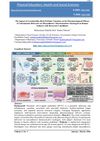 January 2026 in “Physical Education Health and Social Sciences”
 Combining probiotics, clotrimazole gel, and laser therapy improves treatment for recurrent yeast infections.
 January 2024 in “Wiadomości Lekarskie”
 Multiomics is revolutionizing biology by enabling breakthroughs in research and disease diagnosis.
 February 2025 in “Ciencia Latina Revista Científica Multidisciplinar”
 Finasteride can help with hair loss and prostate issues but may negatively affect mood and the nervous system.