175 citations
,
January 1995 in “Birkhäuser Basel eBooks” Human hair growth and structure are influenced by keratin proteins, genes, melanin, and lipids.
33 citations
,
March 2015 in “Experimental Dermatology” LHX2 and SOX9 identify unique hair follicle cell groups, crucial for hair maintenance.
24 citations
,
January 1989 Human papilla cells from hair follicles show unique growth behaviors but don't induce hair growth in vitro.
38 citations
,
December 2006 in “Journal of Investigative Dermatology” Keratin patterns in hair follicles help understand hair growth and potential hair and nail disorders.
29 citations
,
August 1999 in “Journal of Investigative Dermatology” New mutations in hair keratin genes cause the rare hair disorder monilethrix.
July 2026 in “Journal of Investigative Dermatology” 18 citations
,
November 2005 in “Archives of Dermatological Research” 78 citations
,
May 2012 in “Journal of Investigative Dermatology” A specific gene mutation causes woolly hair and hair loss.
 November 2025 in “Communications Biology”
 Human hair contains many different molecules that change along its length, influenced by personal care products.
22 citations
,
January 2010 in “Clinical Medicine Insights Endocrinology and Diabetes” Forearm hair has more cortisol than lower leg hair.
Recognizing bamboo hair helps diagnose Netherton’s syndrome.
29 citations
,
July 2003 in “Experimental Dermatology” The upper hair follicle is stable, while the lower part allows movement during hair growth.
 12 citations
,
February 2006 in “Lipids”
12 citations
,
February 2006 in “Lipids” Hair texture changes with age due to varying levels of lipids.
January 2006 in “Chinese Journal of Dermatology” Amelanotic melanocytes from hair follicles are immature and likely don't transfer melanosomes to keratinocytes.
161 citations
,
August 2012 in “Seminars in cell & developmental biology” Hair growth and development are controlled by specific signaling pathways.
86 citations
,
June 1998 in “Journal of Investigative Dermatology” The hairless gene mutation causes baldness by disrupting hair follicle structure.
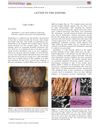 1 citations
,
February 2018 in “Australasian journal of dermatology”
1 citations
,
February 2018 in “Australasian journal of dermatology” Advanced imaging techniques are crucial for accurately diagnosing Monilethrix, a rare hair disorder.
19 citations
,
May 2016 in “Matrix Biology” Deleting a specific protein in skin cells disrupts normal hair growth and development.
26 citations
,
January 1964 in “Experimental Cell Research” December 2025 in “ILDS-DEV”  38 citations
,
June 2003 in “Journal of Investigative Dermatology Symposium Proceedings”
38 citations
,
June 2003 in “Journal of Investigative Dermatology Symposium Proceedings” Accurate clinical, histological, and genetic methods are key for understanding and treating hair disorders.
5 citations
,
January 2005 in “PubMed” Apoptosis is important in the hair cycle of dogs.
 January 1991 in “Journal of Society of Cosmetic Chemists of Japan”
 Hair treatments can damage hair by changing its chemical content.
7 citations
,
March 2003 in “Journal de Physique IV (Proceedings)” Calcium soaps are present in human hair and can be removed with acid.
 2 citations
,
November 2024 in “PeerJ”
2 citations
,
November 2024 in “PeerJ” Long non-coding RNAs play a role in hair growth stages of Hetian sheep, affecting wool quality.
3 citations
,
January 1989 in “The Nishinihon Journal of Dermatology” A hair cyst can become cancerous, showing specific keratins from the hair sheath.
 107 citations
,
December 2013 in “International Journal of Dermatology”
107 citations
,
December 2013 in “International Journal of Dermatology” The document concludes that hair is complex, with a detailed growth cycle, structure, and clinical importance, affecting various scientific and medical fields.
46 citations
,
November 1998 in “Experimental Cell Research” K15 gene is mainly active in the basal layers of hair follicles and epithelia, aiding early skin cell development.
20 citations
,
January 1997 in “Dermatology” The patient with EEC syndrome had scarring alopecia due to deep folliculitis, possibly linked to abnormal hair structure.
 June 2022 in “Pflügers Archiv - European Journal of Physiology”
 The enzyme sEH is important for hair growth and its inhibition could help treat hair loss.