 21 citations
,
January 1988 in “Stress Medicine”
21 citations
,
January 1988 in “Stress Medicine” Stress affects skin health and emotional well-being should be considered in skin disease treatment.
 3 citations
,
September 2022 in “Frontiers in psychiatry”
3 citations
,
September 2022 in “Frontiers in psychiatry” University students in Egypt experienced high stress during COVID-19's third wave, with negative coping mechanisms being more common.
 1 citations
,
September 2012 in “TURKDERM”
1 citations
,
September 2012 in “TURKDERM” Stress may affect alopecia areata, but it's not a confirmed trigger.
 May 2026 in “International Journal of Homoeopathic Sciences”
 Individualized homeopathy improved hair health and emotional well-being in a woman with stress-related hair loss.
April 2025 in “International Journal of Homoeopathic Sciences” Homeopathy helped treat alopecia totalis by addressing emotional stress and immune support.
 67 citations
,
March 2021 in “Dermatology and Therapy”
67 citations
,
March 2021 in “Dermatology and Therapy” Alopecia areata greatly harms quality of life, causing emotional and social issues.
May 2026 in “Acta Dermato Venereologica” Stress is often linked to alopecia areata, and education can help patients cope better.
March 2008 in “Hair transplant forum international” Managing stress can improve hair restoration results.
 19 citations
,
January 2013 in “Journal of Cutaneous Medicine and Surgery”
19 citations
,
January 2013 in “Journal of Cutaneous Medicine and Surgery” Alopecia patients struggle with emotions and stress, and improving emotional intelligence may help manage hair loss.
 185 citations
,
August 2005 in “Autoimmunity Reviews”
185 citations
,
August 2005 in “Autoimmunity Reviews” Alopecia areata is an autoimmune condition causing hair loss due to the immune system attacking hair follicles, often influenced by genetics and stress.
 32 citations
,
October 2009 in “Dermatology”
32 citations
,
October 2009 in “Dermatology” Telogen effluvium is a hair loss condition with acute cases resolving quickly and chronic cases potentially lasting longer, sometimes requiring treatment.
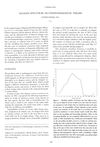 13 citations
,
May 1993 in “International Journal of Dermatology”
13 citations
,
May 1993 in “International Journal of Dermatology” The paper suggests that telogen effluvium, a type of hair loss, may be a long-lasting condition triggered by stress or illness in people whose hair growth is unusually synchronized.
 10 citations
,
January 2017 in “Skin appendage disorders”
10 citations
,
January 2017 in “Skin appendage disorders” Emotional stress can trigger intermittent hair loss in chronic telogen effluvium, which may not improve with treatment if stress continues.
 7 citations
,
September 2021 in “Anais Brasileiros De Dermatologia”
7 citations
,
September 2021 in “Anais Brasileiros De Dermatologia” COVID-19 can cause temporary hair loss, often starting around 7-8 weeks after recovery, with factors like Vitamin D deficiency, other diseases, medication, and stress potentially contributing.
 5 citations
,
February 2014 in “PubMed”
5 citations
,
February 2014 in “PubMed” Hair loss in Telogen effluvium is often chronic, linked to stress, and lacks a confirmed treatment, but topical corticosteroids may be used.
4 citations
,
January 2020 in “Indian dermatology online journal” Lichen simplex chronicus on the scalp can be diagnosed by specific hair and skin signs and treated with corticosteroids and therapy.
 1 citations
,
December 2013 in “Journal of Evolution of Medical and Dental Sciences”
1 citations
,
December 2013 in “Journal of Evolution of Medical and Dental Sciences” Alopecia areata causes patchy hair loss due to unknown factors, affecting all ages and genders.
 1 citations
,
June 2007 in “Journal of Oral and Maxillofacial Surgery”
1 citations
,
June 2007 in “Journal of Oral and Maxillofacial Surgery” A woman experienced temporary hair loss after jaw surgery due to the stress of the operation.
 1 citations
,
November 1963 in “JAMA”
1 citations
,
November 1963 in “JAMA” Timely diagnosis and active treatment improve outcomes for massive pulmonary embolism.
 June 2026 in “Quality in Sport”
 Premature hair graying has many causes, but no cure yet.
 October 2022 in “Pediatric Dermatology”
 Most children with rapid hair loss had a known cause, with stress and illness being top triggers, and treatments showed similar improvement.
 October 2022 in “Research, Society and Development”
 Hair loss is a symptom of long COVID and can be treated with a protein-rich diet.
 June 2022 in “Research, Society and Development”
 COVID-19 may cause increased hair loss, but the exact reason is unclear and standard hair loss treatments are recommended.
January 2015 in “Rawal Medical Journal” Telogen effluvium is the main cause of hair loss in women in Karak, followed by androgenetic alopecia.
August 2009 in “Belarusian State Pedagogical University repository (Belarusian State Pedagogical University)” Alopecia areata in children is often linked to genetics, autoimmune issues, and stress, and is treated with corticoids or PUVA therapy.
 January 2008 in “Journal of The American Academy of Dermatology”
 Hair loss affects 20% of people, more in men and those over 35, and is often associated with a sensitive scalp.
 January 2008 in “Journal of The American Academy of Dermatology”
 A nonchemical lotion was found effective in killing head lice and their eggs in most people, indicating it could be useful for managing head lice.
 March 2018 in “Nepal journal of dermatology, venereology & leprology”
 Hair loss linked to prostate enlargement; stress and family history important factors.
 July 2022 in “Nigerian journal of medicine : journal of the National Association of Resident Doctors of Nigeria”
 Androgenetic Alopecia (AGA) greatly lowers quality of life, causing stress and low self-esteem, with those seeking treatment experiencing more impairment.
1 citations
,
January 2022 in “Dermatology Research and Practice” Androgenetic alopecia negatively affects self-esteem and daily stress, especially in young men.