 April 2018 in “Journal of Investigative Dermatology”
 Basonuclin 1 (BNC1) helps skin cells multiply and move, which is crucial for wound healing.
ILC1-like cells may contribute to hair loss in alopecia areata and could be new treatment targets.
 June 2023 in “British journal of dermatology/British journal of dermatology, Supplement”
 A girl with Becker naevus syndrome has a genetic variant in the ACTB gene related to her symptoms.
November 2024 in “Journal of Investigative Dermatology” Nerve fibers may worsen mast cell activity, leading to abnormal elastic fiber buildup from sun exposure.
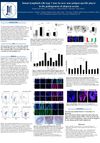
Innate lymphoid cells type 1 may contribute to alopecia areata by damaging hair follicles.
16 citations
,
February 2013 in “Molecular Medicine Reports” CD34+ cells from fat tissue help form hair follicles and blood vessels in skin.
550 citations
,
December 2005 in “The Journal of clinical investigation/The journal of clinical investigation” Researchers successfully isolated and identified key markers of stem cell-enriched human hair follicle bulge cells.
 39 citations
,
July 2015 in “British Journal of Dermatology”
39 citations
,
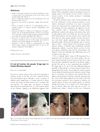
July 2015 in “British Journal of Dermatology” The pseudo 'fringe sign' can also appear in frontal fibrosing alopecia, not just in traction alopecia, showing that this condition may be more common than thought.

The 1550 nm fractional Er:Glass laser improved hair regrowth in patients with androgenic alopecia, but didn't significantly change collagen type I, skin fibroblasts, or macrophages. More research is needed for optimal results.
 87 citations
,
September 2019 in “Nature Communications”
87 citations
,
September 2019 in “Nature Communications” SOX11 and SOX4 help skin cells act like embryonic cells to heal wounds in mice.
June 2026 in “Strathprints: The University of Strathclyde institutional repository (University of Strathclyde)” Topical IKKα inhibitors may help prevent CCS tumours.
561 citations
,
April 2003 in “Journal of Investigative Dermatology” CD34 is a marker for isolating stem-like cells in mouse hair follicles.
January 2026 in “Medicina” CD34 is absent in most basal cell carcinoma cells but present in surrounding skin.
5 citations
,
January 2024 in “Science Advances” Touch dome keratinocytes in adult skin have traits of different skin cell types.
 May 2022 in “Research Square (Research Square)”
 Nestin marks cells that can become a specific type of skin cell in hair follicles of both developing and adult mice.
 1 citations
,
January 2024 in “Advanced science”
1 citations
,
January 2024 in “Advanced science” Fibronectin-attached cell sheets improve wound healing and are safe and effective.
1 citations
,
January 2020 in “Indian journal of dermatology, venereology, and leprology” CD117 and platelet-derived growth factor receptor α may play a role in alopecia areata.
8 citations
,
October 2022 in “Biomedical Materials” Researchers made progress in creating skin with hair by integrating special cell clusters.
 July 2025 in “International Journal of Molecular Sciences”
 Blocking CXCL12 can reverse hair loss and fibrosis in androgenetic alopecia.
20 citations
,
July 1987 in “Development Genes and Evolution”  1 citations
,
November 1983 in “The Lancet”
1 citations
,
November 1983 in “The Lancet” Acute leukemias with the Philadelphia chromosome may be biphenotypic, and identifying this is important for proper treatment.
 2 citations
,
November 2015 in “Actas Dermo-Sifiliográficas”
2 citations
,
November 2015 in “Actas Dermo-Sifiliográficas” The document suggests a possible link between mast cells and scarring alopecia, recommending more research for potential treatments.
46 citations
,
November 2014 in “Journal of Cutaneous Pathology” Recognizing diverse presentations of folliculotropic mycosis fungoides is crucial to avoid diagnostic errors.
 May 2024 in “International Seven Journal of Multidisciplinary”
 More research is needed to better understand and treat Fibrosing Frontal Alopecia.
August 2019 in “Journal of the American Academy of Dermatology” Frontal fibrosing alopecia may be caused by an autoimmune reaction and hormonal imbalance.
39 citations
,
October 2012 in “Familial cancer” New therapies for Birt–Hogg–Dubé syndrome are being developed based on understanding the FLCN gene's role.
27 citations
,
December 2005 in “Journal of Cutaneous Pathology” The malignant pilomatricoma showed strong epithelial keratin expression, suggesting it may not calcify.
85 citations
,
January 2018 in “Cell stem cell” Different signals work together to change gene activity and guide hair follicle stem cells to become specific cell types.
 32 citations
,
January 2017 in “Orphanet journal of rare diseases”
32 citations
,
January 2017 in “Orphanet journal of rare diseases” FOXN1 gene mutations cause a rare, severe immune disease treatable with cell or tissue transplants.
11 citations
,
July 2022 in “Frontiers in Immunology” Four specific genes are linked to keloid formation and could be potential treatment targets.