29 citations
,
June 2015 in “Kidney International” Disrupting the Flcn gene in mice causes early kidney cysts and tumors, which can be treated with rapamycin.
 51 citations
,
June 2016 in “Journal of the European Academy of Dermatology and Venereology”
51 citations
,
June 2016 in “Journal of the European Academy of Dermatology and Venereology” Tofacitinib was effective in treating hair loss in two patients with alopecia universalis.
 2 citations
,
April 2023 in “JEADV. Journal of the European Academy of Dermatology and Venereology/Journal of the European Academy of Dermatology and Venereology”
2 citations
,
April 2023 in “JEADV. Journal of the European Academy of Dermatology and Venereology/Journal of the European Academy of Dermatology and Venereology” JAK-inhibitors for alopecia areata are generally safe with mostly mild side effects and a low rate of treatment withdrawal.
July 2025 in “SKIN The Journal of Cutaneous Medicine” Ritlecitinib effectively improves hair regrowth and physician satisfaction in severe alopecia areata over time.
 March 2026 in “Journal of Pakistan Association of Dermatologists”
 Tofacitinib helps hair regrowth in alopecia areata but relapse is common after stopping treatment.
November 2023 in “Journal of Investigative Dermatology” JAK inhibitors are effective and generally safe for treating alopecia areata, but monitoring for side effects is important.
December 2024 in “JDDG Journal der Deutschen Dermatologischen Gesellschaft” Deucravacitinib helped a man regrow hair significantly.
June 2026 in “Strathprints: The University of Strathclyde institutional repository (University of Strathclyde)” Topical IKKα inhibitors may help prevent CCS tumours.
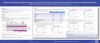 November 2024 in “SKIN The Journal of Cutaneous Medicine”
 Ritlecitinib effectively promotes hair regrowth in severe and very severe alopecia areata.
December 2025 in “Actas Dermo-Sifiliográficas” Ritlecitinib is effective and safe for treating severe alopecia areata in people aged 12 and older.
 December 2022 in “Pakistan Journal of Medical and Health Sciences”
 Tofacitinib effectively treats Alopecia Areata.
 June 2023 in “Journal of Clinical Oncology”
 CDK4/6 inhibitors may cause hair loss in breast cancer patients.
 40 citations
,
December 2016 in “Journal of Dermatological Treatment”
40 citations
,
December 2016 in “Journal of Dermatological Treatment” JAK inhibitors show promise for treating skin and hair disorders but need more research on long-term safety and effectiveness.
 2 citations
,
June 2019 in “Boletín médico del Hospital Infantil de México”
2 citations
,
June 2019 in “Boletín médico del Hospital Infantil de México” Tofacitinib treatment is used for teenagers with alopecia areata.
91 citations
,
April 2006 in “PubMed” EGFR-targeting cancer drugs can cause skin rashes and other side effects.
 September 2022 in “Journal of the American Academy of Dermatology”
 The registry showed that tofacitinib is promising for treating hair loss in children with alopecia areata, but more research is needed.
May 2025 in “CPT Pharmacometrics & Systems Pharmacology” A 50 mg non-loading dose of ritlecitinib is safe for adults and adolescents.
 April 2024 in “Clinical and experimental dermatology”
 Tofacitinib is effective for severe alopecia areata, similar to oral betamethasone.
 November 2025 in “Mendeley Data”
 JAK inhibitors can be safely used for alopecia areata in patients with latent hepatitis B or stable tuberculosis with proper monitoring.
 June 2018 in “Reactions Weekly”
 A 65-year-old man developed a serious skin cancer linked to a drug he was taking for a fungal infection after a bone marrow transplant.
 1 citations
,
December 2021 in “JAAD case reports”
1 citations
,
December 2021 in “JAAD case reports” A woman with severe hair loss saw significant hair regrowth after adding platelet-rich plasma injections to her treatment with tofacitinib.
January 2025 in “Dermatologic Therapy” Baricitinib works better for alopecia areata in patients not previously treated with tofacitinib.
 8 citations
,
October 2022 in “Dermatology practical & conceptual”
8 citations
,
October 2022 in “Dermatology practical & conceptual” Tofacitinib and ruxolitinib are effective and safe for treating various autoimmune skin and joint disorders.
 1 citations
,
January 2023 in “Cutis”
1 citations
,
January 2023 in “Cutis” You might not need to stop cancer treatment if you get a rare skin reaction from EGFR inhibitors, as skin treatments can help manage it.
4 citations
,
March 2007 in “British Journal of Dermatology” Gefitinib therapy can cause unusual hair growth on the nose.
 September 2025 in “Journal of the Pakistan Medical Association”
 Tofacitinib effectively and safely promotes hair regrowth in alopecia patients.
2 citations
,
September 2024 in “Expert Opinion on Drug Metabolism & Toxicology” Ritlecitinib is an effective new treatment for Alopecia Areata.
4 citations
,
January 2020 in “PubMed” JAK inhibitors may become the first approved treatment for alopecia areata if they are proven safe and effective.
 November 2025 in “Mendeley Data”
 JAK inhibitors can be safely used in alopecia areata patients with latent hepatitis B or tuberculosis, with proper monitoring.
Biorregulatory therapy significantly improved the dog's health, reversing previous issues and eliminating the need for ongoing medication.