 8 citations
,
May 1941 in “Science”
8 citations
,
May 1941 in “Science” Mouse embryos can develop in chick embryos, but they grow smaller with some organ issues.
1 citations
,
April 2025 in “American Journal of Medical Genetics Part C Seminars in Medical Genetics” Eflornithine improved symptoms in Bachmann–Bupp Syndrome patients.
Androgens increase norepinephrine release, promoting smooth muscle growth in male sex organs, which may contribute to benign prostatic hypertrophy.
 10 citations
,
January 2013 in “Stem Cells and Development”
10 citations
,
January 2013 in “Stem Cells and Development” Scientists identified a unique type of human skin stem cell that could help with tissue repair.
Older Julia Creek dunnarts often have reproductive and hormonal health issues.
 October 2023 in “Journal of the Endocrine Society”
 Estetrol helps keep scalp hair in the growth phase longer and improves hair follicle health by affecting the hair root and increasing stem cells.
2 citations
,
December 2020 in “Developmental cell” Chemotherapy drugs can cause abnormal growth and changes in healthy skin and gland cells.
 13 citations
,
September 2010 in “Journal of Dermatological Science”
13 citations
,
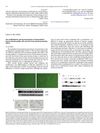
September 2010 in “Journal of Dermatological Science” Researchers made a cell line that grows quickly and can help with hair growth research.
June 2014 in “Biotechnology and Bioprocess Engineering” Injecting lab-grown hair cells into the scalp can regrow hair.
 6 citations
,
April 2010 in “Cellular Reprogramming”
6 citations
,
April 2010 in “Cellular Reprogramming” Pig skin cells can turn into mesodermal cells but lose their ability to become neural cells.
 March 2026 in “Calcified Tissue International”
 The EDA pathway plays a key role in bone development by interacting with other signaling pathways.
 26 citations
,
October 2014 in “Andrologia”
26 citations
,
October 2014 in “Andrologia” Infertile men are more likely to produce sperm with abnormal chromosome numbers, which can affect pregnancy success and embryo health.
7 citations
,
November 1997 in “Reproduction Fertility and Development” Epidermal growth factor disrupts hair and gland formation in bandicoots.
July 2025 in “Journal of Investigative Dermatology” Nelfb is essential for dermal fat development and survival.
2 citations
,
October 2023 in “PubMed” Scientists created a cell model to study and find treatments for a skin disease called RDEB.
 December 2025 in “EMBO Reports”
 Cells communicate with neighbors to coordinate their development.
1 citations
,
January 2025 in “Reproductive Biology and Endocrinology” Cell-free fat extract may boost IVF success in older women with past failures.
9 citations
,
September 2022 in “Journal of Clinical Investigation” Replacing defective mesenchymal cells with normal ones fixes thymic growth issues in 22q11.2DS mouse models.
 29 citations
,
March 2016 in “Cell cycle/Cell cycle (Georgetown, Tex. Online)”
29 citations
,
March 2016 in “Cell cycle/Cell cycle (Georgetown, Tex. Online)” Isoproterenol helps hair follicle stem cells turn into beating heart muscle cells.
34 citations
,
October 1975 in “Biochimica et Biophysica Acta (BBA) - Nucleic Acids and Protein Synthesis” January 2020 in “Stem Cells” July 2025 in “Journal of Investigative Dermatology” Hhip-Cre effectively targets dermal papilla cells for gene manipulation in hair biology.
 February 2016 in “The journal of allergy and clinical immunology/Journal of allergy and clinical immunology/The journal of allergy and clinical immunology”
 A new TP63 mutation was found in a baby with EEC syndrome, showing the need for TREC testing to check for immune issues.
43 citations
,
December 2006 in “The American journal of pathology” Edar signaling is crucial for controlling hair growth and regression.
8 citations
,
March 2009 in “Differentiation” Adult vibrissa follicle stem cells can regenerate hair follicles, glands, and skin.
 1 citations
,
May 2026 in “bioRxiv (Cold Spring Harbor Laboratory)”
1 citations
,
May 2026 in “bioRxiv (Cold Spring Harbor Laboratory)” UT-018 speeds up wound healing and boosts hair growth in mice.
 September 2022 in “bioRxiv (Cold Spring Harbor Laboratory)”
 Removing Mediator 1 causes teeth cells to turn into hair cells.
 February 2026 in “Journal of Drugs in Dermatology”
 Dupilumab helped a 13-year-old regrow hair after alopecia totalis.
47 citations
,
January 1998 in “Molecular Carcinogenesis” ErbB2 signaling is crucial for skin cell growth and cancer development in mice.