 1 citations
,
August 2021 in “Dermatologic Surgery”
1 citations
,
August 2021 in “Dermatologic Surgery” Robotic systems in hair transplant surgery are safe, reliable, and as efficient as manual methods, with high patient satisfaction.
 15 citations
,
January 1999 in “Archives of Facial Plastic Surgery”
15 citations
,
January 1999 in “Archives of Facial Plastic Surgery” Advancements in hair transplantation have resulted in more natural-looking hair and increased patient satisfaction.
 96 citations
,
April 2007 in “Journal of Investigative Dermatology”
96 citations
,
April 2007 in “Journal of Investigative Dermatology” Grafted rodent and human cells can regenerate hair follicles, but efficiency decreases with age.
 September 2018 in “Journal of Investigative Dermatology”
 Non-white organ transplant patients have worse skin cancer outcomes due to later diagnosis and treatment.
 April 2020 in “Journal of Cosmetic and Laser Therapy”
 Optimal transplant density for Chinese male hair loss patients is 35-50 hair/cm², with minimum 106.88 hair/cm² left in donor area for esthetic satisfaction.
 23 citations
,
December 2015 in “Anais Brasileiros de Dermatologia”
23 citations
,
December 2015 in “Anais Brasileiros de Dermatologia” Permanent hair loss after bone marrow transplant can be caused by chemotherapy or chronic graft-versus-host disease.
 July 2024 in “Journal of Investigative Dermatology”
 A single medium, PRIME AIRLIFT, supports better human hair follicle formation in grafts.
 39 citations
,
January 2016 in “Journal of Cutaneous and Aesthetic Surgery”
39 citations
,
January 2016 in “Journal of Cutaneous and Aesthetic Surgery” Injecting platelet-rich plasma during hair transplant surgery improves hair regrowth rate, speeds up skin recovery, and enhances hair quality.
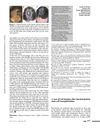 May 2018 in “European Journal of Dermatology”
 Adjusting the medication tacrolimus resolved a boy's red nail beds after a stem cell transplant.
 4 citations
,
May 2017 in “Hair transplant forum international”
4 citations
,
May 2017 in “Hair transplant forum international” Using implanters in hair transplants can improve outcomes and cause less damage to hair follicles.
 1 citations
,
January 2008 in “Hair transplant forum international”
1 citations
,
January 2008 in “Hair transplant forum international” The document could not be processed to provide a conclusion.
 April 2023 in “Egyptian journal of Immunology”
 10% hPL is best for growing mesenchymal stem cells, while 10% FBS is best for hepatocytes.
 17 citations
,
May 2003 in “Journal of The American Academy of Dermatology”
17 citations
,
May 2003 in “Journal of The American Academy of Dermatology” Hair from balding and non-balding areas regrows similarly on mice.
 3 citations
,
September 2010 in “International Society of Hair Restoration Surgery”
3 citations
,
September 2010 in “International Society of Hair Restoration Surgery” Balancing artistic design and precision improves hair transplant results.
Gingerol may help treat chronic graft-versus-host disease by improving immune cell balance.
88 citations
,
January 2010 in “Escritura pública” A combined strip and FUE method with careful planning improves hair restoration results.
2 citations
,
October 2019 in “Nanomedicine” Pharmaceutical care in transplantation faces challenges but has promising future opportunities for better outcomes.
3 citations
,
November 2023 in “Pediatric Transplantation” Topical treatments and skin care improve transplant-related atopic dermatitis in children.
March 2025 in “JAAD International” Alopecia areata is rare in organ transplant patients and may be linked to the drug tacrolimus.
December 2025 in “Frontiers in Nutrition” The albumin change rate helps predict treatment success in AIDS-related non-Hodgkin lymphoma.
52 citations
,
October 2007 in “Molecular Therapy” Injecting lentiviral vectors into early gestation mice effectively targets skin stem cells for potential gene therapy.
 13 citations
,
October 2002 in “Journal of Investigative Dermatology”
13 citations
,
October 2002 in “Journal of Investigative Dermatology” The upper half of a human hair follicle can grow a new hair in a mouse, but success is rare.
March 1996 in “The American Journal of Cosmetic Surgery” The technique offers natural-looking hair transplants with minimal bleeding.
Preserving intact follicular units improves hair transplant success.
 2 citations
,
January 2015 in “Hair transplant forum international”
2 citations
,
January 2015 in “Hair transplant forum international” Using human recombinant hyaluronidase in donor strip harvesting may improve the procedure.
1 citations
,
June 2018 in “Open Access Macedonian Journal of Medical Sciences” Recycling hair from past transplants can improve hair density and patient satisfaction.
 November 2024 in “BMC Surgery”
 Follicular unit extraction is an effective and minimally invasive treatment for male hair loss.
 15 citations
,
September 2007 in “Cell & tissue research/Cell and tissue research”
15 citations
,
September 2007 in “Cell & tissue research/Cell and tissue research” Embryonic and adult stem cells are valuable for improving skin grafts and cell therapy.
 3 citations
,
April 2020 in “Facial Plastic Surgery Clinics of North America”
3 citations
,
April 2020 in “Facial Plastic Surgery Clinics of North America” Beard hair transplantation is generally satisfying, requires 250-800 grafts, uses FUE to avoid scars, needs careful planning, has some risks, and hair regrowth starts after 4-6 months.
 39 citations
,
September 2011 in “Tissue Engineering Part B-reviews”
39 citations
,
September 2011 in “Tissue Engineering Part B-reviews” Hair follicle regeneration in skin grafts may be possible using stem cells and tissue engineering.