FoxA is crucial for pharynx regeneration in planarian flatworms.
 February 2016 in “The journal of allergy and clinical immunology/Journal of allergy and clinical immunology/The journal of allergy and clinical immunology”
 A new TP63 mutation was found in a baby with EEC syndrome, showing the need for TREC testing to check for immune issues.
1 citations
,
January 2020 FUE is a preferred hair restoration method because it avoids large scars and offers less pain.
 October 2024 in “Small Methods”
 Platinum nanozyme microneedles can effectively and safely promote hair growth for androgenetic alopecia.
2 citations
,
June 2018 in “Advances in Cosmetic Surgery” Neck rejuvenation involves tailored techniques to improve skin, muscle, and fat appearance.
 165 citations
,
September 2001 in “Genes & development”
165 citations
,
September 2001 in “Genes & development” CDP is crucial for lung and hair follicle cell development.
January 2005 in “Enlighten: Publications (The University of Glasgow)” Melanocyte pathology requires keratinocyte hyperplasia and regulation dysfunction.
198 citations
,
September 2007 in “Clinics in Dermatology” Radiofrequency devices effectively tighten skin without surgery.
2 citations
,
June 2012 in “American Journal of Dermatopathology” A rare neck cyst in a 47-year-old man showed diverse skin cell types and was not linked to HPV.
July 2026 in “SKIN The Journal of Cutaneous Medicine” Accurate diagnosis of AANS is crucial for effective treatment and hair regrowth.
 2 citations
,
August 2011 in “Dermatologic Surgery”
2 citations
,
August 2011 in “Dermatologic Surgery” Small micropunches for hair transplants can increase density but may cause more bleeding and longer healing.
9 citations
,
December 2004 in “Archives of Pathology & Laboratory Medicine” The neck mass was a rare benign "wattle," surgically removed for diagnosis and appearance.
December 2012 in “SWU eJournals System (Srinakharinwirot University)” Chemical hair removal can cause skin irritation and other issues, but natural alternatives are being explored.
 September 2025 in “Frontiers in Genetics”
 The method effectively extracts high-quality DNA from marmoset hair, avoiding blood chimerism.
January 2025 in “Dermatological Reviews” Cyperus rotundus is a promising natural hair removal option with minimal side effects.
 July 2026 in “Nature Communications”
 Colorectal cancer uses wound-healing processes to spread, suggesting new treatment targets.
 33 citations
,
January 2007 in “Pediatric dermatology”
33 citations
,
January 2007 in “Pediatric dermatology” Hair thinning and loss in a girl with a rare metabolic disorder was linked to her condition.
 January 2026 in “Zenodo (CERN European Organization for Nuclear Research)”
 The thyroid nodule was benign, and surgery was successful with a smooth recovery.
Keratinocytes can reverse the effects of the GNAQ oncogene, inhibiting melanoma cell growth.
 6 citations
,
May 2013 in “PloS one”
6 citations
,
May 2013 in “PloS one” The Foxn1(-/-) nude mouse shows disrupted and expanded skin stem cell areas due to high Lhx2 levels.
 March 2025 in “The Open Dermatology Journal”
 Trichorrhexis nodosa is common hair breakage, often due to styling, and new treatments are being explored.
35 citations
,
September 2004 in “American Journal of Dermatopathology” A rare nail bed cancer was successfully treated with no recurrence after 4 years.
 4 citations
,
June 2014 in “The Journal of Dermatology”
4 citations
,
June 2014 in “The Journal of Dermatology” Elkonyxis, a rare nail condition, improved when patients stopped their nail-picking habits.

Low-intensity ultrasound may prevent hair loss during taxane chemotherapy.
 March 2009 in “Medical & surgical dermatology”
 Women with androgenetic alopecia have fewer terminal hairs, phenol in nail surgery is safe, and a new hair transplant method is faster and less damaging.
 April 2017 in “Journal of Investigative Dermatology”
 The protein CTCF is essential for skin development, maintaining hair follicles, and preventing inflammation.
11 citations
,
April 2021 in “Cancers” Activating GLI1 signaling without primary cilia could be a promising treatment for neuroblastoma.
 July 2024 in “British journal of dermatology/British journal of dermatology, Supplement”
 A variant in the KRT31 gene causes a rare hereditary hair disorder called monilethrix.
 3 citations
,
May 2018 in “European Journal of Dermatology”
3 citations
,
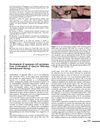
May 2018 in “European Journal of Dermatology” Photodynamic therapy may not work for erythroplasia of Queyrat and could lead to invasive squamous cell carcinoma.
 61 citations
,
September 2008 in “Stem Cells”
61 citations
,
September 2008 in “Stem Cells” Most hair follicle stem cells do not protect their DNA by dividing it unevenly.