5 citations
,
January 2021 in “Indian Journal of Critical Care Medicine” Testing for the NUDT 15 variant is crucial before starting azathioprine, especially in Asians.
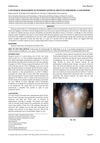 March 2016 in “Journal of evolution of medical and dental sciences”
 Combining OMP with cyclosporine can effectively treat severe alopecia areata in children.
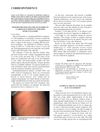 12 citations
,
January 2005 in “Pediatric Dermatology”
12 citations
,
January 2005 in “Pediatric Dermatology” Fox Fordyce disease might be more common in prepubertal girls than thought and can be managed with treatment.
4 citations
,
August 2005 in “Clinical Infectious Diseases” The man's symptoms improved after treating his scurvy with high-dose vitamin C.
September 2015 in “Photodiagnosis and Photodynamic Therapy”  February 2025 in “Buletin Veteriner Udayana”
 The dog's scabies was successfully treated, leading to improved symptoms and hair regrowth.

Gender-specific analysis could improve treatment for childhood systemic lupus erythematosus.
July 2024 in “Journal of Investigative Dermatology” ATR12-351 ointment safely delivers LEKTI protein to the skin, reducing enzyme activity in Netherton syndrome.
22 citations
,
December 2016 in “Journal of Pakistan Association of Dermatologists” Patients on hemodialysis often experience skin and nail issues.
April 2016 in “Journal of Investigative Dermatology” Iron deficiency causes hair loss by affecting hair differentiation and cycling.
31 citations
,
March 1963 in “American journal of diseases of children” Acrodermatitis enteropathica is a rare inherited disorder causing skin issues, diarrhea, and hair loss.
3 citations
,
January 2007 in “Korean Journal of Pediatrics” Zinc supplements can help skin issues even if blood zinc levels are normal.
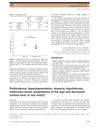 January 2013 in “Journal of dermatology”
 A new medical syndrome may include skin changes, hair loss, sweating issues, bone malformations, leg swelling, and low cortisol.
The gene Endothelin 3 makes mice's fur darker by increasing pigment cells and pigment levels.
8 citations
,
May 2004 in “Anais Brasileiros de Dermatologia” Allergic skin issues are most common in children, and understanding these problems should be prioritized.

An infant with a zinc deficiency skin disorder improved with zinc treatment.
 1 citations
,
September 2022 in “Nepal journal of dermatology, venereology & leprology”
1 citations
,
September 2022 in “Nepal journal of dermatology, venereology & leprology” Apremilast shows promise for several skin conditions but needs more research.
 3 citations
,
July 2004 in “SKINmed/Skinmed”
3 citations
,
July 2004 in “SKINmed/Skinmed” A 4-year-old girl was diagnosed with erythrokeratodermia variabilis after other treatments failed.
January 2024 in “Biomedicines” The review shows that skin symptoms like chronic fungal infections, hair loss, and skin depigmentation are key for early detection and management of APECED.
9 citations
,
January 2015 in “Veterinary record case reports” A dog in Germany was successfully treated for a rare bacterial infection without spreading it to humans.
33 citations
,
June 2009 in “Journal of Cutaneous Pathology” Erlotinib can cause nonscarring hair loss and itchy skin.
February 2026 in “Pediatric Dermatology” December 2021 in “OPAL (Open@LaTrobe) (La Trobe University)” Montelukast is linked to increased risks of suicidal thoughts and depression.
August 2012 in “Open Repository and Bibliography (University of Liège)” A castrated dog developed hair loss and prostate issues from long-term exposure to estrogen cream.
26 citations
,
June 2004 in “Clinical Genetics” The keratin 5 mutation in a family with epidermolysis bullosa simplex was due to mosaicism, not a new mutation.
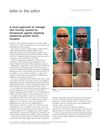 4 citations
,
March 2012 in “Annals of oncology”
4 citations
,
March 2012 in “Annals of oncology” New treatment with green tea polyphenols and nicotinamide improves skin problems from cancer therapy.
 1 citations
,
January 2019 in “Open Journal of Internal Medicine”
1 citations
,
January 2019 in “Open Journal of Internal Medicine” Diagnosing both systemic lupus and hemoglobinopathy is challenging due to overlapping symptoms.
September 2023 in “Journal of the American Academy of Dermatology” Methylprednisolone treatment helps most alopecia areata patients, but young age, extensive hair loss, and low vitamin D can affect results.
 April 2023 in “Journal of Investigative Dermatology”
 Sunlight simulation causes skin inflammation, with different skin types reacting at different levels of exposure.
 January 2025 in “Pediatrics in Review”
 The boy's symptoms improved with vitamin C treatment, highlighting the need to consider scurvy in kids with unusual diets.