 4 citations
,
March 2011 in “Korean Journal of Veterinary Research”
4 citations
,
March 2011 in “Korean Journal of Veterinary Research” Two dogs in Korea were diagnosed with a rare skin condition usually seen in cats.
January 2019 in “University of Liverpool” Equine eosinophilic granuloma is the most common skin disease in horses, while mast cell tumors are less common and differ in their cellular makeup.
 4 citations
,
January 2017 in “Ciência Rural”
4 citations
,
January 2017 in “Ciência Rural” A horse in Brazil with skin and gut issues was diagnosed with a severe disease and had to be euthanized.
 2 citations
,
April 2022 in “PubVet”
2 citations
,
April 2022 in “PubVet” The cat's skin condition improved significantly with medication, with no relapse.
 18 citations
,
July 2001 in “Australian veterinary journal”
18 citations
,
July 2001 in “Australian veterinary journal” A cat with skin bumps and itching had high blood fats and skin infections, which improved with diet and medication changes.
January 2011 in “Companion Animal” Dermatophytosis in cats is a contagious skin disease that requires treating the infected cat, other pets, and the environment.
 March 2023 in “Journal of Veterinary Medicine and Animal Health”
 The fly larvae infestation caused severe skin damage and health issues in Kenyan dogs.
 8 citations
,
August 1997 in “Australasian Journal of Dermatology”
8 citations
,
August 1997 in “Australasian Journal of Dermatology” Most HIV patients develop skin symptoms that can indicate the stage of their disease.
November 2014 in “The Pediatric Infectious Disease Journal” The child was diagnosed with a skin condition involving inflamed hair follicles.
 January 2026 in “Frontiers in Immunology”
 Timely treatment of eosinophilic asthma in rheumatic disease patients can prevent organ damage.
 6 citations
,
May 2015 in “Veterinary Clinics of North America: Equine Practice”
6 citations
,
May 2015 in “Veterinary Clinics of North America: Equine Practice” Horse skin diseases are complex to manage and often require a biopsy for accurate diagnosis and treatment.
 March 2024 in “Jurnal Ilmu Kesehatan Hewan”
 The treatment was effective for the puppy's skin and intestinal infections.
 152 citations
,
March 1988 in “Journal of The American Academy of Dermatology”
152 citations
,
March 1988 in “Journal of The American Academy of Dermatology” Superficial granulomatous pyoderma is a unique, mild form of skin disease that often heals without strong medication and responds well to milder treatments.
 1 citations
,
April 2016 in “Journal of The American Academy of Dermatology”
1 citations
,
April 2016 in “Journal of The American Academy of Dermatology” A man developed a rare skin condition and drug-induced lupus, highlighting the need for biopsy in diagnosing skin issues caused by sunlight.
 June 2023 in “British journal of dermatology/British journal of dermatology, Supplement”
 A woman's rare hair loss condition improved on its own, suggesting this type might recover like common cases.
 64 citations
,
July 1997 in “Journal of The American Academy of Dermatology”
64 citations
,
July 1997 in “Journal of The American Academy of Dermatology” Finding eosinophils near hair bulbs helps diagnose alopecia areata.
 8 citations
,
November 1990 in “Archives of Dermatology”
8 citations
,
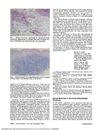
November 1990 in “Archives of Dermatology” A woman with EMS showed unusual skin mucinosis without the typical hard skin syndrome, suggesting EMS can cause skin mucinosis.
 May 2025 in “The Journal of Rheumatology”
 Chronic granulomatous disease may be linked to developing systemic lupus erythematosus.
 April 2016 in “Journal of The American Academy of Dermatology”
 Both atopy and eosinophilia are linked to more severe hair loss in people with alopecia areata.
 November 2023 in “The Bovine practitioner”
 A bull got very sick and had to be put down after eating hairy vetch for months.
 2 citations
,
January 2014 in “Elsevier eBooks”
2 citations
,
January 2014 in “Elsevier eBooks” The document concludes that reactivation of herpesviruses, especially HHV-6, is linked to severe symptoms and complications in drug-induced hypersensitivity syndrome.
 5 citations
,
January 1985 in “The Journal of Dermatologic Surgery and Oncology”
5 citations
,
January 1985 in “The Journal of Dermatologic Surgery and Oncology” A man developed unusual growths after a hair transplant, which were treated successfully with no recurrence after a month.
 November 2025 in “SKIN The Journal of Cutaneous Medicine”
 Granuloma faciale can occur on the scalp, especially in people with advanced hair loss, and may improve with treatment.
 6 citations
,
November 1996 in “Archives of Dermatology”
6 citations
,
November 1996 in “Archives of Dermatology” G-CSF effectively treated a teenager's cyclic neutropenia and reduced her symptoms without adverse effects.
 19 citations
,
June 2011 in “British Journal of Dermatology”
19 citations
,
June 2011 in “British Journal of Dermatology” Severe digestive issues in DRESS need early endoscopy for better treatment.
 1 citations
,
October 2025 in “Frontiers in Immunology”
1 citations
,
October 2025 in “Frontiers in Immunology” Avacopan is generally safe, with some minor side effects like nausea and fatigue.
January 2022 in “JAAD case reports” Granulomatous alopecia areata is a rare but real form of hair loss.
June 2025 in “Veterinary Sciences” Oclacitinib effectively treated a diabetic cat's severe skin issues without raising glucose levels, and surgery fixed eyelid fusion.
 7 citations
,
June 2015 in “Cutaneous and Ocular Toxicology”
7 citations
,
June 2015 in “Cutaneous and Ocular Toxicology” Some drugs can cause skin reactions, which may improve when the drug is stopped, and rapid diagnosis and stopping the drug is crucial.
24 citations
,
June 1999 in “The Pediatric Infectious Disease Journal” A child with Sweet syndrome was found to have chronic granulomatous disease and improved with treatment.