 2 citations
,
March 2023 in “JAAD case reports”
2 citations
,
March 2023 in “JAAD case reports” Hair repigmentation can indicate malignancy and should be investigated.
Different types of skin cells and immune cells play a role in healing UV-damaged skin, with chronic UV exposure causing lasting damage to certain skin cells.
Different types of sun exposure can damage skin cells and affect healing, with chronic exposure being more harmful, and certain immune cells help in the repair process.
 February 2020 in “International Journal of Research in Dermatology”
 EPDS is a rare, chronic scalp condition that's hard to treat and needs better awareness for improved outcomes.
 October 2021 in “Journal of Investigative Dermatology”
 Dkk4 protein is necessary for the proper development and arrangement of hair follicles.
 4 citations
,
June 2021 in “Wounds-a Compendium of Clinical Research and Practice”
4 citations
,
June 2021 in “Wounds-a Compendium of Clinical Research and Practice” Chronic scalp lesions with crusts and pus that heal with strong topical steroids suggest Erosive Pustular Dermatosis, confirmed by biopsy showing specific immune cells.
33 citations
,
January 2000 in “Acta Oto-Laryngologica” Epidermal growth factor increases extra hair cells in newborn rat ears.
November 2022 in “bioRxiv (Cold Spring Harbor Laboratory)” Prostaglandin E2 helps prevent hair loss from radiotherapy by protecting hair cells.
 36 citations
,
January 2007 in “Archives of Histology and Cytology”
36 citations
,
January 2007 in “Archives of Histology and Cytology” Type IV collagen chains vary in different parts of human skin, with specific patterns linked to melanocytes.
 July 2020 in “Pharmaceutical Research”
  August 2019 in “Journal of Investigative Dermatology”
 The study found that tight junctions reach the top layer of the skin's stratum granulosum, not just the second top layer as previously thought.
16 citations
,
April 2021 in “Plant Signaling & Behavior” MYB30 and EIN3 work against each other to control root hair growth and phosphorus uptake in plants when phosphate is low.
October 2024 in “Cosmetics” Electric stimulation at 448 kHz can promote hair growth by enhancing cell activity in hair follicles.
323 citations
,
November 1984 in “Journal of Investigative Dermatology”  August 2015 in “MOJ proteomics & bioinformatics”
 ePUKs could be valuable for regenerative medicine due to their wound healing abilities.
January 2015 in “프로그램북(구 초록집)” Epiduo® is an effective first-line acne treatment that reduces inflammation and combats antibiotic resistance.
 November 2021 in “International journal of life science and pharma research”
 The new gel for psoriasis is effective, stable, and easy to apply.
20 citations
,
December 2019 in “International Journal of Molecular Sciences” HB-EGF boosts the hair growth ability of stem cells, making it a potential hair loss treatment.
 April 2018 in “Journal of Investigative Dermatology”
 The study found that p63 needs signals from morphogens to help skin cells differentiate properly.
 10 citations
,
June 2005 in “The journal of investigative dermatology/Journal of investigative dermatology”
10 citations
,
June 2005 in “The journal of investigative dermatology/Journal of investigative dermatology” FP-1 is a key protein in rat hair growth, active only during the growth phase.
June 2026 in “Value in Health” November 2022 in “Journal of Investigative Dermatology” ILC1-like cells can cause alopecia areata by themselves.
 168 citations
,
December 1986 in “Cancer Chemotherapy and Pharmacology”
168 citations
,
December 1986 in “Cancer Chemotherapy and Pharmacology” Epirubicin is as effective as doxorubicin for cancer treatment with less heart damage, but doesn't work on doxorubicin-resistant cancers.
109 citations
,
February 2018 in “CB/Current biology” ERULUS controls root hair growth by regulating cell wall composition and pectin activity.
August 2024 in “Postgraduate Medical Journal” A rare skin reaction from cancer treatment was successfully managed with topical treatments and antihistamines.
2 citations
,
February 2012 in “PubMed” Gp₄G promotes hair growth and improves skin health.
December 2022 in “Scientific Reports” Compound 4 is a promising treatment for hair loss with low toxicity.
April 2000 in “Chinese Journal of Dermatology” Epidermal growth factor (EGF) boosts hair follicle growth and speeds up hair cycle transition.
 8 citations
,
January 2013 in “Medicinal chemistry”
8 citations
,
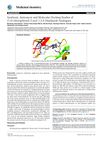
January 2013 in “Medicinal chemistry” The compound 4c showed strong potential as an anticancer agent.
 October 2025 in “Proceedings of the National Academy of Sciences”
 Phospholipids help plant proteins move by regulating receptor interactions.