 April 2023 in “Journal of Investigative Dermatology”
 The document's conclusion cannot be provided because the content is not accessible.
14 citations
,
May 2017 in “Journal of Investigative Dermatology” A rare gene mutation causes skin fragility and itching without affecting hair or nails.
 March 2026 in “Calcified Tissue International”
 The EDA pathway plays a key role in bone development by interacting with other signaling pathways.
November 2024 in “Stem Cell Research & Therapy” A new method improves the isolation of hair follicle cells for better hair growth research.
 June 2026 in “Scholarly review .”
 Endocrine-disrupting chemicals cause irreversible harm to children's development, increasing disease risk.
November 2025 in “OPAL (Open@LaTrobe) (La Trobe University)” DAB labeling effectively identifies collagen type III and PDGFR in horse skin, but may show false positives.
 March 2026 in “Egyptian Journal of Forensic Sciences”
 Unified regulations and ethical guidelines are needed for fair use of forensic DNA phenotyping.
June 2025 in “Preprints.org” EDA is vital for bone and cartilage formation and could help treat skeletal disorders.
 August 2023 in “The journal of investigative dermatology/Journal of investigative dermatology”
 People with certain skin disorders are more likely to have alcohol problems, especially if they also have mental health issues like depression and anxiety.
23 citations
,
October 2021 in “AAPS PharmSciTech”  32 citations
,
April 2013 in “Anais Brasileiros de Dermatologia”
32 citations
,
April 2013 in “Anais Brasileiros de Dermatologia” The document concludes that inherited epidermolysis bullosa is a challenging genetic condition requiring multidisciplinary care and new treatments.
9 citations
,
March 2009 in “The journal of investigative dermatology/Journal of investigative dermatology” Ectodysplasin signaling is crucial for skin appendage development, requiring specific doses and durations.
 December 2025 in “Zenodo (CERN European Organization for Nuclear Research)”
 Current drug safety systems fail to detect long-term side effects, leading to preventable health issues.
 11 citations
,
June 2012 in “Journal of Dermatological Science”
11 citations
,
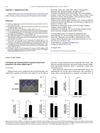
June 2012 in “Journal of Dermatological Science” Scientists identified a group of human skin cells with high growth and regeneration potential.
8 citations
,
June 2021 in “Frontiers in Medicine” The combination of the excimer lamp and liquor carbonis detergens is more effective for scalp psoriasis than the lamp alone.
 9 citations
,
December 2020 in “International Journal of Medical Sciences”
9 citations
,
December 2020 in “International Journal of Medical Sciences” iPSCs help understand and treat neurodevelopmental disorders.
 12 citations
,
December 2020 in “Archives animal breeding/Archiv für Tierzucht”
12 citations
,
December 2020 in “Archives animal breeding/Archiv für Tierzucht” EDA and EDAR are important for hair follicle development in cashmere goats and affect other related genes.
1 citations
,
January 1989 in “Carcinogenesis” Dexamethasone reduces inflammation and delays skin cell changes caused by TPA.
 July 2026 in “International Journal of Applied Pharmaceutics”
 Hair dyes, especially with PPD, can cause skin and rare systemic reactions, and safer alternatives are needed.
 July 2022 in “The journal of investigative dermatology/Journal of investigative dermatology”
 A patient with a PLEC mutation has epidermolysis bullosa, muscular dystrophy, and myasthenia gravis, which improved with steroid treatment.
 April 2017 in “Journal of Investigative Dermatology”
 Blood cells turned into stem cells can become skin cells similar to normal ones, potentially helping in skin therapies.
 2 citations
,
June 2012 in “Dermatologica Sinica”
2 citations
,
June 2012 in “Dermatologica Sinica” Dermoscopy is useful for diagnosing and monitoring discoid lupus erythematosus by showing specific skin patterns.
 4 citations
,
September 2024 in “BMC Oral Health”
4 citations
,
September 2024 in “BMC Oral Health” Children with Epidermolysis Bullosa need better access to specialized dental care.
2 citations
,
June 2021 in “RECERCAT (Consorci de Serveis Universitaris de Catalunya)” Clear definitions and strategies are needed to manage long-term COVID-19 symptoms effectively.
 November 2022 in “The journal of investigative dermatology/Journal of investigative dermatology”
 The research identified specific genes that are active in the cells crucial for hair growth.
4 citations
,
February 2023 in “Stem Cell Research & Therapy” Mouse skin cells can become sperm-like cells in the lab.
 May 2024 in “Animal genetics”
 A cat's poor wound healing was linked to a genetic deletion in the COL5A1 gene.
 1 citations
,
September 2019 in “Journal of Investigative Dermatology”
1 citations
,
September 2019 in “Journal of Investigative Dermatology” The research showed that CRISPR/Cas9 can fix mutations causing a skin disease in stem cells, which then improved skin grafts in mice, but more work on safety and efficiency is needed.
June 2024 in “Lasers in Surgery and Medicine” The cooling system effectively and safely treats benign pigmented lesions in Asians.
 July 2023 in “Media Dermato Venereologica Indonesiana”
 Corticosteroids effectively treated a 60-year-old man's skin condition.