 254 citations
,
January 2012 in “Nature Reviews Molecular Cell Biology”
254 citations
,
January 2012 in “Nature Reviews Molecular Cell Biology” Stem cell offspring help control their parent stem cells, affecting tissue health, healing, and cancer.
27 citations
,
February 2003 in “European Journal Of Oral Sciences” SVpgC2a cells show abnormal growth and keratin changes, modeling early cancer development.
 February 2026 in “Journal of Cutaneous and Aesthetic Surgery”
 Ectopic acanthosis nigricans can occur at surgical sites due to skin graft mismatches.
ERK activation spreads between cells in mouse skin, linked to cell division and influenced by TPA and EGF receptors.
April 2020 in “Journal of the Endocrine Society” Somatostatin analogues effectively manage ectopic ACTH syndrome when surgery isn't possible.
6 citations
,
December 2015 in “Medicine” Cronkhite-Canada syndrome may be more treatable and less severe than previously thought.
26 citations
,
June 2004 in “Clinical Genetics” The keratin 5 mutation in a family with epidermolysis bullosa simplex was due to mosaicism, not a new mutation.
181 citations
,
December 2017 in “Trends in immunology” Intestinal intraepithelial lymphocytes are crucial for gut immunity and maintaining the mucosal barrier.
November 2025 in “Chemistry - An Asian Journal” EISA uses enzymes to create precise nanostructures in cells, offering new ways to design adaptive materials and therapies.
 411 citations
,
April 2010 in “Gastroenterology”
411 citations
,
April 2010 in “Gastroenterology” Targeting colon cancer stem cells might lead to better treatment results.
7 citations
,
July 2024 in “Current Issues in Molecular Biology” Understanding skin stem cells and their regulation is key to improving skin healing and treating disorders.
Loss of the p53 gene alone causes tumors, and losing both p53 and Rb genes speeds up aggressive skin cancer.
 10 citations
,
January 2013 in “Journal of skin cancer”
10 citations
,
January 2013 in “Journal of skin cancer” PKC ε increases hair follicle stem cell turnover and may raise skin cancer risk.
January 2025 in “Indian Journal of Dermatopathology and Diagnostic Dermatology” Nevus sebaceous is identified by unique skin changes, including thickened skin, fewer hair follicles, and many sebaceous glands.
52 citations
,
January 2023 in “Annual Review of Immunology” Immune-epithelial interactions are crucial for tissue repair, but unchecked can cause diseases.
2 citations
,
November 2022 in “bioRxiv (Cold Spring Harbor Laboratory)” Mutant stem cells adapt their metabolism differently to outcompete normal cells in the skin.
 April 2023 in “The journal of investigative dermatology/Journal of investigative dermatology”
 HPV8 causes hair follicle stem cells to grow, leading to skin lesions.
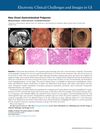 August 2013 in “Gastroenterology”
 A 60-year-old man with Cronkhite-Canada syndrome improved with treatment, but the condition has a high mortality rate and a risk of colorectal cancer.
218 citations
,
September 2012 in “Gastroenterology” Colorectal cancer development involves both genetic changes and epigenetic alterations like DNA methylation and microRNA changes.
22 citations
,
April 2023 in “The Journal of Cell Biology” Calcium signaling in skin cells is crucial for communication and regeneration.
421 citations
,
September 2003 in “Development” Stem cell behavior varies with stimuli, and lineage changes can happen without affecting stem cell division.
January 2024 in “Skin Appendage Disorders” Serial Excision Technique improves appearance and quality of life for cicatricial alopecia patients.
Par3–mInsc and Gαi3 work together to ensure proper cell division orientation in skin development.
71 citations
,
February 1992 in “Journal of Cutaneous Pathology” Antibodies help identify glycoproteins in normal skin and tumor cells.
 January 2025 in “Indian Dermatology Online Journal”
 Treatment reduced cystic lesions but didn't change existing Nevus Comedonicus.
 15 citations
,
September 2007 in “Cell & tissue research/Cell and tissue research”
15 citations
,
September 2007 in “Cell & tissue research/Cell and tissue research” Embryonic and adult stem cells are valuable for improving skin grafts and cell therapy.
 January 2026 in “Journal of Applied Pharmaceutical Science”
 Selaginella doederleinii extract shows potential for cervical cancer treatment but needs more research.
9 citations
,
March 2022 in “Military Medical Research” Small molecules can help turn skin cells into sweat gland-like cells for potential skin repair.
1 citations
,
January 2022 in “Clinical Cases in Dermatology” A rare scalp condition was successfully treated with specific medications after 9 months.
 February 2013 in “Journal of Visualized Experiments”
 The document's conclusion cannot be provided because the document is not available for analysis.