 8 citations
,
January 2007 in “International journal of experimental pathology”
8 citations
,
January 2007 in “International journal of experimental pathology” Hairless HRS/J mice resist Bacillus anthracis skin infections due to high numbers of immune cells, not because they lack hair follicles.
20 citations
,
August 2005 in “The Journal of laboratory and clinical medicine” Mice with damaged skin or hair follicles are more susceptible to anthrax infection.
 March 1998 in “Journal of Dermatological Science”
 Combining RU58841 and minoxidil significantly increases hair growth.
 29 citations
,
August 1985 in “Contact Dermatitis”
29 citations
,
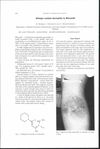
August 1985 in “Contact Dermatitis” Minoxidil can cause allergic reactions like burning, itching, and red bumps.
 2 citations
,
May 2015 in “PloS one”
2 citations
,
May 2015 in “PloS one” Hair follicle pores help cell survival and growth, even after radiation.
 57 citations
,
March 2019 in “Immunity”
57 citations
,
March 2019 in “Immunity” The document concludes that the skin's immune system is complex, involving interactions with hair follicles, nerves, and microbes, and can protect or cause disease, offering targets for new treatments.
 24 citations
,
August 2017 in “Prostaglandins & Other Lipid Mediators”
24 citations
,
August 2017 in “Prostaglandins & Other Lipid Mediators” CRTH2 antagonists might be useful for treating many conditions because they play a role in immune and inflammation responses.
 August 2024 in “Qucosa (Saxon State and University Library Dresden)”
 White fat tissue in the skin helps control inflammation by affecting certain immune cells.
 306 citations
,
April 2019 in “International Journal of Molecular Sciences”
306 citations
,
April 2019 in “International Journal of Molecular Sciences” The skin has a complex immune system that is essential for protection and healing, requiring more research for better wound treatment.
 102 citations
,
February 2008 in “The FASEB Journal”
102 citations
,
February 2008 in “The FASEB Journal” One minoxidil-sensitive potassium channel exists in human hair follicles.
 53 citations
,
April 2021 in “Cell Host & Microbe”
53 citations
,
April 2021 in “Cell Host & Microbe” Skin bacteria, specifically Staphylococcus aureus, help in wound healing and hair growth by using IL-1β signaling. Using antibiotics on skin wounds can slow down this natural healing process.
 1 citations
,
August 2024 in “Transgenic Research”
1 citations
,
August 2024 in “Transgenic Research” Activated β-catenin affects hair growth and skin thickness, and changes are reversible.
 July 2025 in “Archives of Toxicology”
 The new skin model can predict how chemicals might cause skin allergies.
 September 2004 in “Experimental dermatology”
 Melatonin directly affects mouse hair follicles and may influence hair growth.
 128 citations
,
July 2009 in “International Journal of Pharmaceutics”
128 citations
,
July 2009 in “International Journal of Pharmaceutics” PEVs improve minoxidil skin penetration, increasing hair growth.
 6 citations
,
January 2016 in “Springer eBooks”
6 citations
,
January 2016 in “Springer eBooks” Invasomes effectively deliver drugs through the skin and have potential for improved treatments.
 December 2013 in “Research Portal (King's College London)”
 Hair loss in Lichen Planopilaris is caused by immune system issues damaging hair follicles and stem cells.
2 citations
,
December 2007 in “Microbial pathogenesis” Anthrax bacteria can infect and destroy hair follicles in mice, but the immune system eventually clears the infection.
195 citations
,
December 2009 in “Journal of Investigative Dermatology” Free fatty acids in sebum boost skin's defense against acne by increasing antimicrobial peptides.
201 citations
,
May 2001 in “Proceedings of the National Academy of Sciences” Overexpression of COX-2 in mice skin causes abnormal skin and hair development.
114 citations
,
February 2023 in “International Journal of Molecular Sciences” The skin microbiome is crucial for skin health, and more research is needed to explore its role and potential treatments.
47 citations
,
August 2024 in “Science Advances” The new sprayable wound mask helps heal wounds without scars.
101 citations
,
July 1998 in “Journal of Investigative Dermatology” UVB exposure in human skin causes macrophages to produce more IL-10 and less IL-12, leading to immunosuppression.
99 citations
,
April 1998 in “The journal of investigative dermatology/Journal of investigative dermatology” Hair follicles help skin immune recovery after UVB exposure.
32 citations
,
February 2024 in “The Journal of Experimental Medicine” CXCL12+ fibroblasts help recruit neutrophils to fight skin infections.
7 citations
,
May 2025 in “Journal of Biomedical Science” Keratin 6A increases skin inflammation, suggesting it could be a target for treating certain skin diseases.
6 citations
,
August 2023 in “Journal of Investigative Dermatology” Skin plays a key role in managing iron levels, and inflammation can affect systemic iron, potentially causing anemia.
1 citations
,
September 2025 in “Physiologia” Ovalbumin–aluminum sensitization causes increased pain sensitivity and nerve changes in mice.
 1 citations
,
December 2022 in “The journal of investigative dermatology/Journal of investigative dermatology”
1 citations
,
December 2022 in “The journal of investigative dermatology/Journal of investigative dermatology” Choosing the right method to separate skin layers is key for good skin cell research.
 February 2026 in “Medicina”
 Hyaluronic Acid Profhilo® reduces skin inflammation and nerve-related pain in atopic dermatitis.