3 citations
,
January 2020 in “Journal of Cutaneous and Aesthetic Surgery” A new treatment using skin and hair cells may help heal stubborn leg ulcers effectively and safely.

Injecting a person's own skin cells back into their skin is a promising, safe, and affordable treatment for skin disorders.
177 citations
,
November 2002 in “British journal of dermatology/British journal of dermatology, Supplement” Transplantation is effective for stable leucoderma but not for progressive, widespread vitiligo vulgaris.
10 citations
,
June 2024 in “Skin Research and Technology” Autologous epidermal cell suspensions speed up healing and reduce complications in skin lesion treatment but have limited impact on cosmetic outcomes.
 21 citations
,
February 2017 in “Dermatologic surgery”
21 citations
,
February 2017 in “Dermatologic surgery” Different techniques for vitiligo treatment work similarly well, with some better for specific body areas.
 1 citations
,
December 2015 in “Journal of the Medical Sciences (Berkala Ilmu Kedokteran)”
1 citations
,
December 2015 in “Journal of the Medical Sciences (Berkala Ilmu Kedokteran)” Transplanting melanocyte stem cells from hair follicles can effectively treat vitiligo.
18 citations
,
October 2022 in “Biomedicines” Regenerative treatments for vitiligo show promise but need more research for long-term safety and effectiveness.
 3 citations
,
January 2018 in “Methods in molecular biology”
3 citations
,
January 2018 in “Methods in molecular biology” The document concludes that skin-derived precursors can be grown and may help in hair growth and skin repair.
 January 2019 in “Springer eBooks”
 Transplanting skin cells is a safe, effective, and affordable treatment for vitiligo.
13 citations
,
April 2016 in “Journal of Visualized Experiments” The method successfully isolates hair follicle stem cells and skin cells from mice for research.
5 citations
,
March 2023 in “PubMed” Advanced therapy medicinal products show promise for vitiligo treatment with fewer side effects, but affordability is a challenge.
April 2020 in “DOAJ (DOAJ: Directory of Open Access Journals)” Olive oil helps Malassezia globosa overgrow, worsening atopic dermatitis in mice.
 May 2026 in “Journal of Health and Allied Sciences NU”
 Optimized culture conditions improve human epidermal stem cell growth for skin regeneration.
 June 2026 in “Clinical Cosmetic and Investigational Dermatology”
 Cell-based therapies offer better repigmentation for larger vitiligo areas, with CD8+ T cell count as a potential biomarker for success.
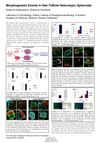
Researchers developed a method to create artificial hair follicles that may help with hair loss treatment and research.
 17 citations
,
January 1997 in “Cell and Tissue Research”
17 citations
,
January 1997 in “Cell and Tissue Research” Scientists developed a method to grow human fetal skin and digits in a lab for 3-4 weeks, which could help study skin features and understand genetic interactions in tissue formation.
 January 2026 in “Indian Journal of Plastic Surgery”
 Nonculture epidermal suspension is an effective, simple, and safe treatment for stable vitiligo.
 6 citations
,
May 2021 in “Stem Cell Reviews and Reports”
6 citations
,
May 2021 in “Stem Cell Reviews and Reports” Newly found stem cells in horse hooves show promise for treating a hoof disease called laminitis.
 19 citations
,
September 2019 in “PLOS genetics”
19 citations
,
September 2019 in “PLOS genetics” Telomere damage affects skin and hair follicle stem cells by messing up important growth signals.
 5 citations
,
March 2017 in “Cell and Tissue Banking”
5 citations
,
March 2017 in “Cell and Tissue Banking” Researchers developed a new method to quickly prepare skin cells that improve wound healing in rats.
 28 citations
,
March 2010 in “Histochemistry and Cell Biology”
28 citations
,
March 2010 in “Histochemistry and Cell Biology” Different markers are found in stem cells of the scalp's hair follicle bulge and the surrounding skin.
 61 citations
,
January 2008 in “Cold Spring Harbor Symposia on Quantitative Biology”
61 citations
,
January 2008 in “Cold Spring Harbor Symposia on Quantitative Biology” Beta-catenin is crucial for skin cell growth, development, and cancer formation.
 144 citations
,
September 2012 in “Genes & development”
144 citations
,
September 2012 in “Genes & development” Aging causes skin stem cells to work less effectively.
 3 citations
,
May 2022 in “Oncogene”
3 citations
,
May 2022 in “Oncogene” Vav2 and Vav3 proteins help control skin stem cell numbers and activity in both healthy and cancerous cells.
 10 citations
,
December 2021 in “Frontiers in cell and developmental biology”
10 citations
,
December 2021 in “Frontiers in cell and developmental biology” The research identified genes that explain why some sheep have curly wool and others have straight wool.
209 citations
,
October 2018 in “Cell Reports” Lgr5 and Lgr6 stem cells quickly adapt to help heal wounds.
 25 citations
,
December 1992 in “Seminars in cell biology”
25 citations
,
December 1992 in “Seminars in cell biology” Skin stem cells are maintained by signals from nearby cells and vary in their ability to renew and mature.
25 citations
,
February 2024 in “Biomaterials” Stem cell-derived organoids can improve skin healing.
 8 citations
,
January 2022 in “Burns and trauma”
8 citations
,
January 2022 in “Burns and trauma” Skin cell-derived vesicles can help heal skin injuries effectively.

PmtHEE is a better model for studying pigmented skin because it includes melanocytes and shows improved cell differentiation.