 14 citations
,
May 1987 in “Archives of Dermatology”
14 citations
,
May 1987 in “Archives of Dermatology” Tissue expansion is an effective treatment for certain types of hair loss, providing immediate coverage with hair-bearing skin.
10 citations
,
August 2013 in “Experimental Dermatology” Hairless protein and putrescine regulate each other, affecting hair growth and skin balance.
 2 citations
,
February 2009 in “Clinical and Experimental Dermatology”
2 citations
,
February 2009 in “Clinical and Experimental Dermatology” A man had rare skin tumors with bone formation and cholesterol deposits.
 January 2024 in “ACTA SCIENTIAE VETERINARIAE”
 An epidermoid cyst in a dog's mammary gland is rare and benign.
June 2023 in “Dermatopathology” A woman had a unique skin growth with hair follicle, oil glands, fat cells, spindle cells, and nerve fibers.
73 citations
,
January 2016 in “International review of cell and molecular biology” Cornification evolved from keratinization in vertebrates, with differences between mammals and sauropsids.
 72 citations
,
November 2012 in “PloS one”
72 citations
,
November 2012 in “PloS one” The protein folliculin, involved in a rare disease, works with another protein to control how cells stick together and their organization, and changes in this interaction can lead to disease symptoms.
 62 citations
,
January 2004 in “The journal of investigative dermatology/Journal of investigative dermatology”
62 citations
,
January 2004 in “The journal of investigative dermatology/Journal of investigative dermatology” A second domain of high sulfur KAP genes on chromosome 21q23 is crucial for hair structure.
57 citations
,
August 2002 in “American Journal Of Pathology” Cathepsin L deficiency causes hair and skin issues in mice.
48 citations
,
April 2008 in “Human Molecular Genetics” Progerin affects cell shape but not hair or skin in mice.
 48 citations
,
July 1993 in “The journal of investigative dermatology/Journal of investigative dermatology”
48 citations
,
July 1993 in “The journal of investigative dermatology/Journal of investigative dermatology” Hair growth is controlled by specific gene clusters and proteins, and cysteine affects hair gene expression in sheep.
43 citations
,
April 2010 in “Developmental Biology” Sebaceous glands can form new hair follicles when activated, but hair follicle bulges cannot.
31 citations
,
January 2007 in “Journal of the American Academy of Dermatology” A rare skin growth was successfully removed without recurrence after one year.
 13 citations
,
November 2013 in “Journal of Endocrinology/Journal of endocrinology”
13 citations
,
November 2013 in “Journal of Endocrinology/Journal of endocrinology” Vitamin D receptor helps control hair growth genes in skin cells.
13 citations
,
December 2005 in “Traffic” Syntaxin 9 helps in transporting and signaling of the EGF receptor in skin and stomach cells.
 10 citations
,
July 2015 in “Current opinion in pediatrics, with evaluated MEDLINE/Current opinion in pediatrics”
10 citations
,
July 2015 in “Current opinion in pediatrics, with evaluated MEDLINE/Current opinion in pediatrics” New genes linked to ichthyosis were found, but there's still no cure; treatment options are improving.
7 citations
,
October 2024 in “Cells” Autophagy is essential for proper skin cell development and function.
 7 citations
,
December 2011 in “Annals of anatomy”
7 citations
,
December 2011 in “Annals of anatomy” Involucrin helps strengthen the inner parts of human hair.
 5 citations
,
February 2015 in “JEADV. Journal of the European Academy of Dermatology and Venereology/Journal of the European Academy of Dermatology and Venereology”
5 citations
,
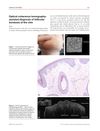
February 2015 in “JEADV. Journal of the European Academy of Dermatology and Venereology/Journal of the European Academy of Dermatology and Venereology” OCT can non-invasively diagnose follicular keratosis and other hair follicle disorders.
 3 citations
,
September 2005 in “Experimental dermatology”
3 citations
,
September 2005 in “Experimental dermatology” The cornified envelope is crucial for skin's barrier function and involves key proteins and genetic factors.
 2 citations
,
March 2022 in “Portuguese Journal of Nephrology & Hypertension”
2 citations
,
March 2022 in “Portuguese Journal of Nephrology & Hypertension” A rare EGFR mutation in newborns leads to severe health issues and early death.
 June 2023 in “Medical records-international medical journal”
 Decreased IGF-1R expression may contribute to sacrococcygeal pilonidal sinus development.

Skin changes throughout life, from development before birth to aging effects like wrinkles, influenced by both genetics and environment.
 788 citations
,
February 2007 in “Nature”
788 citations
,
February 2007 in “Nature” The document concludes that skin stem cells are important for hair growth and wound healing, and could be used in regenerative medicine.
182 citations
,
May 2003 in “Development” Myc activation reduces skin stem cells by affecting cell adhesion.
130 citations
,
March 2014 in “Proceedings of the National Academy of Sciences of the United States of America” Epidermal Wnt/β-catenin signaling controls fat cell formation and hair growth.
124 citations
,
July 2017 in “eLife” Type XVII collagen helps control skin cell growth and could be a target for anti-aging treatments.
91 citations
,
June 2011 in “The EMBO Journal” TCF/Lef1 activity is essential for proper skin cell development and renewal.
 88 citations
,
July 2014 in “Journal of the American Academy of Dermatology”
88 citations
,
July 2014 in “Journal of the American Academy of Dermatology” Targeted cancer therapies often cause skin reactions, so dermatologists must manage these effects.
70 citations
,
January 2014 in “International review of cell and molecular biology” Keratin proteins are crucial for healthy skin, but mutations can cause skin disorders with no effective treatments yet.