41 citations
,
December 2011 in “The journal of investigative dermatology/Journal of investigative dermatology” Deleting MED1 in skin cells causes hair loss and skin changes.
 36 citations
,
May 2016 in “Biomaterials”
36 citations
,
May 2016 in “Biomaterials” Endo-HSE helps grow hair-like structures from human skin cells in the lab.
 24 citations
,
August 2011 in “Experimental Dermatology”
24 citations
,
August 2011 in “Experimental Dermatology” The flap assay grows the most natural hair but takes the longest, the chamber assay is hard work but gives dense, normal hair, and the patch assay is quick but creates poorly oriented hair with some issues.
 22 citations
,
November 2012 in “Journal of cosmetic dermatology”
22 citations
,
November 2012 in “Journal of cosmetic dermatology” Stem cells can rejuvenate skin, restore hair, and aid in wound healing.
18 citations
,
February 2007 in “Journal of Investigative Dermatology” Deleting Rac1 in the skin depletes stem cells and damages hair follicles.
 17 citations
,
January 1997 in “Cell and Tissue Research”
17 citations
,
January 1997 in “Cell and Tissue Research” Scientists developed a method to grow human fetal skin and digits in a lab for 3-4 weeks, which could help study skin features and understand genetic interactions in tissue formation.
 16 citations
,
April 2016 in “PLoS ONE”
16 citations
,
April 2016 in “PLoS ONE” Negative pressure treatment improved skin thickness, blood vessel growth, and hair growth.
15 citations
,
June 2020 in “The journal of investigative dermatology/Journal of investigative dermatology” Mice with extra human KLK14 had hair and skin problems, including weaker cell bonds and inflammation, linked to Netherton syndrome.
 15 citations
,
July 1999 in “Dermatologic Clinics”
15 citations
,
July 1999 in “Dermatologic Clinics” The document concludes that immune system abnormalities cause alopecia areata, but the exact process is still not completely understood.
 13 citations
,
July 2012 in “Pigment Cell & Melanoma Research”
13 citations
,
July 2012 in “Pigment Cell & Melanoma Research” A mutation in the Adam10 gene causes freckle-like spots on Hairless mice.
 10 citations
,
November 2010 in “Pigment Cell & Melanoma Research”
10 citations
,
November 2010 in “Pigment Cell & Melanoma Research” Only skin melanocytes, not other types, can color hair in mice.
9 citations
,
December 2012 in “Indian Journal of Dermatology Venereology and Leprology” Two sisters had rare, widespread cysts and complete hair loss, suggesting a genetic link.
 8 citations
,
November 2020 in “Nature Communications”
8 citations
,
November 2020 in “Nature Communications” Adult stem cells with Tp63 can form hair and skin cells when placed in new skin, showing they have hidden abilities for skin repair.
8 citations
,
July 2016 in “Oncotarget” Lgr5+ stem cells do not cause skin tumors.
 7 citations
,
December 2011 in “Elsevier eBooks”
7 citations
,
December 2011 in “Elsevier eBooks” The document concludes that early diagnosis and treatment are crucial for managing skin diseases in ferrets.
 4 citations
,
July 2022 in “Annals of translational medicine”
4 citations
,
July 2022 in “Annals of translational medicine” Scientists created complete hair-like structures by growing mouse skin cells together in a special gel.
 2 citations
,
September 2022 in “Organoid”
2 citations
,
September 2022 in “Organoid” A new method was developed to efficiently grow skin hair follicles from stem cells, potentially aiding alopecia treatment.
 2 citations
,
April 2010 in “The Open Dermatology Journal”
2 citations
,
April 2010 in “The Open Dermatology Journal” Corneodesmosin is essential for skin and hair health, and its dysfunction can lead to skin and hair disorders.
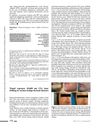 1 citations
,
July 2015 in “European Journal of Dermatology”
1 citations
,
July 2015 in “European Journal of Dermatology” CO₂ laser treatment is fast and effective for some benign skin tumors with minimal side effects.
 March 2026 in “Dermatology Online Journal”
 Cystic panfolliculoma is a rare, harmless tumor that can be confused with other skin tumors.
 August 2021 in “Annals of pathology and laboratory medicine”
 Most skin tumors in the study were benign, with squamous cell carcinoma being the most common malignant type.
31 citations
,
July 2012 in “Journal of Lipid Research” ACBP is crucial for healthy skin in mice.
14 citations
,
May 2022 in “Stem cell reports” The study created hair-bearing skin models that lack a key protein for skin layer attachment, limiting their use for certain skin disease research.
 1 citations
,
December 2022 in “The journal of investigative dermatology/Journal of investigative dermatology”
1 citations
,
December 2022 in “The journal of investigative dermatology/Journal of investigative dermatology” Choosing the right method to separate skin layers is key for good skin cell research.
409 citations
,
May 1991 in “Genes & Development” TGF-alpha affects skin thickness, hair growth, and may contribute to psoriasis and papilloma formation.
 401 citations
,
January 2013 in “Postepy Dermatologii I Alergologii”
401 citations
,
January 2013 in “Postepy Dermatologii I Alergologii” The paper concludes that understanding melanocyte development can help in insights into skin diseases and melanoma diversity.
 375 citations
,
February 2006 in “Journal of Cell Science”
375 citations
,
February 2006 in “Journal of Cell Science” The document concludes that the hair cycle is a complex process involving growth, regression, and rest phases, regulated by various molecular signals.
 273 citations
,
May 2017 in “The Lancet”
273 citations
,
May 2017 in “The Lancet” Some drugs can cause rare but potentially deadly skin reactions, and early treatment and avoiding the drug again are key.
 232 citations
,
October 2015 in “International journal of molecular sciences”
232 citations
,
October 2015 in “International journal of molecular sciences” Stem cells are crucial for skin repair and new treatments for chronic wounds.
 176 citations
,
January 2003 in “Journal of Investigative Dermatology”
176 citations
,
January 2003 in “Journal of Investigative Dermatology” Bone Morphogenetic Proteins (BMPs) help control skin health, hair growth, and color, and could potentially be used to treat skin and hair disorders.