4 citations
,
November 2022 in “Nutrients” Cow placenta extract has strong antioxidant effects and can delay skin aging in mice.
November 2023 in “Frontiers in Medicine” The method effectively mimics shaving damage on skin for testing skincare products.
 9 citations
,
November 2018 in “Journal of cosmetic dermatology”
9 citations
,
November 2018 in “Journal of cosmetic dermatology” Orobanche rapum extract rejuvenates skin and protects skin bacteria, leading to healthier skin.
 195 citations
,
January 2008 in “Photochemistry and Photobiology”
195 citations
,
January 2008 in “Photochemistry and Photobiology” Visible light can damage skin and most sunscreens don't block it well; more research is needed on its effects and protection methods.
142 citations
,
February 2016 in “Science” Foxc1 helps keep hair follicle stem cells inactive, preventing hair loss.
37 citations
,
August 2024 in “Current Issues in Molecular Biology” Keratins 6, 16, and 17 increase in damaged or diseased skin and may help diagnose skin issues.
 36 citations
,
August 2011 in “Journal of dermatological science”
36 citations
,
August 2011 in “Journal of dermatological science” Human hair has a protective lipid layer that can be damaged by moisture and treatments, affecting hair growth and health.
34 citations
,
August 2018 in “Cancer research” Fixing DNA errors is crucial to prevent skin cancer.
32 citations
,
January 2016 in “Development” Sebaceous lipids are crucial for keeping skin and eyes healthy in mice.
 19 citations
,
September 2019 in “PLOS genetics”
19 citations
,
September 2019 in “PLOS genetics” Telomere damage affects skin and hair follicle stem cells by messing up important growth signals.
 11 citations
,
June 2019 in “Tissue & Cell”
11 citations
,
June 2019 in “Tissue & Cell” Hair stem cells produce a protein called COL17A1 that plays a key role in their development and is linked to hair thinning and baldness.
10 citations
,
November 2017 in “Skin Appendage Disorders” Erosive pustular dermatosis in elderly people may be linked to aging immune systems and skin damage.
9 citations
,
June 2021 in “Biological reviews/Biological reviews of the Cambridge Philosophical Society” Understanding molecular pathways is key to improving organ regeneration.
 9 citations
,
January 2017 in “Elsevier eBooks”
9 citations
,
January 2017 in “Elsevier eBooks” Skin's epithelial stem cells are crucial for repair and maintenance, and understanding them could improve treatments for skin problems.
8 citations
,
April 2017 in “Journal of Dermatological Science” Hair loss is caused by the breakdown of a protein called COL17A1 in hair follicle stem cells.
7 citations
,
October 2015 in “Experimental dermatology” Blocking the mineralocorticoid receptor can help treat skin thinning caused by steroids.
4 citations
,
October 2024 in “International Journal of Molecular Sciences” Naringin may help treat atopic dermatitis by reducing inflammation and improving the skin barrier.
 1 citations
,
April 2016 in “CRC Press eBooks”
1 citations
,
April 2016 in “CRC Press eBooks” Skin aging reflects overall body aging and can indicate internal health conditions.
 1 citations
,
January 2009 in “Elsevier eBooks”
1 citations
,
January 2009 in “Elsevier eBooks” The document concludes that a deeper understanding of skin aging and photodamage is needed to create better skin treatments.
July 2026 in “Clinics in Dermatology” Topical melatonin may help protect and rejuvenate skin.
April 2026 in “Phytotherapy Research” Licorice component glycyrrhizic acid may reduce skin side effects from cancer treatment.
 September 2025 in “Sahel Journal of Life Sciences FUDMA”
 Chemical hair straighteners can severely damage hair and scalp with repeated use.
July 2025 in “Microscopy and Microanalysis” Intermittent compression therapy is safe and doesn't harm tissue.
July 2024 in “Journal of Investigative Dermatology” The new skin organoid system effectively mimics human skin for studying its functions, injuries, and diseases.
 February 2024 in “Journal of Investigative Dermatology”
 Deleting NIPP1 in mouse skin cells causes early aging and chronic skin issues.
Ribonucleotide excision repair is crucial to prevent skin cancer.
Ribonucleotide excision repair is crucial to prevent skin cancer.
 November 2022 in “Journal of Investigative Dermatology”
 Aging in one type of stem cell can cause aging-like changes in various organs.
 July 2022 in “The journal of investigative dermatology/Journal of investigative dermatology”
 Increasing type 17 collagen reduces aging signs in skin cells caused by UV light.
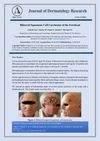
A 70-year-old man with skin cancer on both sides of his forehead was treated with surgery and cryotherapy, highlighting the need for early detection and prevention.