Menopause-related skin changes may increase fungal infections and inflammation.

The herbal shampoo with Harsinghar works better against dandruff than a commercial product.
 March 2025 in “GSC Biological and Pharmaceutical Sciences”
 Wood tar could be useful for skin care in dermatology and cosmetics.
 January 2025 in “bioRxiv (Cold Spring Harbor Laboratory)”
 Rhamnose may help hair growth and pigmentation, making it a potential treatment for hair loss.
 January 2025 in “Institutional Repositories DataBase (IRDB)”
 Maslinic acid from olive extracts promotes hair growth like minoxidil.
 December 2024 in “Texila international journal of public health”
 Trichoscopy effectively diagnoses and monitors cicatricial alopecias, reducing the need for biopsies.
 September 2024 in “The Professional Medical Journal”
 Infectious skin diseases like scabies and fungal infections are common but treatable in Lahore, especially in summer.
 July 2024 in “Egyptian Journal of Medical Human Genetics”
 These gene variations are not linked to alopecia areata in Egyptians.
 April 2024 in “International journal of women's health”
 Adult female acne is a complex condition that can worsen with menopause, requiring holistic treatment and tailored skincare at different life stages.
 January 2024 in “Journal of applied biological chemistry”
 Glehnia littoralis and Andrographis paniculata extracts can significantly boost hair growth.
 November 2023 in “Berkala Ilmu Kesehatan Kulit dan Kelamin/Berkala ilmu kesehatan kulit dan kelamin (Periodical of dermatology and venerology)”
 A dermoscope helps accurately tell apart Pityrosporum folliculitis and Acne vulgaris.
 October 2023 in “Journal of Medicine, University of Santo Tomas (JMUST Online)”
 Elderly patients frequently suffer from skin conditions, especially inflammatory ones, highlighting the need for better healthcare.
 September 2023 in “Journal of microbiology and biotechnology”
 A type of collagen helps hair grow by boosting cell growth and activating a specific hair growth pathway.
 August 2023 in “International journal of research in Ayurveda and pharmacy”
 Ayurveda can prevent hair fall and promote regrowth using herbs and lifestyle changes.
 June 2023 in “Livestock studies”
 The article concludes that understanding the molecular processes in hair follicle development can improve the quality of fibers like Angora and cashmere.
 June 2023 in “International journal of pharmaceutical quality assurance”
 Eclipta alba extract could be a promising natural treatment for hair loss.
 March 2023 in “Clinical, cosmetic and investigational dermatology”
 IL-33 is linked to hair follicle damage in psoriasis and could be a treatment target for hair loss in this condition.
 January 2023 in “Postępy Dermatologii i Alergologii”
 Azelaic acid treats acne, rosacea, and hyperpigmentation with minimal side effects.
 January 2023 in “International Journal of Research Publication and Reviews”
 Some herbal ingredients like linalool and tea tree oil have anti-dandruff properties and are safe for use in shampoos.
 January 2023 in “Åbo Akademi University Research Portal”
 Vimentin is crucial for wound healing, cell growth, and managing immune responses.
 January 2023 in “Kafkas üniversitesi veteriner fakültesi dergisi/Kafkas üniversitesi veteriner fakültesi dergisi”
 Seasonal changes affect gene activity linked to hair growth in Angora goats.
 November 2022 in “Research Square (Research Square)”
 Seasonal changes affect hair growth genes in Angora goats, possibly influencing mohair quality.

Vitamin D is crucial for skin health and managing skin diseases.

Researchers found a genetic link for hereditary hair loss but need more analysis to identify the exact gene.
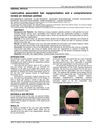
Lamivudine might reverse hair graying and needs more research for potential treatments.
 March 2021 in “bioRxiv (Cold Spring Harbor Laboratory)”
 Removing a specific gene in certain skin cells causes hair loss on the body by disrupting normal hair development.

Silk sericin dressing with collagen heals wounds faster and improves scar quality better than Bactigras.
 October 2020 in “Veterinary Dermatology”
 New treatments and diagnostic methods for various animal skin conditions showed promising results.
 September 2020 in “Research Square (Research Square)”
 Researchers found that certain RNA sequences play a role in yak hair growth and these sequences are somewhat similar to those in cashmere goats.

Human hair keratins can self-assemble and support cell growth, useful for biomedical applications.