189 citations
,
July 2009 in “The Journal of clinical investigation/The journal of clinical investigation” Epidermolysis bullosa simplex causes easily blistered skin due to faulty skin cell proteins, leading to new treatment ideas.
44 citations
,
January 2017 in “Journal of Investigative Dermatology” Mutations in the KLHL24 gene cause skin blistering in epidermolysis bullosa simplex.
40 citations
,
November 2021 in “International Journal of Molecular Sciences” Mutant keratins cause inflammation in Epidermolysis Bullosa Simplex, suggesting targeting them could help treat the disorder.
 39 citations
,
January 2015 in “Annals of dermatology/Annals of Dermatology”
39 citations
,
January 2015 in “Annals of dermatology/Annals of Dermatology” Three new types of a skin blistering disease were found, caused by specific gene mutations.
33 citations
,
October 2014 in “Veterinary Dermatology” Epidermolysis bullosa is a genetic disease causing fragile skin and blisters in both animals and humans.
 32 citations
,
April 2013 in “Anais Brasileiros de Dermatologia”
32 citations
,
April 2013 in “Anais Brasileiros de Dermatologia” The document concludes that inherited epidermolysis bullosa is a challenging genetic condition requiring multidisciplinary care and new treatments.
26 citations
,
June 2004 in “Clinical Genetics” The keratin 5 mutation in a family with epidermolysis bullosa simplex was due to mosaicism, not a new mutation.
22 citations
,
March 2023 in “Bioengineering” Stem cell therapies may help improve symptoms and quality of life for people with epidermolysis bullosa.
 21 citations
,
November 2009 in “Dermatologic Clinics”
21 citations
,
November 2009 in “Dermatologic Clinics” The document suggests that certain protein deficiencies and scalp blistering in Epidermolysis Bullosa may cause hair loss.
18 citations
,
January 2018 in “BMC dermatology” A new mutation in the PLEC gene causes a rare condition with skin blistering, muscle weakness, and hair loss.
15 citations
,
November 2009 in “Journal of Comparative Pathology” Epidermolysis bullosa in calves was not caused by mutations in the keratin genes bKRT5 and bKRT14.
14 citations
,
May 2017 in “Journal of Investigative Dermatology” A rare gene mutation causes skin fragility and itching without affecting hair or nails.
12 citations
,
May 2016 in “British Journal of Dermatology” A 6-year-old boy's skin condition improved after stopping a specific treatment and starting new medications.
 9 citations
,
July 2021 in “Dermatology and Therapy”
9 citations
,
July 2021 in “Dermatology and Therapy” New treatments for epidermolysis bullosa show promise in improving patients' lives, but a cure is still not available.
9 citations
,
August 2024 in “International Journal of Molecular Sciences” Promising treatments for EBS include anti-inflammatory drugs, antibiotics, creams, mTOR inhibitors, and gene editing, but more trials are needed.
7 citations
,
November 2020 in “Journal of Tissue Viability” Transplanting a person's own hair can heal chronic wounds in certain skin conditions.
 5 citations
,
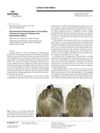
January 2015 in “Skin appendage disorders”
5 citations
,
January 2015 in “Skin appendage disorders” Colored hair-thickening fibers can help hide hair loss in some people with Epidermolysis Bullosa but may cause scalp irritation.
3 citations
,
July 2024 in “Frontiers in Medicine” Mutations in the KLHL24 gene cause a skin disorder in some Russian families.
3 citations
,
January 2020 in “The journal of investigative dermatology/Journal of investigative dermatology” Skin cells from people with Epidermolysis Bullosa Simplex have abnormally placed and less active mitochondria.
 3 citations
,
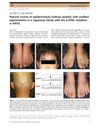
January 2019 in “Journal of Dermatology”
3 citations
,
January 2019 in “Journal of Dermatology” The p.P25L mutation in the KRT5 gene causes a rare skin condition that worsens over time and may lead to hair loss starting in young adulthood.
 2 citations
,
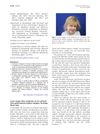
August 2012 in “Journal of the American Academy of Dermatology”
2 citations
,
August 2012 in “Journal of the American Academy of Dermatology” Two patients with the same genetic mutation had both blistering skin and easily pulled out hair.
1 citations
,
June 2023 in “Medicina” People with Epidermolysis bullosa have many health problems including poor oral health, which is often neglected due to other medical issues.
1 citations
,
April 2024 in “The Journal of Dermatology” Untreated epidermolysis bullosa acquisita can cause total hair and nail loss.
 1 citations
,
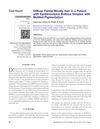
January 2014 in “International Journal of Trichology”
1 citations
,
January 2014 in “International Journal of Trichology” A patient with a rare hair condition and skin disorder showed hair improvement after treatment.
March 2025 in “Journal of Investigative Dermatology” Cannabinoids may help manage epidermolysis bullosa symptoms, but more research is needed.
 October 2023 in “Pediatric dermatology”
 Middle Eastern patients with epidermolysis bullosa show specific genetic mutations linked to different types of the disease.
 April 2023 in “Journal of Investigative Dermatology”
 The specific skin disease variant p.(Arg2000Trp) in plectin can cause a wide range of symptoms, which should be considered when diagnosing patients.
 July 2022 in “Dermatology practical & conceptual”
 Henna ointment may help reduce itching and improve wound healing in patients with epidermolysis bullosa.
 January 2020 in “Medical journal of clinical trials & case studies”
 A 37-year-old male with severe skin and internal issues has a rare inherited skin condition called dystrophic epidermolysis bullosa.
 June 2019 in “Pediatric Dermatology”
 Alopecia in patients with epidermolysis bullosa varies in severity and is often caused by skin blistering or trauma.