 January 2026 in “Biology”
 Androgenetic alopecia is influenced by multiple genes and pathways, with genetic risk varying by population, and personalized treatments are being explored.
July 2025 in “PNAS Nexus” A new tool accurately identifies human cornea cell states and key factors.
June 2020 in “Journal of Investigative Dermatology” The symposium highlighted the importance of genetics in understanding and treating complex skin diseases.
822 citations
,
January 2021 in “Genome biology” scMC effectively separates biological signals from technical noise in single-cell genomics data.
 6 citations
,
August 2022 in “Science immunology”
6 citations
,
August 2022 in “Science immunology” Foxn1 gene regulation is crucial for thymus development but not for hair growth.
 1 citations
,
April 2022 in “Regenerative Therapy”
1 citations
,
April 2022 in “Regenerative Therapy” Activating the GDNF-GFRα1-RET signaling pathway could potentially promote skin and limb regeneration in humans and could be used to treat hair loss and promote wound healing.
 179 citations
,
July 2016 in “Nature Reviews Molecular Cell Biology”
179 citations
,
July 2016 in “Nature Reviews Molecular Cell Biology” Epigenetic changes control how adult stem cells work and can lead to diseases like cancer if they go wrong.
48 citations
,
September 2011 in “British Journal of Dermatology” Epigenetic changes in blood cells may contribute to alopecia areata.
 20 citations
,
January 2013 in “Cell & Bioscience”
20 citations
,
January 2013 in “Cell & Bioscience” Understanding how epigenetic regulation affects stem cells is key to cancer insights and new treatments.
 19 citations
,
October 2017 in “The FASEB Journal”
19 citations
,
October 2017 in “The FASEB Journal” Male hormones cause different growth in identical human hair follicles due to their unique epigenetic characteristics.
 16 citations
,
March 2011 in “Dermatologic Therapy”
16 citations
,
March 2011 in “Dermatologic Therapy” Women with greater androgen sensitivity respond better to finasteride for hair loss.
9 citations
,
February 2022 in “Biomedicines” Testosterone treatment may change estrogen receptor methylation in AFAB individuals.
 8 citations
,
July 2018 in “Current Sexual Health Reports”
8 citations
,
July 2018 in “Current Sexual Health Reports” Finasteride can cause lasting sexual dysfunction, depression, and other side effects, needing more research for treatment.
6 citations
,
November 2022 in “Journal of Tissue Engineering and Regenerative Medicine” Zebularine improved skin structure but delayed wound healing in diabetic mice.
 5 citations
,
September 2015 in “PubMed”
5 citations
,
September 2015 in “PubMed” Epigenetic changes are crucial for stem cell behavior in skin wound healing and their disruption may lead to cancer.
 5 citations
,
September 2011 in “Cell stem cell”
5 citations
,
September 2011 in “Cell stem cell” Epigenetic changes are crucial for hair follicle stem cells to function properly.
4 citations
,
January 2022 in “Australasian Journal of Dermatology” Higher HDAC1 levels in alopecia areata suggest HDAC inhibitors might help treat it and acne.
 4 citations
,
February 2019 in “Journal of Cutaneous Pathology”
4 citations
,
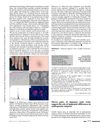
February 2019 in “Journal of Cutaneous Pathology” The marker 5-hmC changes in hair follicle stem cells when they start to grow.
 4 citations
,
January 2013 in “European Journal of Dermatology”
4 citations
,
January 2013 in “European Journal of Dermatology” Epigenetic differences affect hair loss in identical Japanese male twins.
 3 citations
,
July 2025 in “International Journal of Biological Sciences”
3 citations
,
July 2025 in “International Journal of Biological Sciences” m6A methylation is crucial for proper wound healing and tissue repair.
3 citations
,
October 2021 in “Indian Journal of Plastic Surgery” Pattern hair loss is mainly caused by genetics and hormones, with limited effective treatments available.
2 citations
,
May 2022 in “International journal of molecular sciences” Changes in KRT17 gene activity linked to wool production in Angora rabbits.
2 citations
,
June 2017 in “The journal of investigative dermatology/Journal of investigative dermatology” Epigenetic factors play a crucial role in skin health and disease.
2 citations
,
January 2015 in “Elsevier eBooks” Epigenetic changes contribute to autoimmune skin diseases.
 2 citations
,
August 2013 in “Journal of Investigative Dermatology”
2 citations
,
August 2013 in “Journal of Investigative Dermatology” Nuclear shape and chromatin changes affect gene expression in skin cell differentiation.
1 citations
,
October 2023 in “BMC Genomics” miRNAs in the Dlk1-Gtl2 region may improve lamb fur quality.
 1 citations
,
January 2021 in “Vide Leaf, Hyderabad eBooks”
1 citations
,
January 2021 in “Vide Leaf, Hyderabad eBooks” Altered DNA methylation may be a marker for Polycystic Ovary Syndrome.
 1 citations
,
January 2018 in “Stem cell biology and regenerative medicine”
1 citations
,
January 2018 in “Stem cell biology and regenerative medicine” DNA methylation is essential for skin and hair follicle development, and could be a target for treating skin diseases.
1 citations
,
July 2011 in “Hair transplant forum international” Epigenetic changes might protect occipital hair from male pattern baldness.
1 citations
,
January 2023 in “Pharmacophore” Tea compound EGCG may slow aging by affecting gene activity.