 23 citations
,
June 2003 in “Journal of Investigative Dermatology Symposium Proceedings”
23 citations
,
June 2003 in “Journal of Investigative Dermatology Symposium Proceedings” Alopecia Areata is an autoimmune disease affecting hair follicles, influenced by genetic and environmental factors, with rodent models being essential for research.
 11 citations
,
May 2021 in “Journal of Medical Virology”
11 citations
,
May 2021 in “Journal of Medical Virology” Men are more likely to have severe respiratory viral infections like COVID-19 due to hormonal and genetic differences, while women generally have stronger immune responses.
 7 citations
,
January 2017 in “American Journal of Biological Anthropology”
7 citations
,
January 2017 in “American Journal of Biological Anthropology” Sardinians were historically short due to a mix of genetics and factors like disease and poor nutrition, but recent height increases suggest better living conditions had a bigger impact.
 December 2024 in “Turkish Journal of Forensic Medicine”
 Next-Generation Sequencing improves forensic analysis by providing detailed genetic information quickly.
 April 2018 in “Journal of Investigative Dermatology”
 Different types of stem cells in the skin contribute to the variety of melanoma forms.
 December 2011 in “Asia-Pacific biotech news”
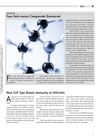
 In 2011, there were major scientific breakthroughs in cancer treatment, immunity, Parkinson's, virus simulation, schizophrenia, hair growth, lung cancer, and medical grafts.
 336 citations
,
August 2015 in “European Journal of Epidemiology”
336 citations
,
August 2015 in “European Journal of Epidemiology” The Rotterdam Study found risk factors for elderly diseases, links between lifestyle and genetics with health conditions, and aimed to explore new areas like DNA methylation and sensory input effects on brain function.
 89 citations
,
September 2010 in “Annual Review of Genomics and Human Genetics”
89 citations
,
September 2010 in “Annual Review of Genomics and Human Genetics” The document concludes that understanding the genes and pathways involved in hair growth is crucial for developing treatments for hair diseases.
 5 citations
,
May 2023 in “Frontiers in immunology”
5 citations
,
May 2023 in “Frontiers in immunology” Environmental factors like diet and vitamin levels, especially Vitamin D, can affect autoimmune diseases differently, with lifestyle changes potentially improving outcomes.
 October 2020 in “Veterinary Dermatology”
 New treatments and diagnostic methods for various animal skin conditions showed promising results.
 12 citations
,
August 2020 in “Annals of Oncology”
12 citations
,
August 2020 in “Annals of Oncology” Androgen deprivation therapy might be better for preventing COVID-19 than treating it.
5 citations
,
December 2022 in “Genes” Genetic differences affect how people respond to COVID-19.
January 2026 in “Immunological Reviews” Females generally have stronger immune responses than males due to the X chromosome.
16 citations
,
June 2019 in “Journal of Investigative Dermatology” miR-21 increases skin aging by reducing SATB1, affecting skin cell function.
 15 citations
,
April 2019 in “Best Practice & Research Clinical Endocrinology & Metabolism”
15 citations
,
April 2019 in “Best Practice & Research Clinical Endocrinology & Metabolism” Polycystic Ovary Syndrome (PCOS) in teenagers is a complex condition linked to genetics and environment, often associated with obesity and insulin resistance, and is treated with lifestyle changes and medication.
 1 citations
,
May 2023 in “European Journal of Human Genetics”
1 citations
,
May 2023 in “European Journal of Human Genetics” Rare ULBP3 gene changes may raise the risk of Alopecia areata, a certain FAS gene deletion could cause a dysfunctional protein in an immune disorder, and having one copy of a specific genetic deletion is okay, but two copies cause sickle cell disease.
September 2025 in “Frontiers in Immunology” Atopic dermatitis and alopecia areata share immune and genetic factors, and targeted therapies may help both.
 January 2026 in “Biology”
 Androgenetic alopecia is influenced by multiple genes and pathways, with genetic risk varying by population, and personalized treatments are being explored.
179 citations
,
November 2022 in “Frontiers in Plant Science” WRKY transcription factors help plants manage stress and support growth.
52 citations
,
August 2021 in “Microorganisms” Higher ACE2 levels in certain tissues may worsen COVID-19 in people with other health issues, especially older adults.
37 citations
,
November 2017 in “Medical Sciences” Melanoma's complexity requires personalized treatments due to key genetic mutations and tumor-initiating cells.
28 citations
,
February 2021 in “Open Forum Infectious Diseases” African Americans faced worse COVID-19 outcomes due to a mix of social, environmental, and biological factors.
 16 citations
,
December 2021 in “Frontiers in Endocrinology”
16 citations
,
December 2021 in “Frontiers in Endocrinology” Sex hormones may affect COVID-19 severity, with estrogen possibly reducing risk and testosterone potentially increasing it.
6 citations
,
September 2024 in “Journal of Clinical Medicine” Thyroid and skin autoimmune diseases share genetic and immune links, affecting both tissues.
5 citations
,
May 2022 in “Diagnostics” Certain genetic markers can indicate higher or lower risk for systemic lupus erythematosus.
 February 2026 in “NeuroSci”
 Finasteride and dutasteride may cause depression and anxiety, especially in younger men.
 December 2024 in “Archiv Euromedica”
 Early diagnosis and personalized treatment are crucial for managing PCOS and preventing complications.
June 2020 in “Journal of Investigative Dermatology” The symposium highlighted the importance of genetics in understanding and treating complex skin diseases.
 August 2026 in “Journal of Genome Biotechnology and Genetics”
 Human pigmentation is influenced by many genetic and environmental factors, affecting traits like skin, hair, and eye color, with implications for health and forensic applications.
 May 2022 in “Clinical Epigenetics”
 A mother's iron levels early in pregnancy can influence the DNA makeup of her child, potentially affecting the child's health.