July 2021 in “SBV Journal of Basic Clinical and Applied Health Science” Single-layer closure is as effective as multiple-layer closure, with shorter surgery time and lower cost.
 341 citations
,
November 2009 in “The FASEB Journal”
341 citations
,
November 2009 in “The FASEB Journal” Calreticulin has roles in healing, immune response, and disease beyond its known functions in the endoplasmic reticulum.
Rat hair follicle bulge cells can become nerve and glial cells, showing potential for neuroprotection.
1 citations
,
July 1991 in “PubMed” MRI can show unusual brain changes in adrenomyeloneuropathy.
8 citations
,
October 2024 in “Frontiers in Cell and Developmental Biology” Telocytes help organize male reproductive tissues and their changes can lead to diseases.
49 citations
,
March 1996 in “Experimental Brain Research” 4 citations
,
December 2014 in “Indian Journal of Dermatology” A rare skin condition with cysts was found on a 5-year-old boy's scalp.
 15 citations
,
May 2016 in “Die Pharmazie”
15 citations
,
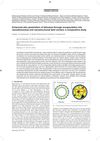
May 2016 in “Die Pharmazie” Nanostructured lipid carriers deliver lidocaine to the skin better than nanoethosomes.
1 citations
,
June 2015 in “Journal of anatomy” A compound named ZCZ90 can increase muscle spindle firing, potentially helping treat muscle spasms and hypertension.
November 2024 in “Comparative Biochemistry and Physiology Part D Genomics and Proteomics” Exosomes help hair follicle development in cashmere goats.
123 citations
,
November 2003 in “Neuroscience Letters” TRPV4 helps sense pressure in mouse skin.
16 citations
,
July 2008 in “BMC Genomics” Alpha 6 + /MHCI - cells have stem cell traits and are similar to mouse hair follicle stem cells.
121 citations
,
June 2009 in “Journal of Cellular Biochemistry” Human hair follicle stem cells can safely and effectively help nerve regeneration.
59 citations
,
August 1981 in “PubMed” Trichilemmal keratinization is a unique process in hair follicles where the outer root sheath turns into keratin without a specific layer.
 1 citations
,
March 2014 in “Applied Microscopy”
1 citations
,
March 2014 in “Applied Microscopy” CK19 and Vimentin are proteins found in rat skin that help with skin renewal and maintaining cell structure.
 2 citations
,
January 2019 in “Biomecánica”
2 citations
,
January 2019 in “Biomecánica” Hyaluronic acid and versican are important for skin healing and hair growth and might help in regenerative medicine.
January 2025 in “Indian Journal of Dermatopathology and Diagnostic Dermatology” Nevus sebaceous is identified by unique skin changes, including thickened skin, fewer hair follicles, and many sebaceous glands.
 7 citations
,
November 2017 in “Cureus”
7 citations
,
November 2017 in “Cureus” Ear creases might indicate heart disease risk, needing more research.
 82 citations
,
March 2016 in “Cell”
82 citations
,
March 2016 in “Cell” The conclusion is that tissue structure is key for stem cell communication and maintaining healthy tissues.
7 citations
,
January 2021 in “bioRxiv (Cold Spring Harbor Laboratory)” Skin cells control immune cell placement, helping the skin respond better to challenges.
 3 citations
,
July 2018 in “Biomedicine & pharmacotherapy”
3 citations
,
July 2018 in “Biomedicine & pharmacotherapy” Paeoniflorin protects brain cells by involving a specific protein and neurosteroids.
 June 2023 in “Italian Journal of Medicine”
 Urotensin II increases growth and VEGF production in rat skin cells by turning on the Wnt-β-catenin pathway.
12 citations
,
September 2013 in “BMC Biophysics” Keratin filaments' elasticity is influenced by their terminal domains and surrounding medium.
 1 citations
,
June 2022 in “Journal of Wrist Surgery”
1 citations
,
June 2022 in “Journal of Wrist Surgery” PRP is unlikely to effectively treat wrist ganglia.
 25 citations
,
March 2008 in “Surgical Neurology”
25 citations
,
March 2008 in “Surgical Neurology” New techniques for treating scalp blood vessel malformations are effective and can have good cosmetic results.
5 citations
,
January 2025 in “Nature Reviews Nephrology” January 2026 in “Advances in Clinical and Experimental Medicine” Regulatory T cells and mesenchymal stem cells work together to prevent immune system overreactions and tissue damage.
January 2016 in “Yanwaishang zhiye yanbing zazhi” Atropine and neosynephrine effectively prevent floppy iris syndrome during cataract surgery.
October 2025 in “International Journal of Molecular Sciences” Extracellular vesicles from mammary cells help heal skin wounds effectively.
 3 citations
,
April 2021 in “PLoS ONE”
3 citations
,
April 2021 in “PLoS ONE” Pulse electric fields can control the release of growth factors and serotonin from platelet-rich plasma, offering a tailored approach to wound healing.