1 citations
,
December 2012 in “Journal of Dermatological Science” FGF18 controls hair growth rest phase.
1 citations
,
November 2012 in “European Journal of Cell Biology” The authors clarified data overlap and corrected a figure error, apologizing for any confusion.
 April 2026 in “Frontiers in Cell and Developmental Biology”
 Hair follicles in mice help detect and respond to germs.

Hair follicle-derived sheets can effectively treat vitiligo by repigmenting skin.
The skin can still regenerate and function well even with fewer fibroblasts.
November 2025 in “Biomedicine & Pharmacotherapy” Calcium blockers may help prevent hearing loss by protecting hair cells.
 August 2021 in “Annals of pathology and laboratory medicine”
 Most skin tumors in the study were benign, with squamous cell carcinoma being the most common malignant type.
 September 2019 in “Journal of Investigative Dermatology”
 Apple stem cell extract may increase the number of stem cells in a part of the hair follicle.
July 2019 in “Cancer Research” Bone marrow and hair follicle cells help form skin tumors, suggesting new treatment targets.
July 2019 in “Tumor Biology” Bone marrow-derived cells contribute to skin tumors, suggesting new treatment targets for non-melanoma skin cancers.
January 2019 in “Advances in stem cells and their niches” Krox20 is important for cell differentiation in the brain and hair follicles.
April 2018 in “Plastic & Reconstructive Surgery Global Open” LGR6+ stem cells may improve bone healing.
Hair follicles supply a crucial brain development protein to the brain via platelets.
 June 2013 in “Faculty Opinions – Post-Publication Peer Review of the Biomedical Literature”
 Wnt ligand secretion by hair follicle cells is essential for hair growth and repair.
August 2012 in “Faculty Opinions – Post-Publication Peer Review of the Biomedical Literature” FGF18 controls hair cycle rest and growth phases.
January 1997 in “Han-guk hyeonmigyeong hakoeji/Applied microscopy” The hair follicle's connection to connective tissue is weaker than the skin's.
 91 citations
,
May 2003 in “American Journal of Pathology”
91 citations
,
May 2003 in “American Journal of Pathology” Prolactin affects hair growth cycles and can cause early hair follicle regression.
35 citations
,
October 2013 in “Journal of Dermatological Science” VEGF165 influences hair follicle cell growth and movement through VEGFR-2 activation.
12 citations
,
January 1991 in “Acta Dermato Venereologica” Basal cell epithelioma-like changes are most similar to normal basal cells.
8 citations
,
August 1987 in “The Journal of Dermatology” BKN-1 antibody targets specific keratin in basal cell epithelioma and normal skin basal cells.
 6 citations
,
July 2009 in “Veterinary dermatology”
6 citations
,
July 2009 in “Veterinary dermatology” Vesiculobullous lesions should be considered part of canine cutaneous epitheliotropic T-cell lymphoma.
 4 citations
,
January 2017 in “Ciência Rural”
4 citations
,
January 2017 in “Ciência Rural” A horse in Brazil with skin and gut issues was diagnosed with a severe disease and had to be euthanized.
 January 2024 in “Brazilian Journal of Veterinary Pathology”
 The horse had a rare disease causing weight loss and skin issues, leading to euthanasia due to poor treatment options.
The balance between cell renewal and differentiation controls the growth of cancerous cells in mouse skin.
 May 2020 in “Research Square (Research Square)”
 Human stem cells can turn into functional eye cells that might help treat retinal diseases.
April 2019 in “The journal of investigative dermatology/Journal of investigative dermatology” A synthetic sandalwood odorant can boost antimicrobial production in hair follicles, making them more resistant to bacteria.
January 2016 in “eScholarship (California Digital Library)” HBCs in the olfactory epithelium can self-renew or differentiate into other cell types, with specific patterns during regeneration.
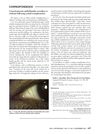 December 2012 in “Canadian journal of ophthalmology”
 Eyelash transplantation can cause eye damage and pain if not done carefully.
88 citations
,
June 2000 in “Journal of Investigative Dermatology” Keratin 17 is important for hair and nail structure and affects pachyonychia congenita symptoms.
87 citations
,
November 2002 in “Journal of Investigative Dermatology”