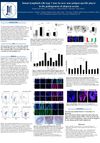
Innate lymphoid cells type 1 may contribute to alopecia areata by damaging hair follicles.
 August 2001 in “Veterinary Dermatology”
 The meeting presented findings on effective treatments for various pet skin conditions and insights into the immune responses of dogs with atopic dermatitis.
 33 citations
,
February 2019 in “Journal of Tissue Engineering and Regenerative Medicine”
33 citations
,
February 2019 in “Journal of Tissue Engineering and Regenerative Medicine” Platelet-Rich Plasma (PRP) shows promise for treating various skin conditions, but more research is needed to standardize its use.
 January 2019 in “Advances in stem cells and their niches”
 Skin health and repair depend on the signals between skin stem cells and their surrounding cells.
 January 2024 in “International Journal of Trichology”
 Human platelet-rich plasma is better than fetal bovine serum for growing cells that help hair regrow.
 1 citations
,
February 2023 in “ACS Biomaterials Science & Engineering”
1 citations
,
February 2023 in “ACS Biomaterials Science & Engineering” The new microwell device helps grow more hair stem cells that can regenerate hair.
August 2005 in “The Journal of Cell Biology” Sgk3 kinase is essential for normal hair growth in mice.
161 citations
,
August 2012 in “Seminars in cell & developmental biology” Hair growth and development are controlled by specific signaling pathways.
3 citations
,
January 2023 in “JEADV Clinical Practice” IL-17 is more important than IFN-γ in causing severe hair loss in chronic alopecia areata.
92 citations
,
December 2005 in “The Journal of clinical investigation/The journal of clinical investigation” Human hair follicle stem cells can be isolated using specific markers for potential therapeutic use.
13 citations
,
January 2021 in “Journal of Cellular and Molecular Medicine” Thymosin β4 may boost hair growth by aiding stem cell movement and blood vessel formation.
 5 citations
,
September 2021 in “Frontiers in Cell and Developmental Biology”
5 citations
,
September 2021 in “Frontiers in Cell and Developmental Biology” Dihydrotestosterone treatment on 2D and 3D-cultured skin cells slows down hair growth by affecting certain genes and could be a potential target for hair loss treatment.
July 2025 in “International Journal of Trichology” Biological factors are crucial for developing new hair restoration treatments.
January 2019 in “Deleted Journal” Biofield Energy Healing may promote hair growth and treat skin disorders by enhancing hair follicle development.
87 citations
,
February 2000 in “Journal of Investigative Dermatology” Stem cells in developing hair follicles move to specific areas as they mature.
17 citations
,
July 2019 in “Lupus Science & Medicine” Plucked hair follicles can help diagnose scalp lupus.
4 citations
,
January 2024 in “The Scientific World JOURNAL” Understanding hair follicle development helps create treatments for hair loss and improve hair health.
9 citations
,
February 2001 in “Journal of Dermatological Science” p21waf1/cip1 and p27kip1 help in hair follicle differentiation in rats.
26 citations
,
January 2018 in “Annals of dermatology/Annals of Dermatology” Hair graying may be caused by stem cell depletion from stress or melanocyte damage.
134 citations
,
July 2020 in “Experimental dermatology” Hair follicles are normally protected from the immune system, but when this protection fails, it can cause hair loss in alopecia areata.
December 2025 in “Experimental Dermatology” Improving blood vessel health and controlling uric acid may help manage alopecia areata.
8 citations
,
March 2009 in “Differentiation” Adult vibrissa follicle stem cells can regenerate hair follicles, glands, and skin.
 184 citations
,
November 2014 in “Developmental Cell”
184 citations
,
November 2014 in “Developmental Cell” Hair follicle dermal stem cells are key for regenerating parts of the hair follicle and determining hair type.
55 citations
,
March 2010 in “Aging” Circadian clock genes are important for hair growth and may affect aging-related hair loss and graying.
 3 citations
,
March 2023 in “Scientific Reports”
3 citations
,
March 2023 in “Scientific Reports” Researchers developed a new method to test hair growth drugs and found that adult cells are best for hair growth, but the method needs improvement as it didn't create mature hair follicles.
 1 citations
,
January 2020 in “PubMed”
1 citations
,
January 2020 in “PubMed” Azelaic acid helps protect hair cells from UV damage and encourages hair growth by increasing certain gene expressions and proteins.
 April 2026 in “Journal of Inflammation Research”
 Alopecia areata and atopic dermatitis share immune system issues, and treatments like JAK inhibitors can help both.
 March 2025 in “Frontiers in Veterinary Science”
 Changing light exposure boosts hormone levels and antioxidant activity, improving cashmere growth in goats.
 222 citations
,
August 2009 in “Experimental Dermatology”
222 citations
,
August 2009 in “Experimental Dermatology” Stem cells are crucial for wound healing and understanding their role could lead to new treatments, but more research is needed to answer unresolved questions.
 147 citations
,
September 2006 in “Developmental Cell”
147 citations
,
September 2006 in “Developmental Cell” Too much Smad7 changes skin and hair development by breaking down a protein called β-catenin, leading to more oil glands and fewer hair follicles.