 6 citations
,
January 2016 in “Methods in molecular biology”
6 citations
,
January 2016 in “Methods in molecular biology” Scientists have developed a new method using stem cells to grow and transplant hair follicles, which could be useful for hair regeneration treatments.
 2 citations
,
January 2015 in “Nihon Rinshō Men'eki Gakkai kaishi”
2 citations
,
January 2015 in “Nihon Rinshō Men'eki Gakkai kaishi” Scientists developed a method to regenerate salivary glands using stem cells.
1 citations
,
May 2022 in “International journal of molecular sciences” Faulty LEF1 activation causes faster skin cell differentiation in premature aging syndrome.
 April 2017 in “Journal of Investigative Dermatology”
 Dermal Wnt/β-catenin signaling is important for the proper size and development of hair follicles.
December 2004 in “PLoS ONE” The Foxn1(-/-) phenotype disrupts hair growth and affects skin stem cells.
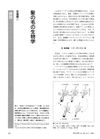 January 1998 in “KAGAKU TO SEIBUTSU”
 The document suggests that male hormones likely affect hair growth and baldness, and future treatments might involve stem cells and androgen-independent cells.
 July 2022 in “Biomedicines”
 4-Aminopyridine improves skin wound healing and tissue regeneration by increasing cell growth and promoting nerve repair.
 April 2018 in “Journal of Investigative Dermatology”
 A new treatment using AGED to modulate PPAR-γ shows promise for treating scarring hair loss by protecting and repairing hair follicle cells.
 November 2015 in “European Journal of Inflammation”
 Cicatricial alopecia, a permanent hair loss condition, is mainly caused by damage to specific hair follicle stem cells and abnormal immune responses, with gene regulator PPAR-y and lipid metabolism disorders playing significant roles.
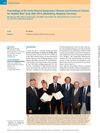 September 2014 in “Aktuelle Dermatologie”
 The symposium concluded that environmental factors significantly contribute to skin aging.
 108 citations
,
November 1980 in “British Journal of Dermatology”
108 citations
,
November 1980 in “British Journal of Dermatology” Oral retinoids are effective for various skin conditions but have side effects and should not be used during pregnancy.
 41 citations
,
September 2012 in “Cellular and Molecular Life Sciences”
41 citations
,
September 2012 in “Cellular and Molecular Life Sciences” MicroRNAs play a crucial role in skin and hair health, affecting everything from growth to aging, and could potentially be used in treating skin diseases.
 19 citations
,
January 2021 in “Experimental dermatology”
19 citations
,
January 2021 in “Experimental dermatology” Acne inversa is an epithelial-driven disease where inflammation is caused by cyst rupture, and treatments should focus on preventing tendril growth for better results.
January 2006 in “Durham e-Theses (Durham University)” Id proteins, especially Id2 and Id3, are crucial for hair follicle development and stem cell regulation.
 September 2021 in “CRC Press eBooks”
 Lichen planopilaris causes permanent hair loss and scarring due to damage to hair follicles and can be mistaken for other hair loss conditions.
 55 citations
,
November 2004 in “Expert opinion on drug safety”
55 citations
,
November 2004 in “Expert opinion on drug safety” Chemotherapy often causes hair loss, nail changes, and mouth issues, but these are usually manageable.
47 citations
,
January 1998 in “Molecular Carcinogenesis” ErbB2 signaling is crucial for skin cell growth and cancer development in mice.
 36 citations
,
July 2014 in “Experimental Dermatology”
36 citations
,
July 2014 in “Experimental Dermatology” Skin and hair can regenerate after injury due to changes in gene activity, with potential links to how cancer spreads. Future research should focus on how new hair follicles form and the processes that trigger their creation.
 32 citations
,
March 2014 in “PLOS ONE”
32 citations
,
March 2014 in “PLOS ONE” Mice lacking fibromodulin have disrupted healing patterns, leading to abnormal skin repair and scarring.
29 citations
,
July 1993 in “The journal of investigative dermatology/Journal of investigative dermatology” Hair follicle development involves complex interactions between skin layers and cells, but many details are still unknown.
28 citations
,
March 2014 in “Biological reviews/Biological reviews of the Cambridge Philosophical Society” The document concludes that hair curvature can be explained by the growth patterns caused by the shape and separation of cells in the hair follicle and is affected by specific molecular pathways.
18 citations
,
January 2018 in “Advances in experimental medicine and biology” Hair keratins evolved from ancient proteins, diversifying through gene changes, crucial for forming claws and later hair in mammals.
 10 citations
,
August 2023 in “Developmental cell”
10 citations
,
August 2023 in “Developmental cell” The research maps the complex development of early mouse skin, identifying diverse cell types and their roles in forming skin layers and structures.
8 citations
,
January 2017 in “Journal of Oral and Maxillofacial Pathology” Keratoacanthomas on lips may originate differently than those on skin.
 7 citations
,
January 2013 in “Journal of Investigative Dermatology”
7 citations
,
January 2013 in “Journal of Investigative Dermatology” Vitamin A may influence hair loss conditions like alopecia, but more research is needed to understand how.
6 citations
,
January 2019 in “Biochemical and Biophysical Research Communications” Sox13 is a useful marker for early hair follicle development but not essential for hair growth.
2 citations
,
December 2011 in “[Thesis]. Manchester, UK: The University of Manchester; 2011.” Immune system failure in hair follicles causes lichen planopilaris, leading to hair loss.
1 citations
,
January 2013 Glucosylceramides are essential for healthy skin and proper wound healing.
 1 citations
,
May 2004 in “Journal der Deutschen Dermatologischen Gesellschaft”
1 citations
,
May 2004 in “Journal der Deutschen Dermatologischen Gesellschaft” The meeting presented new findings on hair stem cells, pigmentation, genetics, and modern hair treatment techniques.
 March 2026 in “Zenodo (CERN European Organization for Nuclear Research)”
 Regenerative therapies could help treat hair loss in androgenetic alopecia.