 June 2026 in “Frontiers in Materials”
 Smart hydrogel dressings can improve healing for severe wounds by mimicking natural tissue and delivering treatments.
 May 2026 in “Frontiers in Cell and Developmental Biology”
 Hair follicle organoids can help study hair biology and disorders but need improvements for wider use.
 May 2026 in “Organoid Research”
 Hydrogel-based methods improve skin organoid development for medical and research applications.
 April 2026 in “Microsystems & Nanoengineering”
 HA-gel-dex hydrogels help heal wounds and regenerate tissue effectively.
 March 2026 in “Trends in Sciences”
 PRF and CGF are becoming more popular than PRP in regenerative medicine due to their simplicity and lack of additives.
 December 2025 in “Academic Journal of Science and Technology”
 Mesenchymal stem cells can effectively aid skin healing and anti-aging.
 December 2025 in “Frontiers in Veterinary Science”
 Liaoning cashmere goats grow more cashmere by boosting fat production, supporting hair structure, and controlling inflammation.
 November 2025 in “Frontiers in Cell and Developmental Biology”
 The study maps goat hair follicle cells, revealing key genes and pathways involved in hair growth and cell death.
Cellular flows and tissue mechanics guide feather follicle formation in birds.
 September 2025 in “Frontiers in Cell and Developmental Biology”
 Retinoic acid may help heal skin without scars by reducing fibrosis and supporting skin regeneration.

Transplanting cultured skin sheets improved acne scars in four patients.
ARHGEF3 is essential for proper hair follicle development.
 June 2024 in “Research Square (Research Square)”
 Jagged-1 in skin Tregs is crucial for timely wound healing by recruiting specific immune cells.
 March 2024 in “Advanced science”
 A new hydrogel made from human cells improves wound healing by working with immune cells to promote repair.
 February 2024 in “Journal of Dermatological Science”
 Curved hair can develop when hair cells merge abnormally during growth.
 December 2023 in “bioRxiv (Cold Spring Harbor Laboratory)”
 Aged individuals heal wounds less effectively due to specific immune cell issues.
 August 2023 in “Scientific reports”
 Human stem cells were turned into cells similar to those that help grow hair and showed potential for hair follicle formation.
 June 2023 in “SPIRE - Sciences Po Institutional REpository”
 Extracellular vesicles and androgen receptors may help identify prostate cancer resistance and reduce SARS-CoV-2 infection.

The research identified key molecules that help hair matrix and dermal papilla cells communicate and influence hair growth in cashmere goats.
 May 2023 in “Journal of Endocrinology and Reproduction”
 Blocking cholesterol production may help control hair loss in Primary Cicatricial Alopecia by affecting key regulators.
 January 2023 in “Theranostics”
 Mechanical force is important for the first contact between skin cells and hair growth in mini-organs.
 May 2021 in “GSC Advanced Research and Reviews”
 Hair color is influenced by genetics and can indicate certain health conditions.
 May 2021 in “Histochemistry and Cell Biology”
 The May issue discussed publishing agreements and four studies on cholesterol in hair, cancer cell changes, hormones in the uterus, and skin protein effects.
 April 2021 in “Journal of Investigative Dermatology”
 Bacteria can help skin regenerate through a process called IL-1β signaling.
 April 2021 in “Journal of Investigative Dermatology”
 Leontopodium alpinum extract may help reduce hair shedding by keeping hair in the growth phase longer.
 September 2020 in “bioRxiv (Cold Spring Harbor Laboratory)”
 Different fish use the same genes to regrow teeth.
 May 2020 in “bioRxiv (Cold Spring Harbor Laboratory)”
 The study found that certain genes are important for hedgehog skin appendage development and immunity, with spines possibly evolving for protection and infection resistance.
 June 2018 in “Biomedical Journal of Scientific & Technical Research”
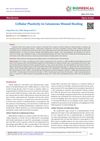
 Cells can change to help heal wounds better.
 April 2018 in “D-Scholarship@Pitt (University of Pittsburgh)”
 Keratin-75 is secreted by ameloblasts in a unique way without a signal peptide.
 April 2018 in “The journal of investigative dermatology/Journal of investigative dermatology”
 Aging causes changes in scalp cells that can negatively affect hair health.