July 2026 in “Journal of the American Academy of Dermatology” Most young patients found oral minoxidil helpful for hair loss and were willing to continue using it.
 March 2025 in “Journal of Dermatological Treatment”
 Temporary hair shedding after minoxidil use may indicate effective treatment.
 February 2024 in “Scientific Reports”
 Topical minoxidil and dietary supplements improved hair regrowth in children with hair loss from chemotherapy.
 January 2017 in “Faculty Opinions – Post-Publication Peer Review of the Biomedical Literature”
 60% of women who didn't respond to 5% minoxidil for hair loss showed significant improvement with a 15% minoxidil solution.
 37 citations
,
October 2009 in “Dermatology”
37 citations
,
October 2009 in “Dermatology” Minoxidil stimulates hair growth by increasing hair thickness and prolonging growth phase.
1 citations
,
January 2011 in “Journal of the American Academy of Dermatology” The combination of minoxidil and cyclosporine improved hair growth in short anagen syndrome.
 20 citations
,
March 1994 in “Clinical and Experimental Dermatology”
20 citations
,
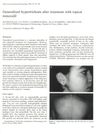
March 1994 in “Clinical and Experimental Dermatology” Too much topical minoxidil can cause excessive hair growth, but stopping treatment reverses it.
 January 2022 in “Cosmoderma”
 Using oral minoxidil and dutasteride together can quickly increase hair growth and volume with minimal side effects.
 5 citations
,
August 2021 in “Journal of The European Academy of Dermatology and Venereology”
5 citations
,
August 2021 in “Journal of The European Academy of Dermatology and Venereology” Sublingual minoxidil safely promotes hair growth.
 June 2023 in “Skin Research and Technology”
 Using platelet-rich plasma injections and 5% minoxidil topically can safely and effectively treat mild-to-moderate male pattern baldness.
6 citations
,
February 2018 in “PubMed” Minoxidil helps hair growth by promoting stem cell differentiation through increased ATP synthase activity.
4 citations
,
October 2021 in “Journal of The European Academy of Dermatology and Venereology” Low-dose oral minoxidil increases hair density and thickness in people with hair loss.
 March 2025 in “Archives of Dermatological Research”
 Combined microneedling with minoxidil improves hair growth more than minoxidil alone but may cause mild side effects.
12 citations
,
October 2001 in “Journal of the American Academy of Dermatology” Topical 5% minoxidil lacks strong evidence for treating alopecia areata.
January 2017 in “Faculty of 1000 Research Ltd” Oral minoxidil significantly reduces hair shedding in women with chronic telogen effluvium.
 3 citations
,
January 2018
3 citations
,
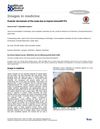
January 2018 A woman had an unusual allergic reaction to a hair loss treatment, which cleared up after stopping the treatment and using a different medication.
 1 citations
,
April 2017 in “Journal of Investigative Dermatology”
1 citations
,
April 2017 in “Journal of Investigative Dermatology” Higher minoxidil dose helps hair growth in non-responders without side effects.
3 citations
,
January 1987 in “Archives of Dermatology” Most dermatologists prescribed topical minoxidil for hair loss, with few reporting complications.

Combining Minoxidil with topical Dutasteride via microneedling is the most effective and safe treatment for hair loss.
 1 citations
,
May 1983 in “Acta dermato-venereologica”
1 citations
,
May 1983 in “Acta dermato-venereologica” Minoxidil caused hair regrowth, but cyproterone acetate did not maintain it.
 April 2016 in “Journal of Investigative Dermatology” January 2025 in “Mansoura Medical Journal”
 Minoxidil is more effective than cetirizine for treating male hair loss.
April 2016 in “Journal of the American Academy of Dermatology” January 2021 in “Asian Journal of Research in Dermatological Science” January 2022 in “International Journal of Trichology” Using both PRP and minoxidil together works better for treating hair loss in men than using either one alone.
June 1986 in “Journal of the American Academy of Dermatology” Topical minoxidil showed promise for early male pattern baldness.
 September 2023 in “Archives of Dermatological Research”
 Using minoxidil with microneedling increases hair count for hair loss without serious side effects.
January 2002 in “Journal of Clinical Dermatology” Minoxidil boosts hair growth at low doses but slows it at high doses.
 September 2025 in “Journal of the American Academy of Dermatology”
 Combining topical finasteride with minoxidil significantly improves hair density in treating hair loss.
October 2019 in “UNESP Institutional Repository (São Paulo State University)” Minoxidil is more effective than biotin for increasing nail growth rate.