 December 2023 in “Journal of Ayub Medical College Abbottabad”
 Ritlecitinib effectively treats alopecia areata in patients 12 and older with fewer side effects.
 June 2026 in “Current Oncology Reports”
 Sacituzumab Tirumotecan shows promise in treating gynecologic cancers with manageable side effects.
Baricitinib works better than methotrexate for severe alopecia areata.
188 citations
,
October 2014 in “Thyroid” Dabrafenib was effective and well tolerated in treating thyroid cancer with a specific mutation.
74 citations
,
February 2018 in “Journal of the American Academy of Dermatology” 33 citations
,
May 2017 in “Journal of Clinical Oncology” ETC-159 was safe up to 30 mg, but no tumor shrinkage was seen.
3 citations
,
July 2025 in “Clinical and Experimental Dermatology” Ritlecitinib may be more effective for severe alopecia areata than conventional treatments.
 65 citations
,
February 2015 in “Neuro-Oncology”
65 citations
,
February 2015 in “Neuro-Oncology” Alisertib was found to be an effective and tolerable treatment for children with recurrent brain tumors.
20 citations
,
December 2021 in “Journal of the American Academy of Dermatology” Continuous treatment with ritlecitinib and brepocitinib is needed to maintain hair regrowth in alopecia areata.
January 1975 in “NJEA Review” The drug showed promise in treating renal cell carcinoma with manageable side effects.
 1 citations
,
May 2025 in “The Journal of Rheumatology”
1 citations
,
May 2025 in “The Journal of Rheumatology” Upadacitinib may help treat difficult cases of systemic lupus erythematosus.
 April 2016 in “Journal of Investigative Dermatology”
 Mefloquine, an antimalarial drug, is effective in killing melanoma cells resistant to other treatments by causing lethal stress in the cells.
 April 2024 in “Frontiers in pharmacology”
 Brepocitinib 30mg is most effective for moderate-to-severe alopecia areata, but ritlecitinib 50mg may offer a better balance of safety and effectiveness.
May 2025 in “CPT Pharmacometrics & Systems Pharmacology” A 50 mg non-loading dose of ritlecitinib is safe for adults and adolescents.
2 citations
,
September 2024 in “PLoS ONE” Bendamustine combined with tucidinostat may effectively treat adult T-cell leukemia.
21 citations
,
November 2018 in “Journal of the European Academy of Dermatology and Venereology” The combination of encorafenib and binimetinib caused few skin issues.
June 2005 in “Journal of Investigative Dermatology” A bull with a gene mutation was asymptomatic, synthetic retinoids cause hair loss, and new therapeutic targets were identified for skin diseases.
 June 2025 in “BMJ Case Reports”
 Axitinib treatment turned a man's grey hair back to black.
October 2025 in “Figshare” Deuruxolitinib improves hair regrowth in alopecia areata but needs more safety research.
 15 citations
,
January 2024 in “The AAPS Journal”
15 citations
,
January 2024 in “The AAPS Journal” 50-mg ritlecitinib capsules are bioequivalent to 100-mg capsules.
 June 2026 in “Journal of health economics and outcomes research”
 Ritlecitinib is more effective and cheaper than baricitinib for treating severe alopecia areata.
5 citations
,
April 2016 in “PubMed” Cetuximab often causes skin problems, but they can be managed without stopping treatment.
 36 citations
,
June 2014 in “Experimental Neurology”
36 citations
,
June 2014 in “Experimental Neurology” Teriflunomide is an effective and generally safe oral treatment for relapsing MS, reducing relapses and slowing disability progression.
4 citations
,
April 2024 in “Journal of Drugs in Dermatology” Ruxolitinib cream may help treat severe hair loss in children.
 December 2025 in “Dermatology Reports”
 Topical ruxolitinib quickly improves non-segmental vitiligo.
2 citations
,
September 2023 in “Journal of the American Academy of Dermatology” CTP-543 effectively promotes hair regrowth in adults with moderate to severe alopecia areata.
30 citations
,
March 2007 in “Expert opinion on drug safety” Cetuximab often causes skin rashes, and managing these is important for cancer treatment.
 January 2016 in “대한피부과학회지”
 Bortezomib chemotherapy can cause temporary skin rashes.
October 2025 in “Figshare” Deuruxolitinib effectively treats alopecia areata but may cause manageable side effects.
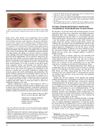 16 citations
,
August 2011 in “Annals of Allergy Asthma & Immunology”
16 citations
,
August 2011 in “Annals of Allergy Asthma & Immunology” A woman with severe angioedema improved significantly after treatment with rituximab.