Search
for
Sort by
Research
90-120 / 1000+ results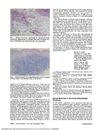
research Dermal Mucinosis in the Eosinophilia-Myalgia Syndrome
A woman with EMS showed unusual skin mucinosis without the typical hard skin syndrome, suggesting EMS can cause skin mucinosis.
research N-Acyl arylsulfonamides as novel, reversible inhibitors of human steroid sulfatase
Scientists found new, better-working inhibitors for a hormone-related enzyme.
research Effect of estrogens on skin aging and the potential role of selective estrogen receptor modulators
Estrogens and SERMs can help with skin aging, but their safety and effectiveness need more research.
research Mesenchymal stem cells and their secretome - candidates for safe and effective therapy for systemic lupus erythematosus
Mesenchymal stem cells and their secretome may offer a safe and effective treatment for systemic lupus erythematosus.
research Effect of estrogens on skin aging and the potential role of SERMs
Estrogens help reduce skin aging, and SERMs might offer similar benefits without the risks of hormone therapy.
research Celsr1 and Celsr2 exhibit distinct adhesive interactions and contributions to planar cell polarity
Celsr1 is crucial for skin cell alignment, while Celsr2 has little effect on this process.
research Differences in Human Skin Between the Epidermal Growth Factor Receptor Distribution Detected by EGF Binding and Monoclonal Antibody Recognition
research CLED: A Calcium-Linked Protein Associated with Early Epithelial Differentiation

research Sequence-structure based phylogeny of GPCR Class A Rhodopsin receptors
The research found how GPCR Class A Rhodopsin receptors are related and suggested possible substances they interact with.

research A phosphoinositide-mediated switch of GET pathway receptor dimerization in Arabidopsis
Phospholipids help plant proteins move by regulating receptor interactions.
research Therapeutic potential of Asiaticoside in wound healing after endoscopic submucosal dissection (ESD)
Asiaticoside can improve wound healing after ESD by promoting tissue repair and reducing inflammation.
research Electronic States of Epigallocatechin-3-Gallate in Water and in 1,2-dipalmitoyl-sn-glycero-3-phospho-(1′-rac-glycerol) (Sodium Salt) Liposomes
EGCG shows strong electron transfer interactions when bonded to DPPG lipids.
research Generating Disulfides in Multicellular Organisms: Emerging Roles for a New Flavoprotein Family
QSOX enzymes help form protein bonds in cells, especially in tissues with high secretory activity.
research Health benefits attributed to 17α-estradiol, a lifespan-extending compound, are mediated through estrogen receptor α
17α-estradiol extends lifespan and improves metabolism in male mice through the estrogen receptor α.
research Selective Modulation of Hedgehog/GLI Target Gene Expression by Epidermal Growth Factor Signaling in Human Keratinocytes
EGF signaling affects gene expression in skin cells, influencing hair growth and potentially cancer.

research 494 Epidermolysis bullosa pruriginosa, muscular dystrophy, and immune-mediated myasthenia gravis in a patient with homozygous nonsense PLEC mutation
A patient with a PLEC mutation has epidermolysis bullosa, muscular dystrophy, and myasthenia gravis, which improved with steroid treatment.
research Expression of Wnt Genes in Echinaster Sepositus Arm Regeneration
Wnt genes help starfish regrow arms by aiding wound healing and cell development.
research Design, Synthesis and Anxiolytic Activity Evaluation of N-Acyltryptophanyl- Containing Dipeptides, Potential TSPO Ligands#
The compound GD-23 may reduce anxiety like diazepam by targeting the TSPO receptor.

research KOMÓRKI VSELs KLUCZEM DO DŁUGOWIECZNOŚCI
VSELs may hold the key to longer life through regenerative therapies.
research Solubilizing steroidal drugs by β-cyclodextrin derivatives
Using β-cyclodextrin derivatives improves the solubility and bioavailability of steroidal drugs.

research LPA3, a unique G protein-coupled receptor for lysophosphatidic acid
LPA3 is crucial for embryo implantation and links LPA to prostaglandin signaling.
research Decision letter: Intercellular propagation of extracellular signal-regulated kinase activation revealed by in vivo imaging of mouse skin
ERK activation spreads between cells in mouse skin, linked to cell division and influenced by TPA and EGF receptors.
research Lgr6+ cells in the biological system during homeostasis and injury
Lgr6+ cells are important for tissue repair and could be a target for treating cancer and other diseases.
research Subcellular localization of the five members of the human steroid 5α-reductase family
All five human steroid 5α-reductase enzymes are found in the endoplasmic reticulum.
research Lysophosphatidic acid increases the proliferation and migration of adipose-derived stem cells via the generation of reactive oxygen species
Lysophosphatidic acid boosts stem cell growth and movement by creating reactive oxygen species.
research Sesn2/AMPK/mTOR signaling mediates balance between survival and apoptosis in sensory hair cells under stress
Sesn2 protects inner ear hair cells from damage by regulating certain cell survival pathways.
research PROTACs: A novel strategy for cancer drug discovery and development
PROTAC technology shows promise for cancer treatment but needs more effective E3 ligase recruiters.
research Non-canonical Wnt signaling promotes directed migration of intestinal stem cells to sites of injury.
Special gut cells help stem cells move to and fix injured areas by activating a specific signaling pathway.
research Synaptic‐like vesicles and candidate transduction channels in mechanosensory terminals
SLVs help maintain muscle stretch sensitivity and could aid in treating hypertension and muscle spasticity.